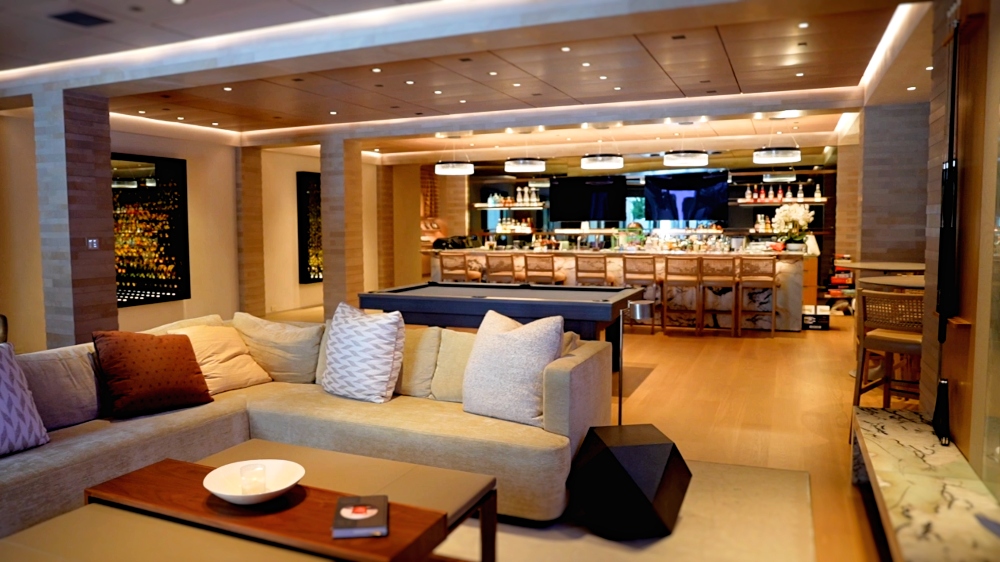
Set in Palo Alto, California, the Tran Residence was designed as a retirement home and entertainment hub, making it a specific and demanding project in terms of the technology AudioVisions was trusted to integrate. The fact that the project began in 2020 meant that it also had to contend with the usual stressors associated with the COVID-19 pandemic.
Inside the design process of a smart home built for retirement
Roughly 90% of the design process for this project was conducted remotely, built on precise 3D modeling that allowed every stakeholder to review infrastructure decisions in a shared virtual environment before any work hit the physical site.
AudioVisions was also required to take a different approach, when it came to the supply chain, as well, often pre-purchasing products well ahead of schedule, warehousing them until their scheduled deployment. This added additional capital commitment and storage logistics to the project, but it also meant that when the installation phases arrived, the specified equipment was on hand.
Lighting architecture built around older generations
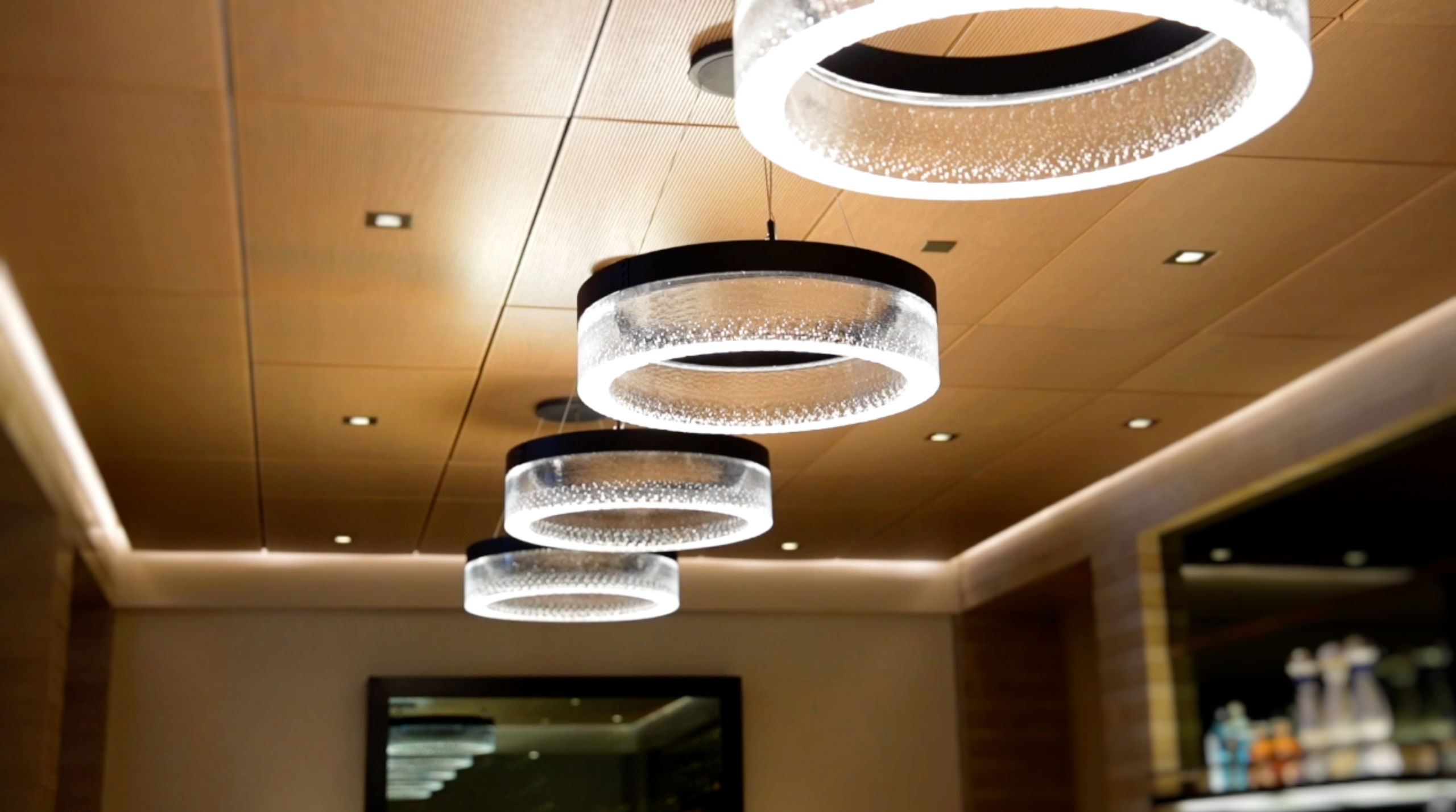
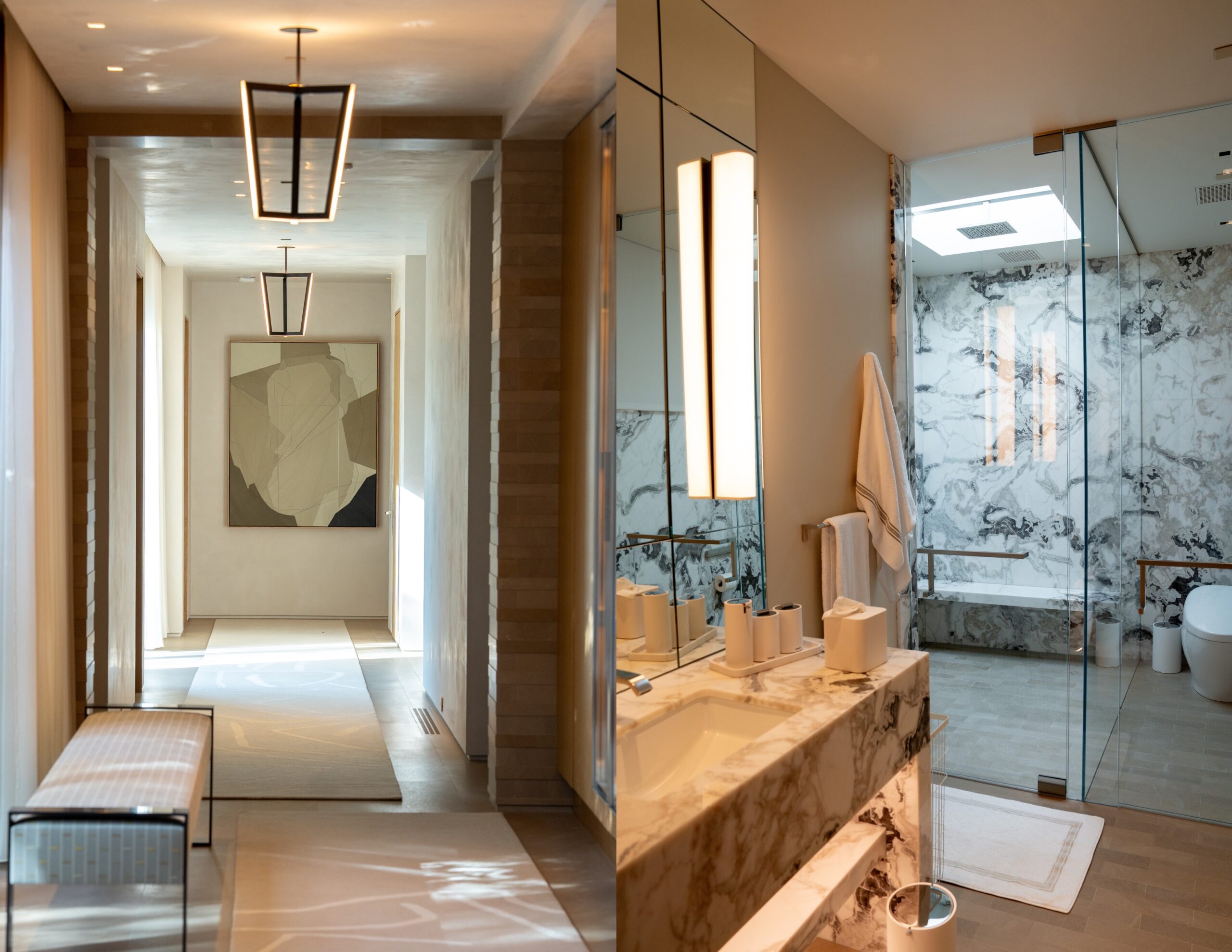
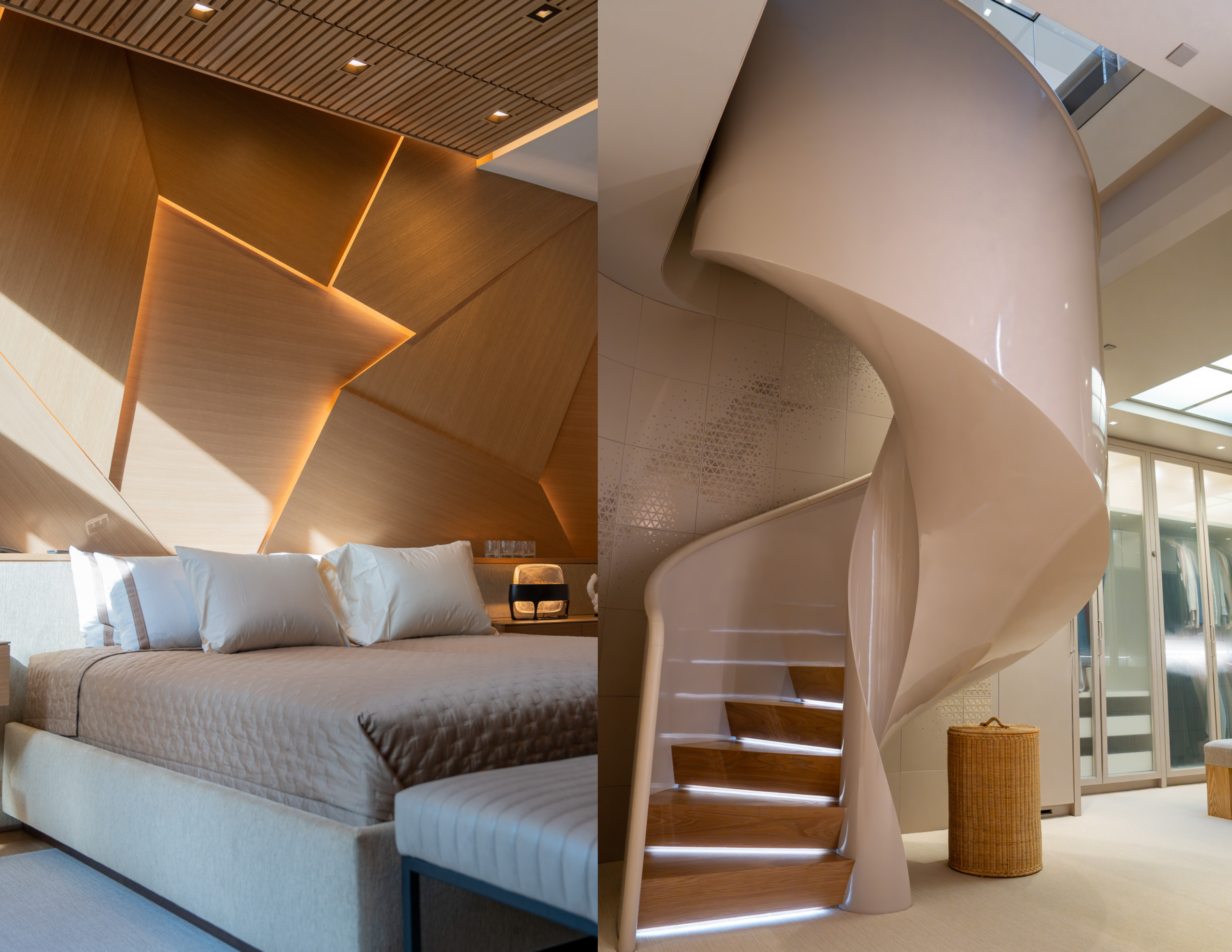
Due to the function of the home as a primary residence for retiring seniors, the lighting throughout the home needed to perform across a wider range of modes and hours than a conventional family residence. The owners are in the home more consistently, across more hours of the day and with greater sensitivity to how the lighting environment supports or undermines their experience at any given moment.
AudioVisions specified Lutron HomeWorks as the control backbone, with Ketra tunable full-spectrum fixtures as the primary light sources throughout the home. Scene programming for the residence was developed with direct client input across multiple rounds of review. Morning, working, entertaining, relaxing and evening modes are just a handful of the many scenes AudioVisions added to to the system.
An AV layer meant to run in sync with the lighting
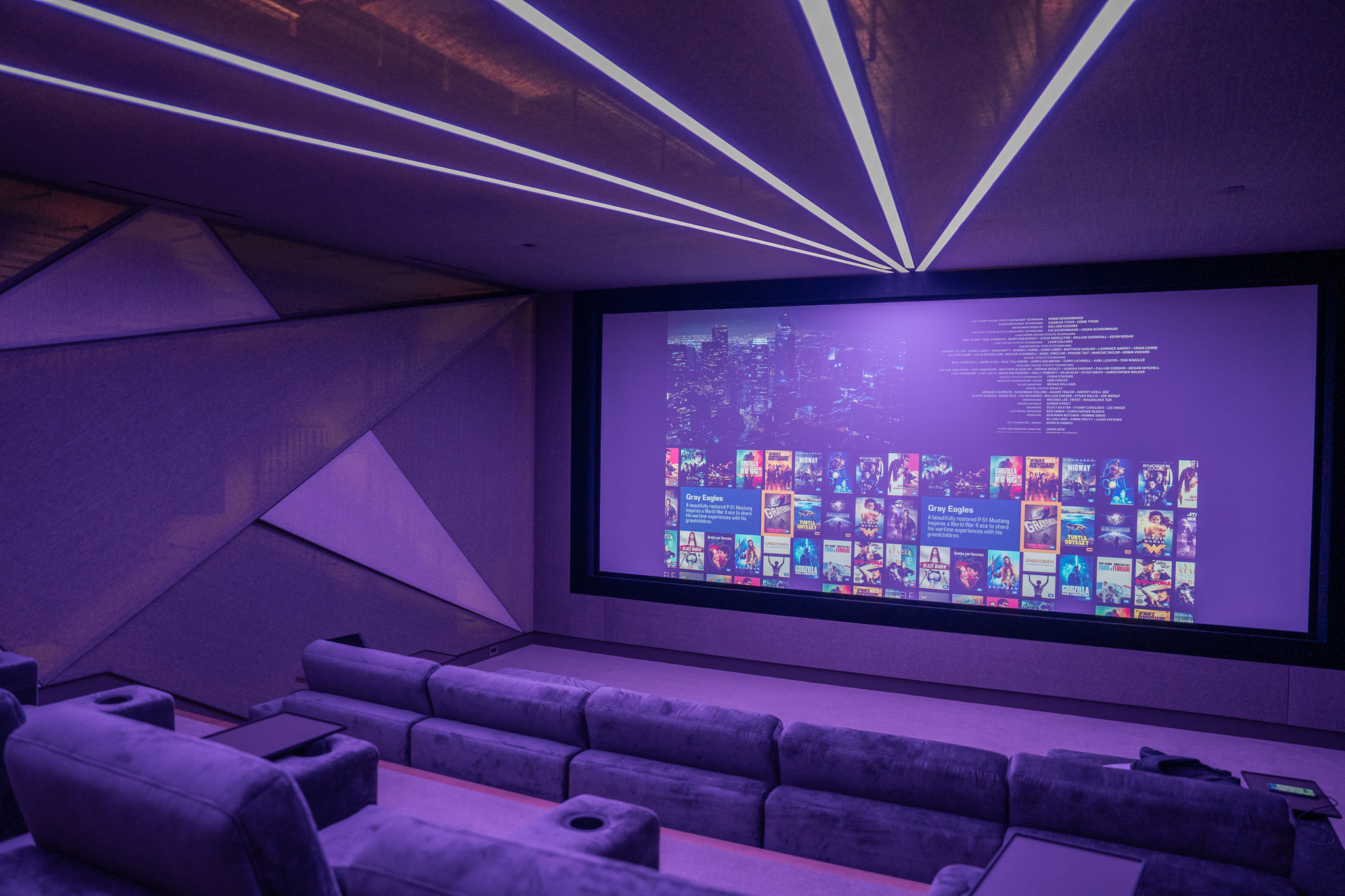
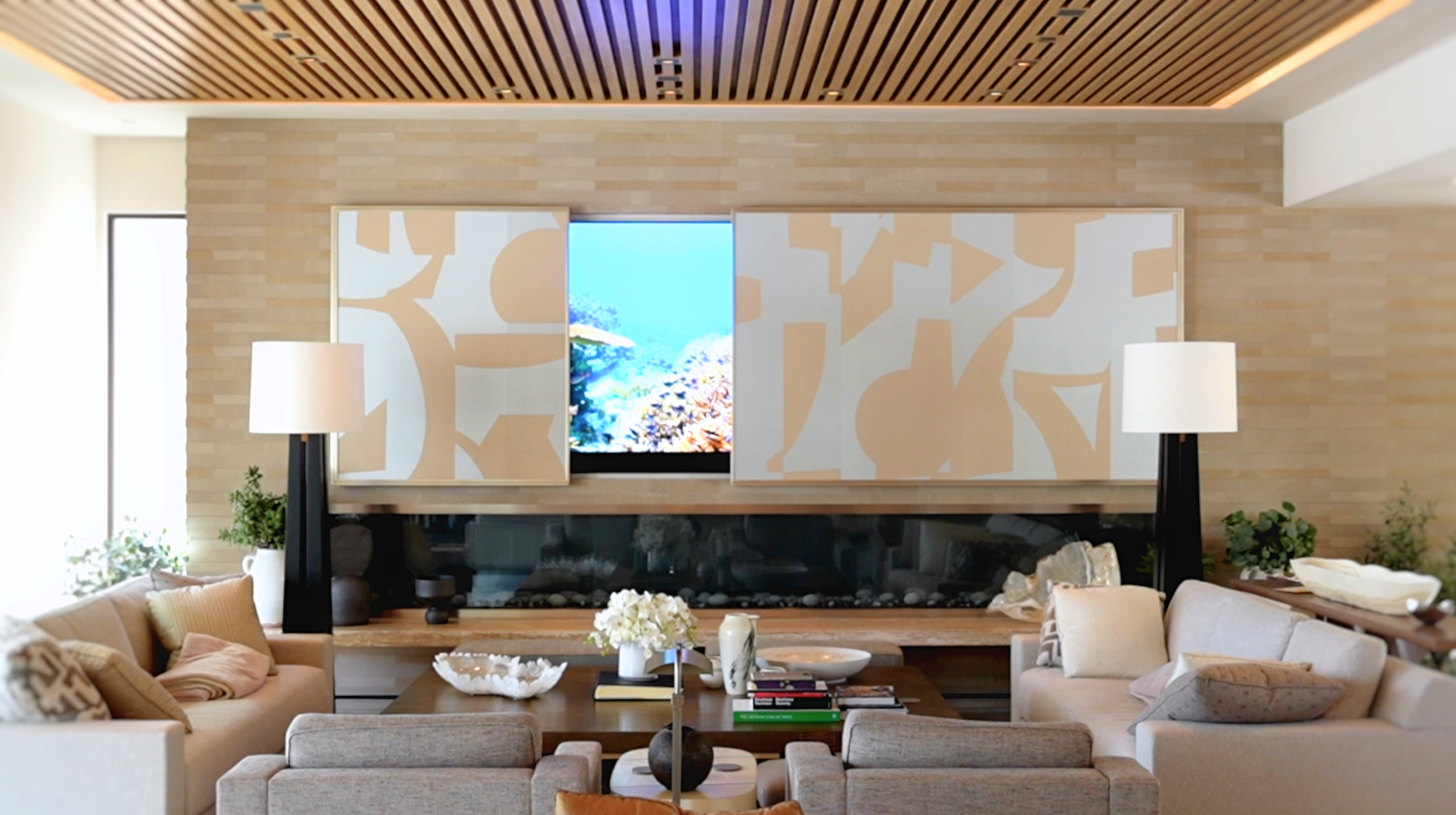
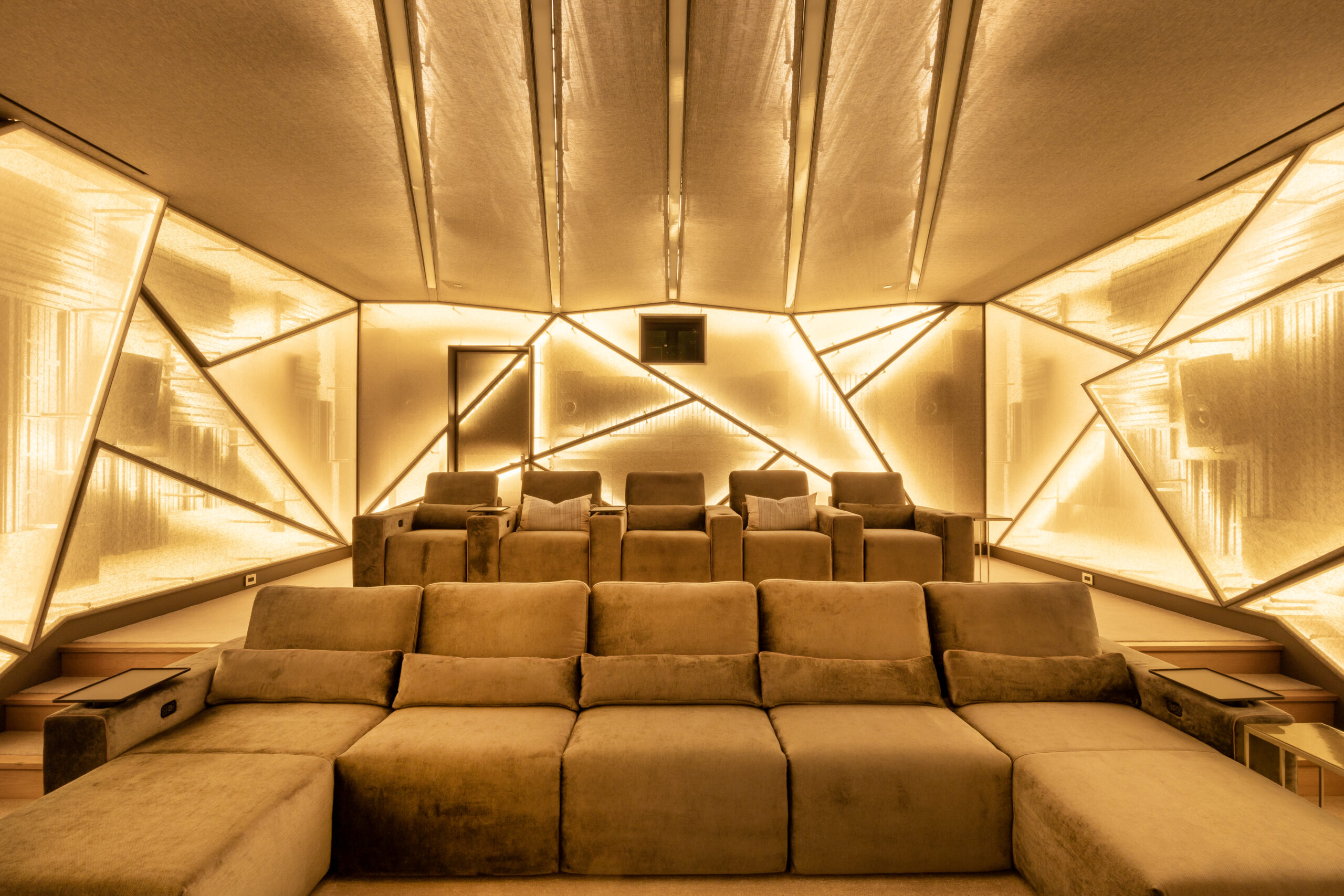
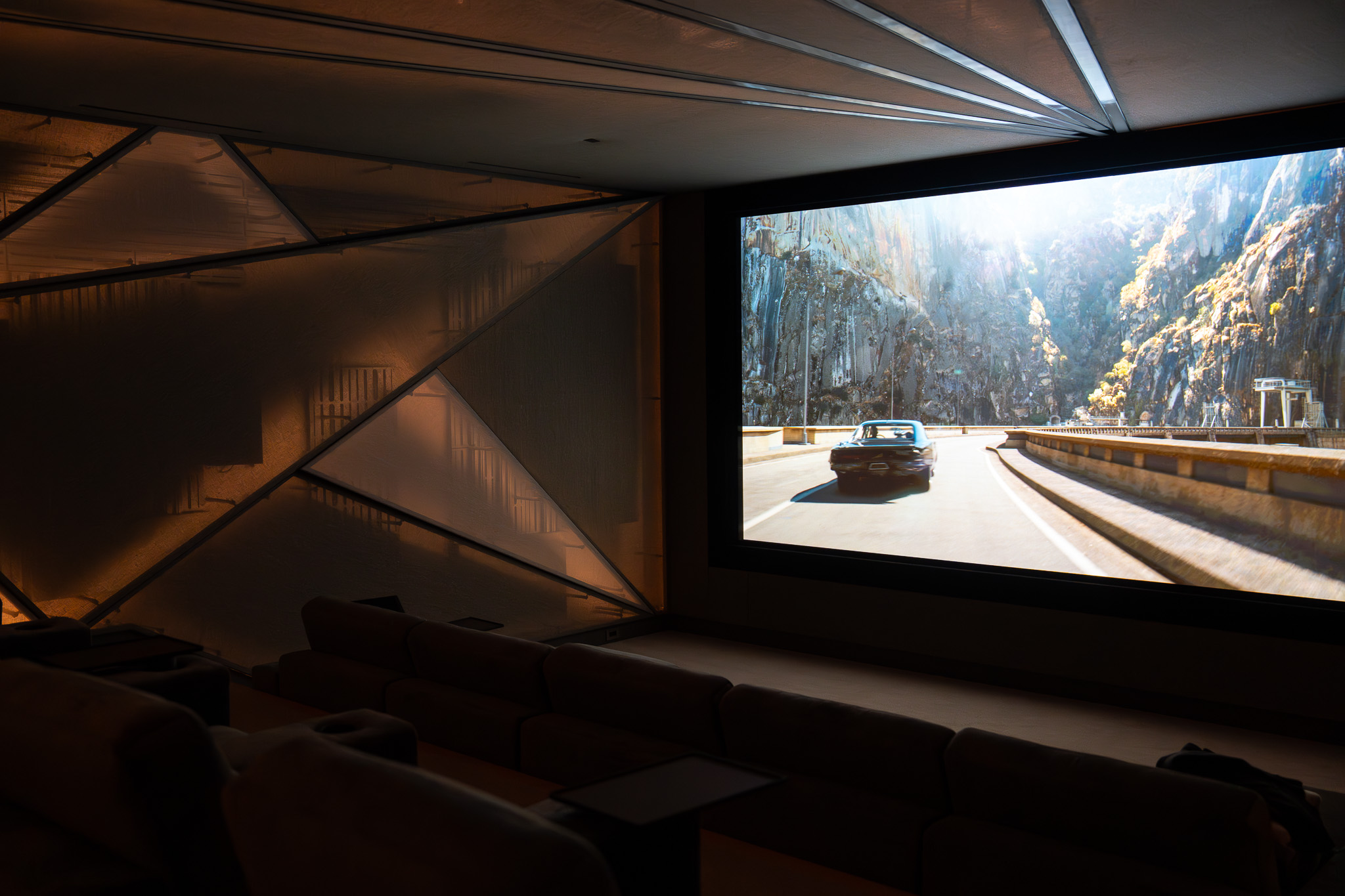
Savant was selected as the integration platform connecting the home’s AV and lighting control systems. The AV system itself prioritized concealment: TVs hidden behind millwork or within architectural reveals, speakers integrated into the structure and control interfaces that read as design elements.
The AV and lighting teams worked hand-in-hand to accommodate both technical infrastructure and aesthetic ambitions, while designers provided insights into furniture layout, light fixture placement and mood curation, allowing AV and lighting elements to remain hidden or seamlessly integrated.
Integrator takeaways
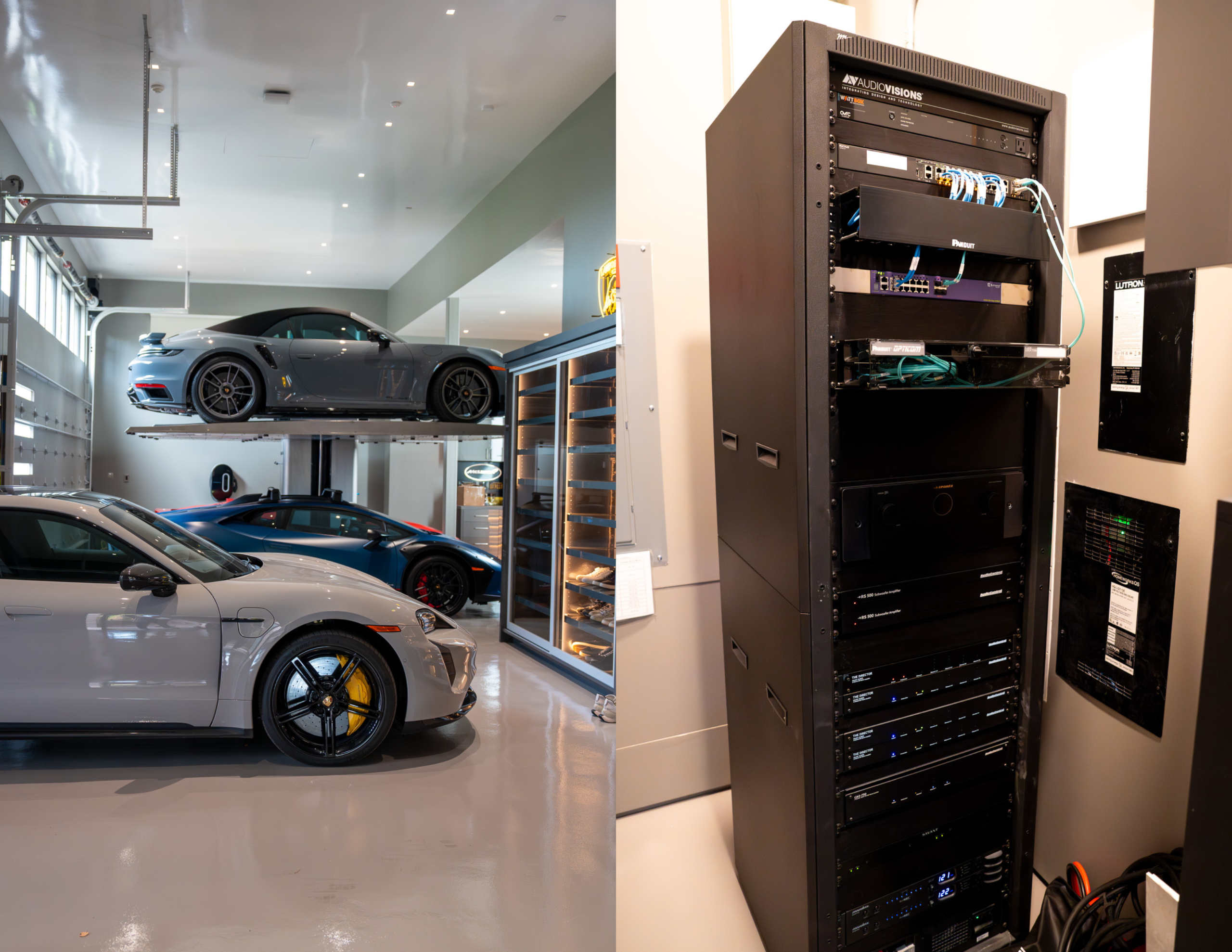
A significant deciding factor in awarding the Tran Residence a Home of the Year award was because AudioVisions built a project management and coordination methodology capable of delivering luxury-grade results under conditions that were actively hostile to the precision that luxury work requires.
Lutron’s own research highlights that 51% of designers now say home automation must fit the aesthetic of the home. Meeting it remotely, across a team that had largely not shared physical space, during a period when the supply chain for the specified products was unreliable, required the kind of organizational discipline that does not appear in the finished photographs but is present in every decision they represent.
Equipment List:
- Lighting
- Ketra fixtures
- Lutron HomeWorks control
- Whole-House Control
- Savant
This project is part of our coverage for the 2025 CE Pro Home of the Year Awards. Presented annually at CEDIA Expo alongside the BEST Product Awards, the Home of the Year Awards represent the best of the best smart home innovations within the CEDIA channel. Check to see when the next submission window is open in case you have a project you would like to submit and don’t want to miss your opportunity.