Takeaways
- Samsung’s new RGB TV lineup includes the R95H and R85H.
- Screen sizes range from 55 to 115 inches.
- TVs to feature a dedicated Micro RGB AI engine for dynamic color adjustments.
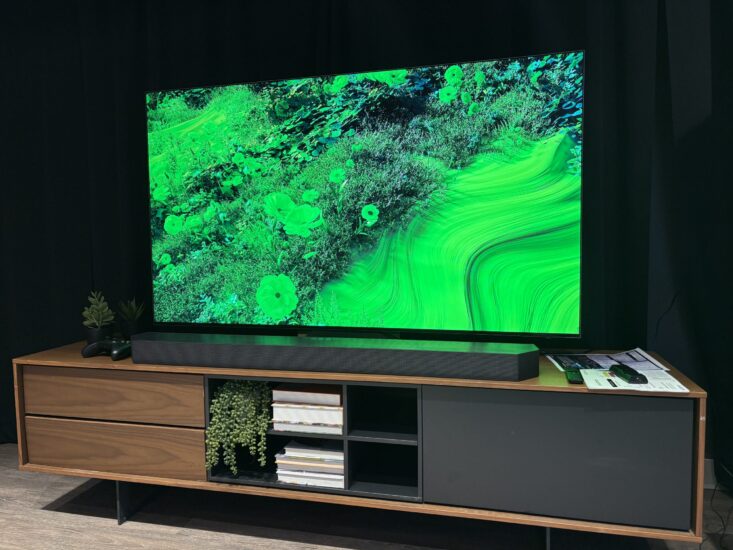
Samsung has announced its 2026 Micro RGB TV lineup, introducing a new display architecture built around independently emitting red, green, and blue LEDs. The lineup includes two series, the R95H and R85H, with screen sizes ranging from 55 inches to 115 inches, positioning the technology as a premium alternative in the evolving high-end display category.
The company first introduced its Micro RGB TV last year, but only the 115-inch model which debuted at just under $30,000. The 2026 launch introduces more size options, starting at 55 inches and up to the 115-inch model. The TVs join a growing wave of RGB LED innovations coming from TV manufacturers that aim to set a new benchmark for color accuracy.
At a press event at Samsung’s U.S. headquarters last month, company representatives positioned its Micro RGB technology as a fundamental shift in how TVs produce color, expanding the platform beyond last year’s 115-inch model into a full lineup ranging from 55 to 115 inches. Company representatives said the goal is to bring what was previously a large-format, high-cost display technology into more typical living room environments, making it accessible to a broader range of installations while maintaining its positioning in the premium tier.
At the core of the technology is a redesigned backlighting structure that replaces traditional white or blue LED backlights with independently controlled red, green, and blue LEDs. Samsung said this approach eliminates the need for color filters, enabling greater color purity and higher color volume. The company also highlighted the role of its dedicated Micro RGB AI engine, which dynamically adjusts the balance of red, green, and blue light in real time to render more accurate images, particularly in scenes with complex color mixes.
What Makes Samsung’s Micro RGB TV Unique?
According to the company, the Micro RGB platform uses thousands of micro-sized RGB LEDs that emit light independently, reducing color bleed and enabling more precise color reproduction. Samsung says the displays achieve 100% coverage of the BT.2020 color space, as verified by VDE.
At the processing level, Samsung’s Micro RGB AI Engine Pro powers the R95H series, applying scene recognition and color optimization through features such as Micro RGB Color Booster Pro and Micro RGB HDR Pro. The processor is designed to enhance brightness, motion clarity, and overall image detail, while also supporting HDR10+ Advanced for dynamic content optimization.
Gaming features include refresh rates up to 165Hz on the R95H and 144Hz on the R85H, along with motion enhancement technologies designed to reduce blur and latency. Audio capabilities include Dolby Atmos and Object Tracking Sound, as well as Q-Symphony compatibility for multi-device audio synchronization.
On the design side, the R95H supports Wireless One Connect, allowing flexible placement of source devices, while both models support slim wall mounting and access to Samsung’s Art Store platform.
The TVs also integrate Samsung Vision AI Companion, which incorporates large language model-based voice interaction via Bixby and access to third-party AI services such as Microsoft Copilot and Perplexity.
Pricing for the lineup ranges from $1,599 for the 55-inch R85H to $6,499 for the 85-inch R95H, with a 115-inch carryover model listed at $29,999.
RGB TV Market Gains Momentum in Premium Display Segment
Samsung’s Micro RGB launch comes as RGB-based display technologies continue to gain traction across the premium TV market, with multiple manufacturers exploring alternatives to OLED and traditional LED-backlit LCD.
At a high level, RGB TV technologies replace or supplement white backlights and color filters with independently controlled red, green, and blue light sources. This approach is designed to improve color volume, brightness, and efficiency while maintaining precise control over each pixel or lighting zone.\
The category currently includes several variations, including micro-LED, mini-LED with RGB backlighting, and emerging “true RGB” implementations that rely on discrete RGB emitters. Companies such as Sony and others have demonstrated similar approaches, signaling broader industry interest in RGB architectures as a next step in display evolution.
For integrators, the emergence of RGB TV technologies introduces another layer of differentiation in the high-performance display category. As manufacturers continue refining these platforms and expanding size options, RGB-based displays are expected to play an increasing role in luxury residential projects, particularly in spaces where brightness, color accuracy, and large-format viewing are priorities.