Takeaways
- FCC has updated its FAQ section to clarify cellular routers and Wi-Fi hotspot devices as part of the ban.
- Recent move showcases how little is still known about what devices are truly affected under the foreign-made router ban.
- Enterprise equipment as well as smartphone hotspots are unaffected.
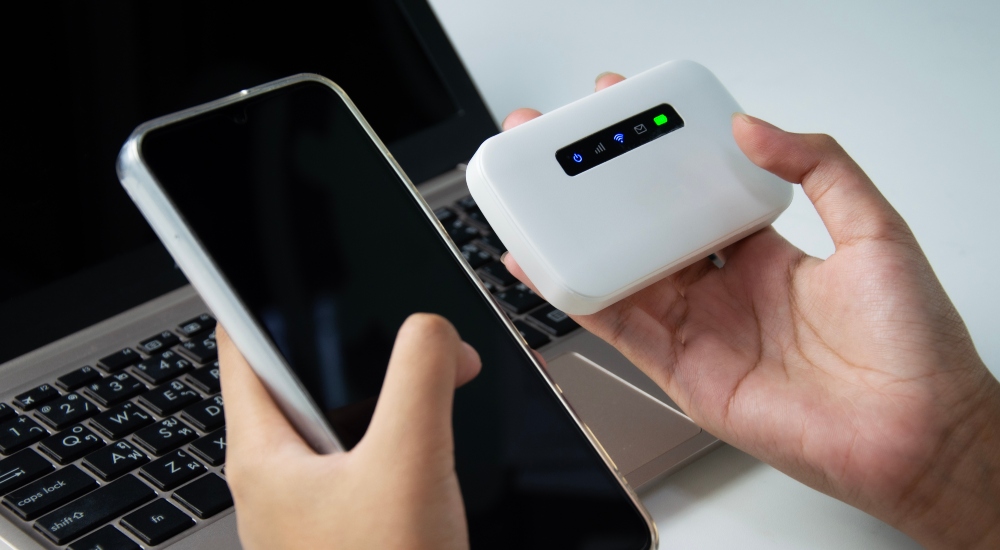
The list of products included in the FCC router ban has now expanded to include mobile hotspot devices and domestic routers that use a 5G cellular connection to access the internet following updates the agency made to its FAQ page. The changes were initially reported on by sites such as The Register, PC Mag and The Verge with CE Pro recently being made aware of the changes.
What Devices Are Affected by the Expanded Foreign Router Ban?
Under recent clarifications, the FCC router ban is now seen to extend to portable Wi-Fi hotspot devices that provide mobile internet access. Mobile phones that support that function aren’t presently being targeted, given the language, however, given the recent clarifications, it is uncertain if the language may one day be updated to encompass those as well.
Enterprise equipment designed to support mobile hotspots are not affected.
Additionally, the clarified language now includes “LTE/5G CPE devices for residential use,” with the CPE standing specifically for customer premises equipment. This means that residential routers using cellular networks to connect to the internet are considered covered under the FCC’s foreign-router ban.
Like the original router ban, only new devices are directly impacted, meaning existing devices being used and installed into homes are not restricted.
Response to the FCC’s Foreign-Made Router Ban
The clarification comes nearly a month after the FCC’s initial router ban, which saw a widespread ban placed on all consumer-grade routers with foreign origins (be they partially sourced or manufactured from parts overseas or otherwise).
The move, at the time, was met with cautious optimism by most of the professional installation community, which saw itself as being largely unaffected by the mandate. Even now, clarifications outline it is still only consumer-level devices being affected, with new enterprise models still allowed to be freely bought and sold.
Networking proponents, however, have since highlighted multiple flaws in the policy, with the most notable being its focuses on routers and country of origin.
Router’s Aren’t the Biggest Issue
While the emphasis of the policy is to protect the U.S. against foreign attacks introduced by vulnerable devices, security vulnerabilities exist across a wide swathe of internet-based devices.
Research has shown that routers are not even the ones most exploited for use in cyberattacks against American institutions. In that category, TV set top boxes take the cake, frequently being at the center of many major botnet programs over the past few years. Smart TVs, as well, are often exploited.
Takeaways for Integrators
While the FCC has stressed that no formal change to the initial policy has been made, the update to its FAQ page has resulted in a subtle expansion of what was initially considered to be so given its initial statement.
Critics of the current approach have already begun to highlight how quickly additional devices can be brought into scope of the ban through these quiet, unannounced clarification updates to the FAQ.
Regardless of intent, however, the recent update highlights the gaps in clarity present between what the FCC views as being covered and what the public has so far interpreted. With that, further clarifications could result in more devices being brought into the fold.
Provided the ban sticks to consumer-grade devices only, integrators working with enterprise-grade networking equipment are likely to be unaffected. That still puts ample pressure on those who aren’t, however.
As CEDIA highlighted when the ban was first announced, the sudden halting of new product sales can quickly compound into supply chain issues as existing stock runs out, leading to further price hikes and shortages.