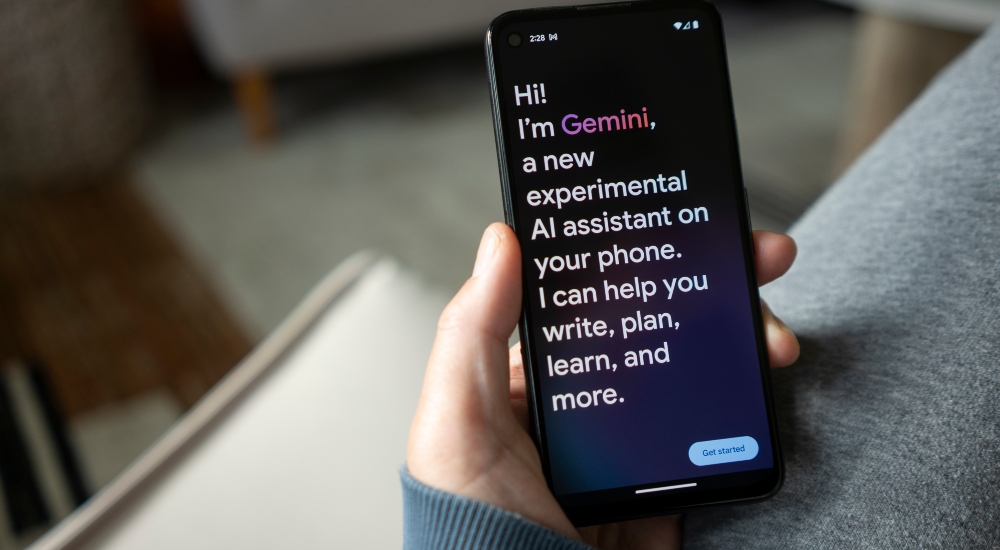
Google has made one of the biggest updates to its Home platform since the integration of its Gemini AI back in October 2025. The main takeaway is that Gemini will be able to process complex smart home commands faster. However, this update and the story behind it reveal a unique consideration when it comes to using AI in the smart home.
How Has Gemini Performed Since the Home Integration
While users have largely viewed Gemini’s integration onto the Google Home platform as a massive improvement for their smart home experience, one consistent criticism persisted. The time it took to process certain smart home commands through Gemini did lead to some consternation.
As reported by other news sites, there would often be delays between commands and Home acting. Though no exact time for how long the delays exists, in this most recent update, Google has said it is speeding up command processing by as fast as 1.5 seconds, so it can be assumed that the delays were at least that long.
Why Was Gemini So Slow?
Despite the easy, “It’s a consumer-grade product” being there, Gemini’s processing speed doesn’t seem that out of the ordinary when you compare it to its peers. And by peers, I mean ChatGPT and Claude.
If you’ve done any work with Claude or Chat, I’m sure you’ve noticed how it can take a few seconds to process a more complex request. While unconfirmed, that may have been what was happening with Gemini, considering it too is an LLM on the level of Claude and Chat.
How Has Google Cleaned Up the Gemini Experience in Home?
According to Google the company has been able to reduce Gemini’s processing time on specific smart home commands by optimizing how Gemini processes commands at the device level and how it interprets home layouts. This has led to command processing speeds of up to 1.5 seconds faster.
Additionally, Google has made enhancements to reduce errors in interruptions when initiating commands. Details are vague there but in Google’s patch notes for the update the company says that Gemini will be better at identifying when a request is a stand-alone command vs a follow-up.
Why Integrators Should Take Notice
These challenges that Google has had with its preliminary implementation of Gemini into its smart home platform highlight the broader challenges being faced when trying to implement AI models into these unique spaces.
As mentioned previously, if you’ve done work with Claude or Chat, you’ll notice that it takes some time for it to be able to process more complex requests. While that’s acceptable for a prompt and answer engine where you’re reasonably going to be doing work in between the question and answer, it’s less acceptable for a smart home expected to move quickly and cleanly.
In speaking with professional control platforms like Savant and Crestron, the issues that are facing Gemini currently are likely the exact same issues with AI that they are trying to iron out before an official release.
It may sound odd but the things that integrators will want to keep an eye out for are mainly the software updates Google provides over time. Instead of directly impacting their business, these updates will provide a window into a lot of the limitations AI might have in the smart home and what integrators should be looking out for when they are selecting a professional-grade solution to introduce to clients.