ADT is getting a new owner, and it’s not your typical private equity buyer.
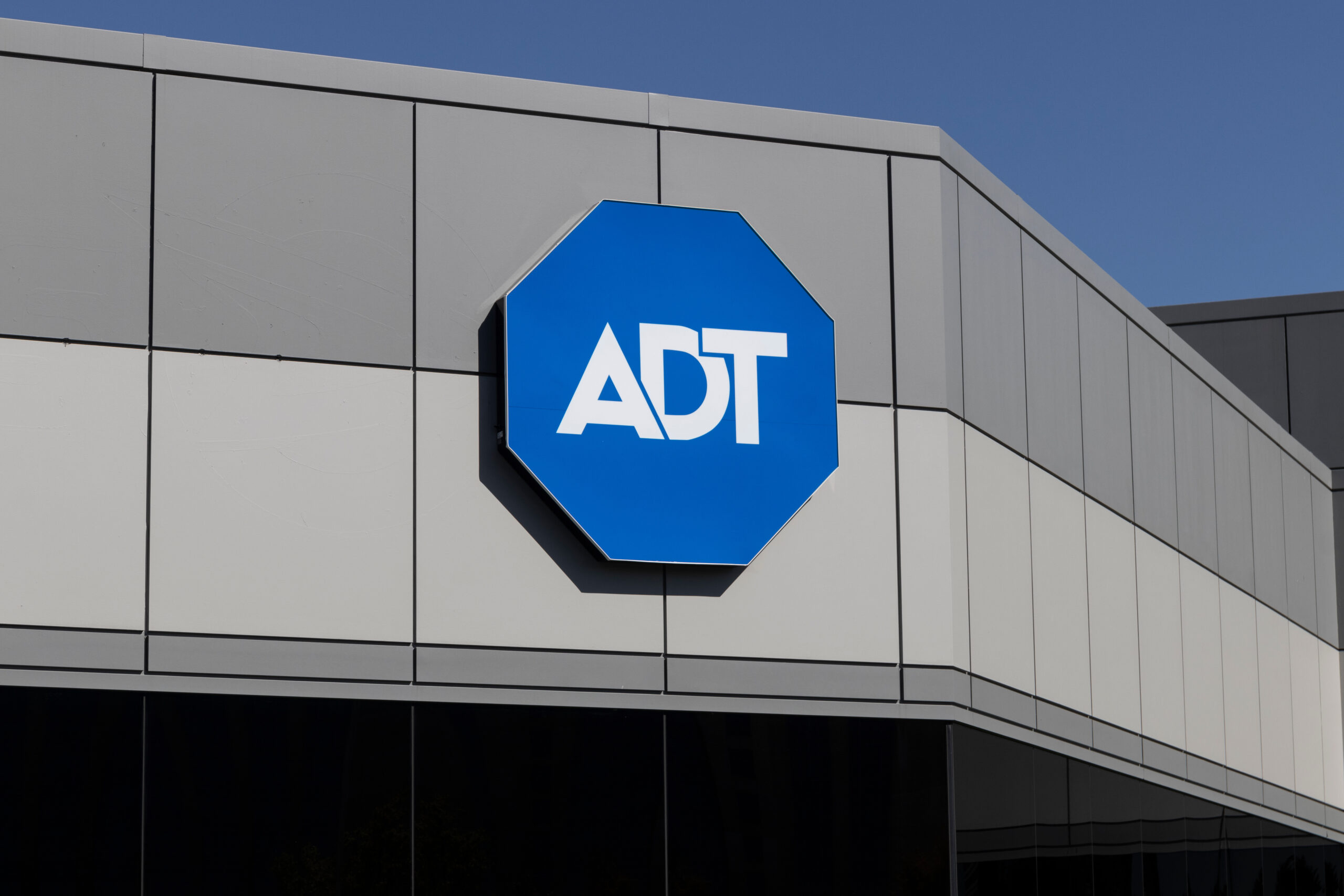
Thrive Holdings, the company Josh Kushner’s Thrive Capital launched last year to buy established businesses and rebuild them around AI, announced Oct. 29 that it has agreed to acquire ADT and take it private. Once the deal closes, ADT will become the backbone of a new Thrive smart home security business.
The timing is hard to ignore. Just two weeks earlier, ADT landed a role as the professional installer behind Apple’s long-awaited smart home lineup. Put the two together, and the country’s biggest residential security company is heading into 2027 with an Apple partnership, an owner with close ties to OpenAI, and plenty of open questions for the rest of the channel.
Who Is Thrive Holdings?
Thrive Holdings isn’t built like a traditional buyout shop. It’s a permanent-capital company, which means it plans to own businesses for the long haul instead of flipping them in five to seven years. It already owns more than 75 companies in accounting, IT services and the built environment, including Current in accounting and Shield in IT services. ADT would be its biggest purchase by a wide margin.
The AI angle runs deep. OpenAI took an ownership stake in Thrive Holdings in December 2025 and embeds its own engineering, research and product people inside Thrive’s portfolio companies. Thrive Capital is also one of OpenAI’s major investors, a cross-ownership setup that raised some eyebrows when it was announced. Earlier this year, Thrive Holdings raised $2 billion from SoftBank, D1 Capital Partners and Altimeter Capital at a reported $12 billion valuation.
What that means for ADT products is still unclear. Neither company has said which AI features or new products are coming.
The Apple Connection
As CE Pro reported Oct. 16, ADT will provide third-party professional installation for Apple’s new smart home lineup, which also counts LG and Schneider Electric as ecosystem partners. Hints had been piling up for months. MacRumors reported that ADT had been hiring “Low Voltage Technicians” across the U.S. since July, with new hires shadowing ADT installers. The Apple deal also came right after ADT’s exclusivity agreement with Google expired.
The ADT arrangement doesn’t rule out Apple working with the CEDIA channel in other ways. CE Pro has been watching that question since Apple patented a configuration system about a year ago that lets a pro installer set up a system and then hand ownership over to the homeowner. Apple didn’t come up in the acquisition announcement.
What Both Sides Are Saying
ADT chairman and CEO Jim DeVries framed the deal as a payoff for the company’s workforce and a chance to move faster. “ADT is pleased to enter into this transaction, which recognizes the value built by our more than 12,000 employees and delivers an attractive cash premium to our stockholders,” he said, adding that Thrive’s capital and tech expertise would give ADT “new opportunities to accelerate innovation.”
On the Thrive side, partner Kareem Zaki leaned on the long-term pitch. The firm plans to strengthen ADT’s technology and product capabilities “with the capital and patience to invest over decades,” he said. He also wants to give the professionals responding to alarms “more actionable information.” Thrive says its engineers will work directly with ADT’s teams to find where technology can improve products and customer support.
With an AI-heavy owner and OpenAI in the background, the companies clearly expected questions about customer data, and they got ahead of them. ADT’s privacy and data protection policies will stay the same, and no new data sharing will happen without customer permission. “Protecting customers’ homes also means protecting their data,” said Thrive partner Anuj Mehndiratta.
The Deal by the Numbers
Thrive is paying $10 a share in cash. That’s a 45.6% premium over ADT’s $6.87 close on Oct. 27, the last trading day before word of the deal got out, and 52.1% above its 30-day average. The offer values ADT’s equity at about $7.6 billion and the whole company at about $15.3 billion. Most of the gap between those two numbers is ADT’s debt. The stock jumped about 34% on the news, according to The Information.
ADT’s board approved the deal unanimously. It still needs a shareholder vote and U.S. antitrust approval, and both companies expect it to close in the first quarter of 2027. It isn’t conditioned on financing.
Funds managed by Apollo Global Management affiliates are providing all of the financing. Apollo bought ADT in 2016, took it public again in 2018 and sold its last shares only about five months ago.
ADT can still shop around. Under a “go-shop” clause, ADT and its bankers can solicit competing bids until 11:59 p.m. ET on Nov. 28, with a possible 10-day extension for some bidders who come forward before then. If a better offer shows up, ADT can walk away from the Thrive deal, subject to the agreement’s terms. The company says it won’t comment on the process unless it has to.
What It Means for Integrators
The announcement didn’t mention ADT’s authorized dealer program or any changes for the independent dealers and integrators who work with ADT. For now, ADT keeps running as an independent company until the deal closes.
The bigger questions will take longer to answer. How hard will a private ADT, backed by patient, AI-focused money, push on monitoring, smart home platforms and recurring revenue? And will its Apple role stay limited to mass-market installs, or open a door for the custom channel? Neither company has offered specifics yet.
ADT reports third-quarter results before the market opens Nov. 3, followed by a 10 a.m. ET call. Because of the pending deal, it won’t take questions on the call.