The Latest
Filter by Topic
Filter by Type

CEDIA Research Pegs U.S. Residential Tech Market at $33.8 Billion, With AI and Skilled Labor Defining the Year Ahead
New CEDIA research values the U.S. smart home integration market at $33.8 billion, led by home networking and…
News September 14
Inside Daisy’s CEDIA Expo Showcase Home
Daisy and ADI turned a Denver spec home into a live CEDIA Expo showcase — a look inside…
News September 14
The Dream of a Professional Connected Bath Solution May Finally Be Here
Kohler’s connected shower made a splash at CEDIA Expo 2026, but hidden elsewhere were rumblings of a major…
News September 14
BZBGEAR at CEDIA Expo 2026: How Commercial AV Powers Today’s Luxury Experiences
Matt Richards, National Inside Sales Manager talks about how enterprise AV technology continues to change how integrators can deliver luxury entertainment experiences.
August 31

Why Cat6A Is Becoming the Safer Spec, Even When Cat6 Still Works
As smart homes, home offices and light-commercial AV projects demand increasingly more from the wired network, Cat6A is…
Sponsored September 14
Forge CEO Paul Miller Commits to CEDIA Expo’s Future, Addresses Industry Speculation
Forge CEO Paul Miller addresses industry speculation at CEDIA Expo 2026, confirming the show will continue in Las…
Uncategorized September 11
CEDIA Expo 2026 Wraps in Denver with Nearly 10,000 Attendees, Eyes Turn to Vegas
CEDIA Expo 2026 drew 9,653 verified attendees and 320+ exhibiting brands to Denver, with top exhibitors reporting strong…
News September 11
NMG Summer PrimeTime Asks Attendees to Think Differently About Service
Over 110 exhibitors and 3,000 convened at the Music City Center in Nashville, Tenn. with a keynote speech…
News September 10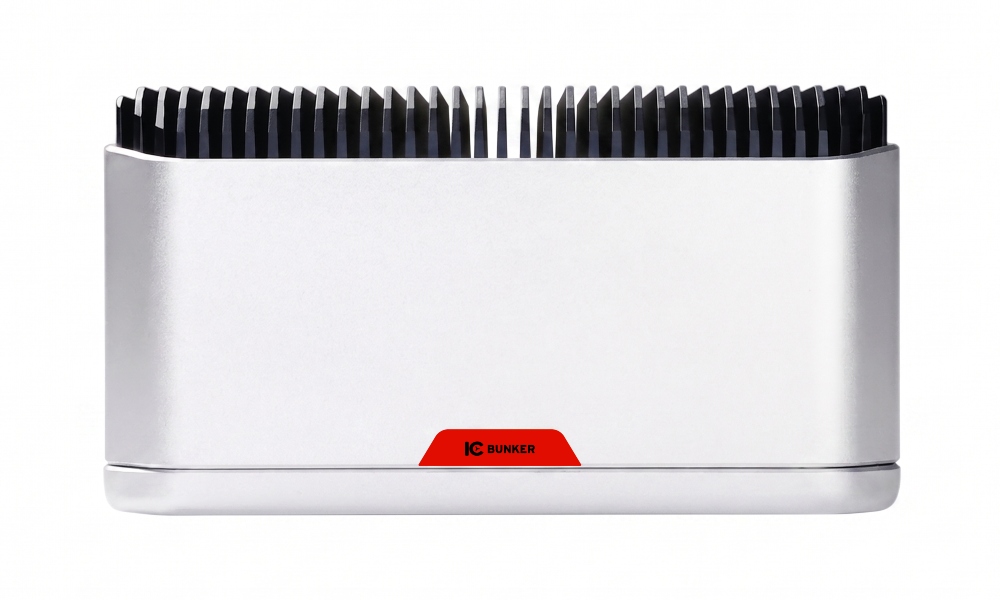
IC Realtime Wants to Use Edge AI for a Living Intelligence Platform for Home Security
Built on NVIDIA’s Jetson edge-computing technology, Bunker uniquely positions itself as an intelligence layer for security integrators can…
News September 10
LG Ratchets Up Its MicroLED Offering with the MAGNIT Gen 2 Display
At the center of the MAGNIT Gen 2 is NovaStar’s Vision Management Platform software, which adds real-time monitoring…
Products September 10Spotlight on CEDIA 2026




CEDIA 2026 Spotlight Sponsors




















Latest Products