Smart Homes Growing in Popularity
Research shows smart home installations are growing at a compound annual growth rate of more than 30 percent.
Analyst firm Berg Insight is claiming that smart home installations will be a $9.5 billion market by 2015.
The group says that in 2010 the number of installations was a little less than half a million, but growing at a compound annual growth rate of 32.8 percent to 5.38 million in four years.
That growth in installations will also mean a big boost in revenue for installers and manufacturers, up from $2.3 billion last year, according to Berg.
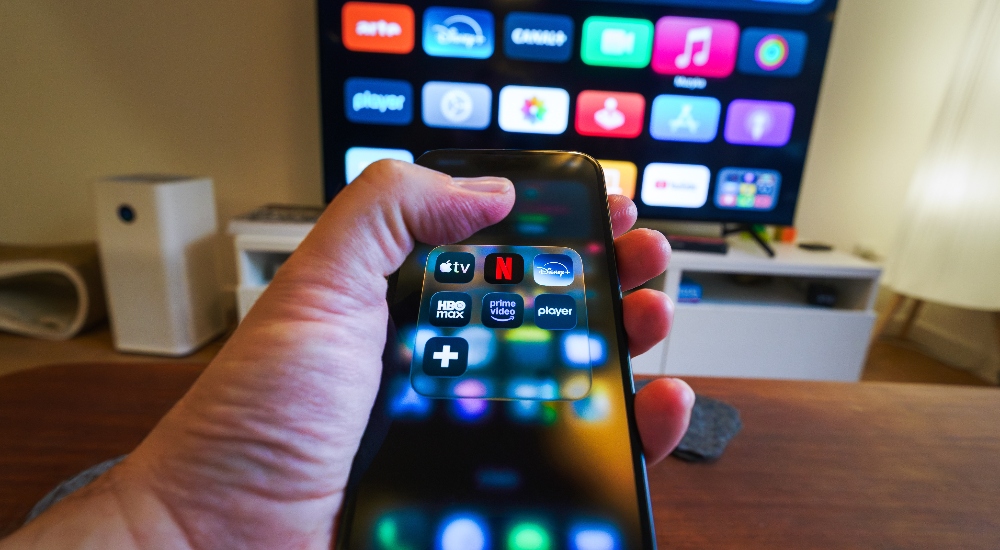
Where’s all this growth coming from? The housing market is still down. The economy still feels pretty recession-y. Lots of dealers/installers have closed their doors for good. Yet, according to Berg, mobile devices deserve a lot of the credit. “First is the pull from consumers in the mobile age, who desire to use products such as iPhones and iPads to control their lifestyles through user-friendly interfaces,” says lead analyst Alan Varghese.
Related: Why Gays, Nudists, Country Music Will Lead Housing Recovery
Yup, it’s the iDevice again, driving the smart home market. Consumers are getting so comfortable tapping and swiping through apps that they want to make their whole house that easy to operate.
Other stimulants, such as regulatory issues that mandate communities to exert better control over power usage, plus cable and internet providers such as Verizon and Comcast trying to move beyond their traditional areas into smart home features, are contributors to this trend.
The report also notes that the cost of the technology is coming down, allowing manufactures to offer less expensive systems that require less custom programming. This all leads to the smart home becoming more than just a feature in the homes of the affluent.
Related: Will e-KNOW Bill Pave Way for Smart Grid?
The report predicts that mainstream homes (it doesn’t specify what a mainstream home is, but I’m guessing it looks like mine) will include some smart home features. In 2010 only 0.1 percent of mainstream homes include any smart home features. By 2015 Berg expects that to reach 4 percent, not huge, but significant growth.
Does that 4 percent number mean something as small as a universal remote, wireless lighting switch or IP security camera, or is it something bigger? The report doesn’t make that clear.
A few things will drive the smart home revolution: wireless connectivity, security, apps. And let’s not forget smart TVs.
The group says that in 2010 the number of installations was a little less than half a million, but growing at a compound annual growth rate of 32.8 percent to 5.38 million in four years.
That growth in installations will also mean a big boost in revenue for installers and manufacturers, up from $2.3 billion last year, according to Berg.
Where’s all this growth coming from? The housing market is still down. The economy still feels pretty recession-y. Lots of dealers/installers have closed their doors for good. Yet, according to Berg, mobile devices deserve a lot of the credit. “First is the pull from consumers in the mobile age, who desire to use products such as iPhones and iPads to control their lifestyles through user-friendly interfaces,” says lead analyst Alan Varghese.
Related: Why Gays, Nudists, Country Music Will Lead Housing Recovery
Yup, it’s the iDevice again, driving the smart home market. Consumers are getting so comfortable tapping and swiping through apps that they want to make their whole house that easy to operate.
Other stimulants, such as regulatory issues that mandate communities to exert better control over power usage, plus cable and internet providers such as Verizon and Comcast trying to move beyond their traditional areas into smart home features, are contributors to this trend.
The report also notes that the cost of the technology is coming down, allowing manufactures to offer less expensive systems that require less custom programming. This all leads to the smart home becoming more than just a feature in the homes of the affluent.
Related: Will e-KNOW Bill Pave Way for Smart Grid?
The report predicts that mainstream homes (it doesn’t specify what a mainstream home is, but I’m guessing it looks like mine) will include some smart home features. In 2010 only 0.1 percent of mainstream homes include any smart home features. By 2015 Berg expects that to reach 4 percent, not huge, but significant growth.
Does that 4 percent number mean something as small as a universal remote, wireless lighting switch or IP security camera, or is it something bigger? The report doesn’t make that clear.
A few things will drive the smart home revolution: wireless connectivity, security, apps. And let’s not forget smart TVs.
Subscribe to the CE Pro Newsletter
Read more News stories
People On the Move: Milestone AV, Definitive Technology, JL Audio, NACECEDIA White Paper Examines How to Build Mobile Device Wireless Networks
Arizona Passes Statewide Alarm Licensing Law
6 Pop Songs Great for Audio Demos
Channel Vision Adds 6710, 6721 Outdoor PTZ Cameras
More in News
Article Topics
News · Research · Home Automation and Control · Control Systems · Lighting · Security · Energy Management ·About the Author

Grant Clauser is the technology and web editor for Electronic House. Grant has been covering home electronics for more than 10 years with editorial roles in several consumer and trade magazines. He's done ISF-level damage to hundreds of reviewed products and has had audio training from Home Acoustics Alliance and Sencore.


Post a comment