Q&A: Bob Spaner, Sonos
Managing director talks recession, system configurations, DRM-free iTunes and increasing revenues.
Bob Spaner, Sonos managing director, Americas & Asia Pacific
Since the recession of the housing market, installers have aggressively sought new markets for their home systems.
Sonos is one manufacturer that's provided a good solution for those turning to the existing home market.
The Calif.-based company has steadily grown in the retail, specialty and custom channels with solutions that are easy to install, reliable and updateable.
According to Bob Spaner, Sonos managing director, Americas & Asia Pacific, recent developments in audio — new digital content subscription services and Apple's announcement of DRM-free iTunes files — are fueling increases in the Sonos' product line.
How has the recession affected Sonos?
Sonos purchases by custom installers are up more than 20 percent in the first quarter of 2009 and trending higher as dealers adjust to current market conditions. This is a result of both the consumer's desire to spend their precious dollars on future-ready products and a focus on the existing home market.
What is the average price per zone for a Sonos system?
Our two-room BU150 bundle sells for $999 and includes a ZP90 (ZonePlayer 90), a ZP120 amplified ZonePlayer and a CR100 wireless controller.
So, $500 per room, including control. Additional rooms can be added for as little as $349 each, and you can have up to 32 zones of music in a single system.
How can installers increase their revenues with your products?
The affordable price per room for Sonos leaves the installer room for specifying more expensive speakers that provide more performance for the client and profit for the installer.
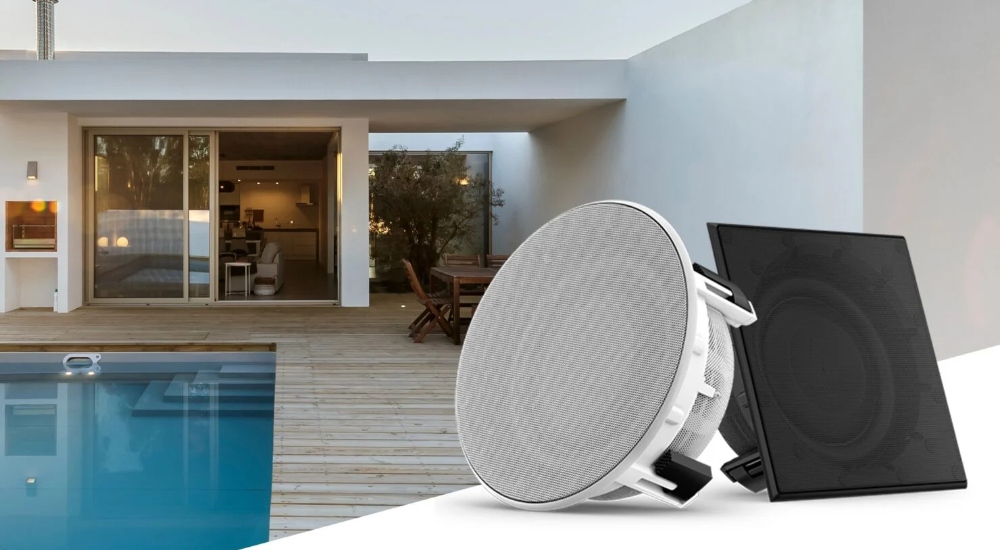
Revenue from labor can vary depending on system design and customer budget, but most Sonos custom installers use in-ceiling or in-wall speakers, which provide increased profit margin and installation revenue opportunities.
What are the most popular ways end users have installers configure their systems?
One of the interesting trends we've seen recently is an increase in sales of our ZonePlayer 90, our non-amplified model that connects to a home theater or stereo set-up. With the addition of the new free streaming content and optional subscription services, customer installers are now selling Sonos as a "music source."
How much networking experience does an installer of Sonos products need?
A networking background is not required.
Once the first ZonePlayer is connected to the customer's router via RJ45, all other wireless ZonePlayers and controllers are associated with the system with a simple push of a button.
One difference between our system and competing systems is our proprietary SonosNet wireless mesh network. Sonos does not operate as a client on the customer's wireless network. We use our own secure private 2.5-GHz wireless network to connect all Sonos devices.
How does Sonos address the custom channel as opposed to the retail market?
Fulfilling the installer's needs for us is about exceeding performance expectations and providing tech support that's second to none.
We use a network of CI [custom installation]-oriented independent rep firms, a Sonos sales management team and a technical support call center to support our custom installers. Our tech support team is available to troubleshoot any install, including the ability to diagnose and remedy problems remotely.
Apple is now offering DRM-free files. How does that affect Sonos products?
This is a milestone event for the music fan as well as for Sonos. Most of our customers are music fanatics that own significant iTunes libraries.
In the past, customers were only able to play iTunes DRM files by performing some file conversion calisthenics. As of April 1, all iTunes are available DRM-free and will play flawlessly on Sonos. Now, when a customer asks the question, "Can I play iTunes on my Sonos?" the answer is simply "yes."
Sonos integrates with an iPhone, right?
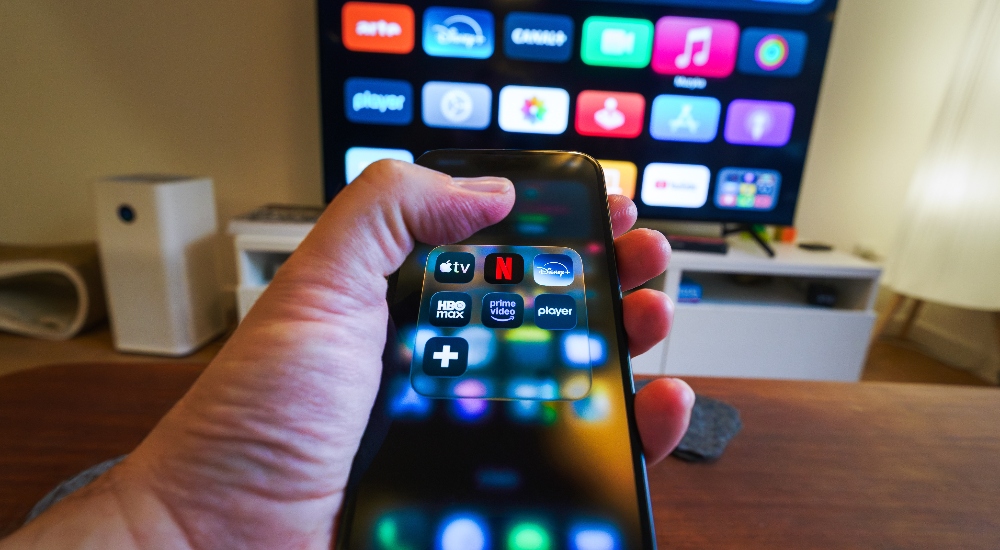
The Sonos Controller for iPhone is a free application that turns your iPhone or iPod Touch into a full-blown Sonos controller.
How do Web-based offerings, such as Pandora and Last.FM, play into things?
Streaming music services like Rhapsody, Napster and Sirius are very popular with our customers and most installers set up at least one subscription service for their clients. Our customers want all the music at their fingertips, anywhere and at anytime.
In October 2008, we launched a software update that added more free content from Sonos. Sonos customers now have access to literally millions of songs and stations thanks to the integration of more than 25,000 radio stations, like Pandora and Last.fm.
Sonos is one manufacturer that's provided a good solution for those turning to the existing home market.
The Calif.-based company has steadily grown in the retail, specialty and custom channels with solutions that are easy to install, reliable and updateable.
According to Bob Spaner, Sonos managing director, Americas & Asia Pacific, recent developments in audio — new digital content subscription services and Apple's announcement of DRM-free iTunes files — are fueling increases in the Sonos' product line.
How has the recession affected Sonos?
Sonos purchases by custom installers are up more than 20 percent in the first quarter of 2009 and trending higher as dealers adjust to current market conditions. This is a result of both the consumer's desire to spend their precious dollars on future-ready products and a focus on the existing home market.
What is the average price per zone for a Sonos system?
Our two-room BU150 bundle sells for $999 and includes a ZP90 (ZonePlayer 90), a ZP120 amplified ZonePlayer and a CR100 wireless controller.
So, $500 per room, including control. Additional rooms can be added for as little as $349 each, and you can have up to 32 zones of music in a single system.
How can installers increase their revenues with your products?
The affordable price per room for Sonos leaves the installer room for specifying more expensive speakers that provide more performance for the client and profit for the installer.
Revenue from labor can vary depending on system design and customer budget, but most Sonos custom installers use in-ceiling or in-wall speakers, which provide increased profit margin and installation revenue opportunities.
What are the most popular ways end users have installers configure their systems?
One of the interesting trends we've seen recently is an increase in sales of our ZonePlayer 90, our non-amplified model that connects to a home theater or stereo set-up. With the addition of the new free streaming content and optional subscription services, customer installers are now selling Sonos as a "music source."
How much networking experience does an installer of Sonos products need?
A networking background is not required.
Once the first ZonePlayer is connected to the customer's router via RJ45, all other wireless ZonePlayers and controllers are associated with the system with a simple push of a button.
One difference between our system and competing systems is our proprietary SonosNet wireless mesh network. Sonos does not operate as a client on the customer's wireless network. We use our own secure private 2.5-GHz wireless network to connect all Sonos devices.
How does Sonos address the custom channel as opposed to the retail market?
Fulfilling the installer's needs for us is about exceeding performance expectations and providing tech support that's second to none.
We use a network of CI [custom installation]-oriented independent rep firms, a Sonos sales management team and a technical support call center to support our custom installers. Our tech support team is available to troubleshoot any install, including the ability to diagnose and remedy problems remotely.
Apple is now offering DRM-free files. How does that affect Sonos products?
This is a milestone event for the music fan as well as for Sonos. Most of our customers are music fanatics that own significant iTunes libraries.
In the past, customers were only able to play iTunes DRM files by performing some file conversion calisthenics. As of April 1, all iTunes are available DRM-free and will play flawlessly on Sonos. Now, when a customer asks the question, "Can I play iTunes on my Sonos?" the answer is simply "yes."
Sonos integrates with an iPhone, right?
The Sonos Controller for iPhone is a free application that turns your iPhone or iPod Touch into a full-blown Sonos controller.
How do Web-based offerings, such as Pandora and Last.FM, play into things?
Streaming music services like Rhapsody, Napster and Sirius are very popular with our customers and most installers set up at least one subscription service for their clients. Our customers want all the music at their fingertips, anywhere and at anytime.
In October 2008, we launched a software update that added more free content from Sonos. Sonos customers now have access to literally millions of songs and stations thanks to the integration of more than 25,000 radio stations, like Pandora and Last.fm.
Subscribe to the CE Pro Newsletter
Read more Distributed Audio stories
AVC Group Adds SpeakerCraft, Proficient, Panamax/Furman; Mark Terry OutSonos Wireless SUB Adds Bass to Multiroom Audio
Oscar Ciornei Back with Russound
The Next Big Thing From Sonos: What Could it Be?
NavNet Adds Apple AirPlay Support to Entice U.S. Dealers
More in Distributed Audio
3 Comments (displayed in order by date/time)
I agree, the downfall of the product is the lack of integration possibilities.
Same as the others. Third party integration is a must. I’ve heard good things about the product from other integrators, but I’m not interested until it actually integrates.
Page 1 of 1 comment pages


It would have been nice to ask him about any plans for opening up their API to allow greater integration with other control systems.