The Latest
Filter by Topic
Filter by Type
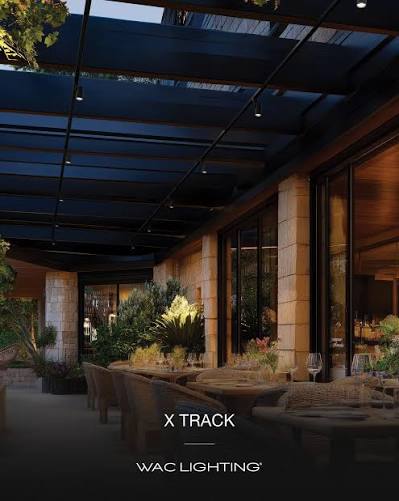
WAC Group/AiSPIRE to Introduce Advanced Lighting and Connectivity Technologies at CEDIA Expo 2026
WAC Group/AiSPIRE will be appearing at booth #1323 at CEDIA Expo 2026 with its latest in advanced lighting…
Briefs July 21
New Energy Audio Distribution (NEAD) Enters United States, Canadian Markets
The new premium audio distributor currently holds a portfolio including the likes of Jamo and Juke Audio as…
News July 21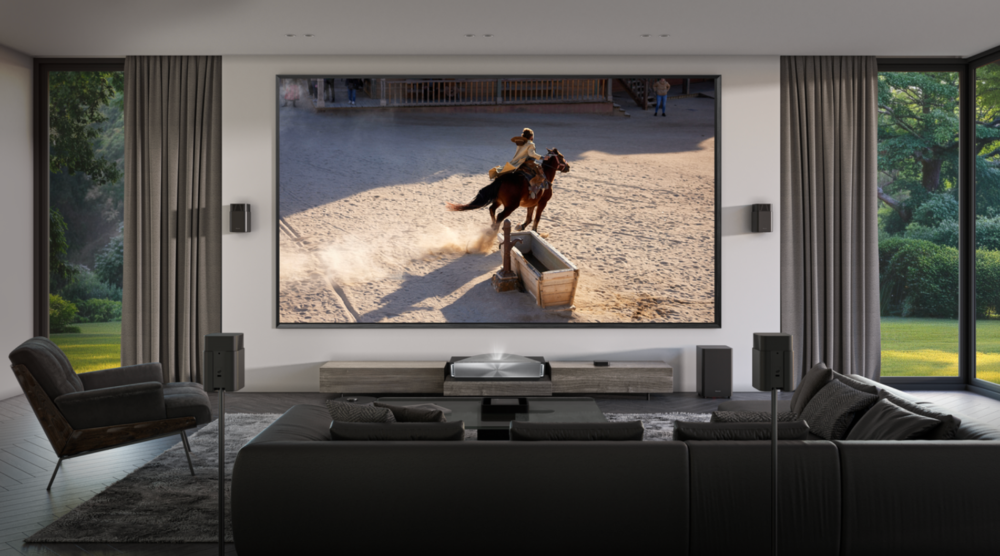
Hisense PX4 Pro Brings Premium Cinema and Big-Screen Entertainment Home
The Hisense PX4 Pro brings the brand's TriChroma RGB technology to an ultra short throw design built for…
Products July 21
Bringing the Premium Indoor Experience Outdoors with Coastal Source
Jason Sanders, VP of Product Management at Coastal Source talks on translating premium indoor experience into outdoor environments.
July 20
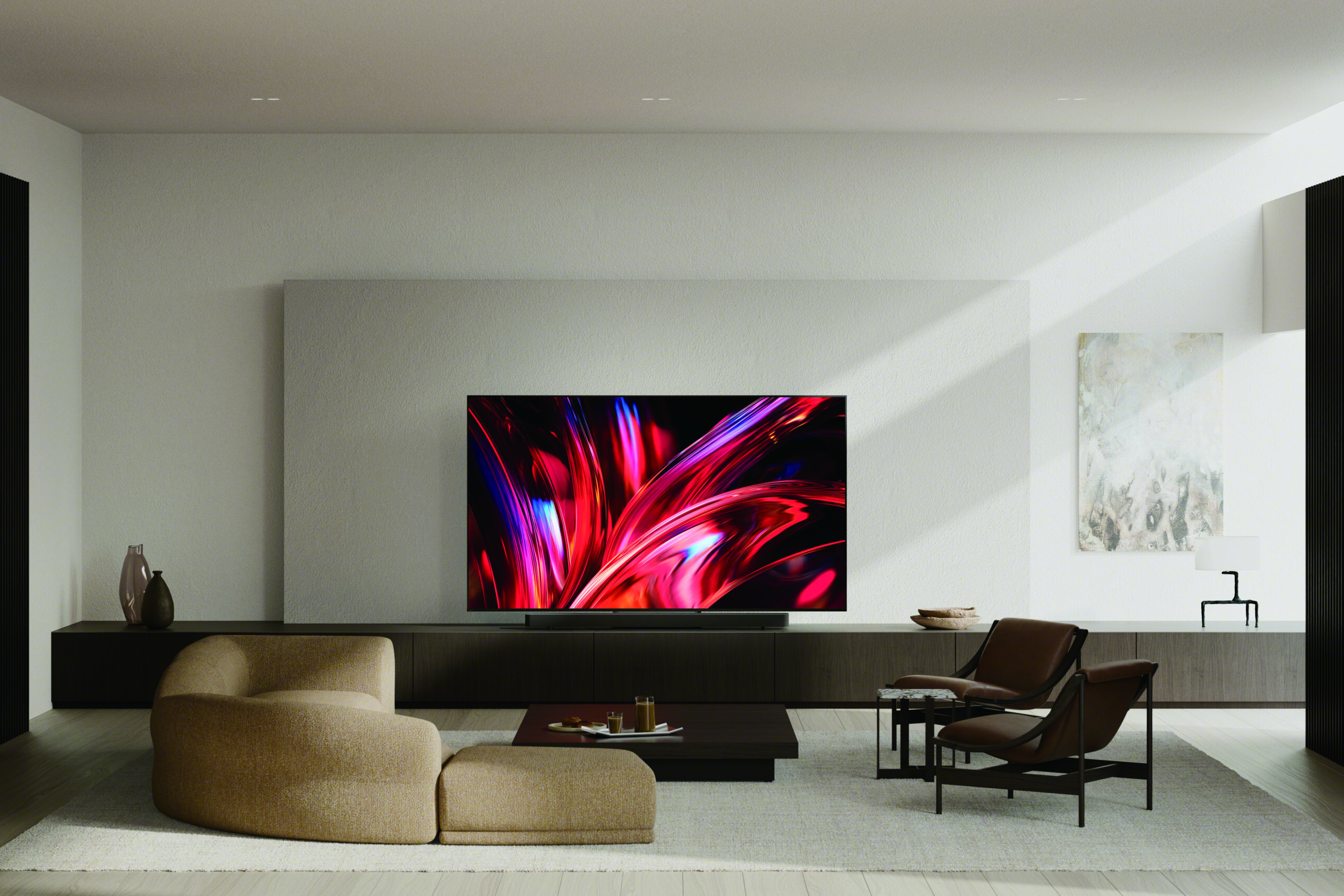
Samsung, Sony Crowned Kings of OLED and RGB in Value Electronics 2026 TV Shootout
Industry experts met in New York to test, compare and evaluate the premium TVs in categories evaluating Linearity,…
News July 21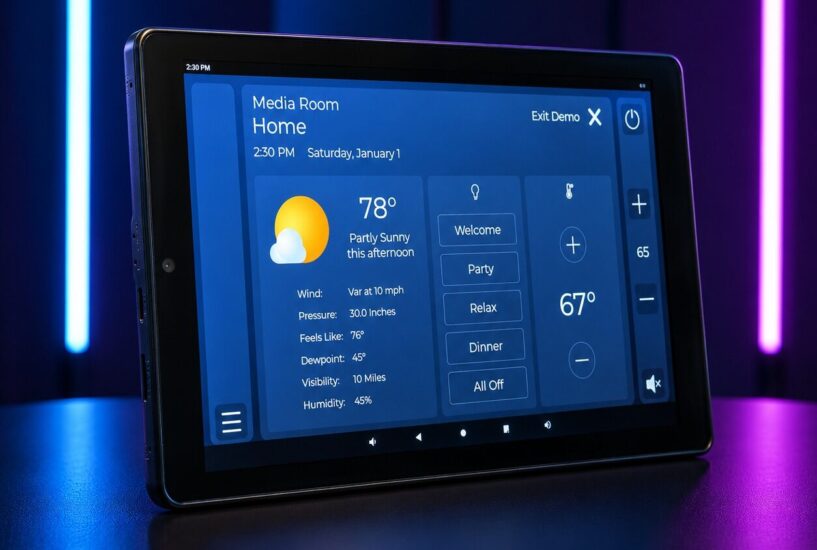
Axion Launches V3 Android PoE Touch Screen Lineup for Residential and Commercial Integration
Axion Lighting has introduced its V3 Android PoE Touch Screen lineup for residential and commercial integration projects.
News July 17
Origin Acoustics Expands Residential Audio Lineup with A850 and A1650 Distributed Audio Amplifiers
Origin Acoustics has introduced the A850 and A1650 distributed audio amplifiers, expanding its amplineup with new installer-focused models.
News July 16
From Startup to 40 Locations: How CEDIA Expo Helped Shape Daisy’s Growth
Daisy CEO Hagan Kappler shares how CEDIA Expo helped launch the company's growth, from its first franchise partnership…
News July 16
OpenAI Reportedly Developing Screen-Free AI Companion for Smart Home
OpenAI is reportedly developing an AI device designed to control smart home devices and deliver personalized assistance, according…
News July 15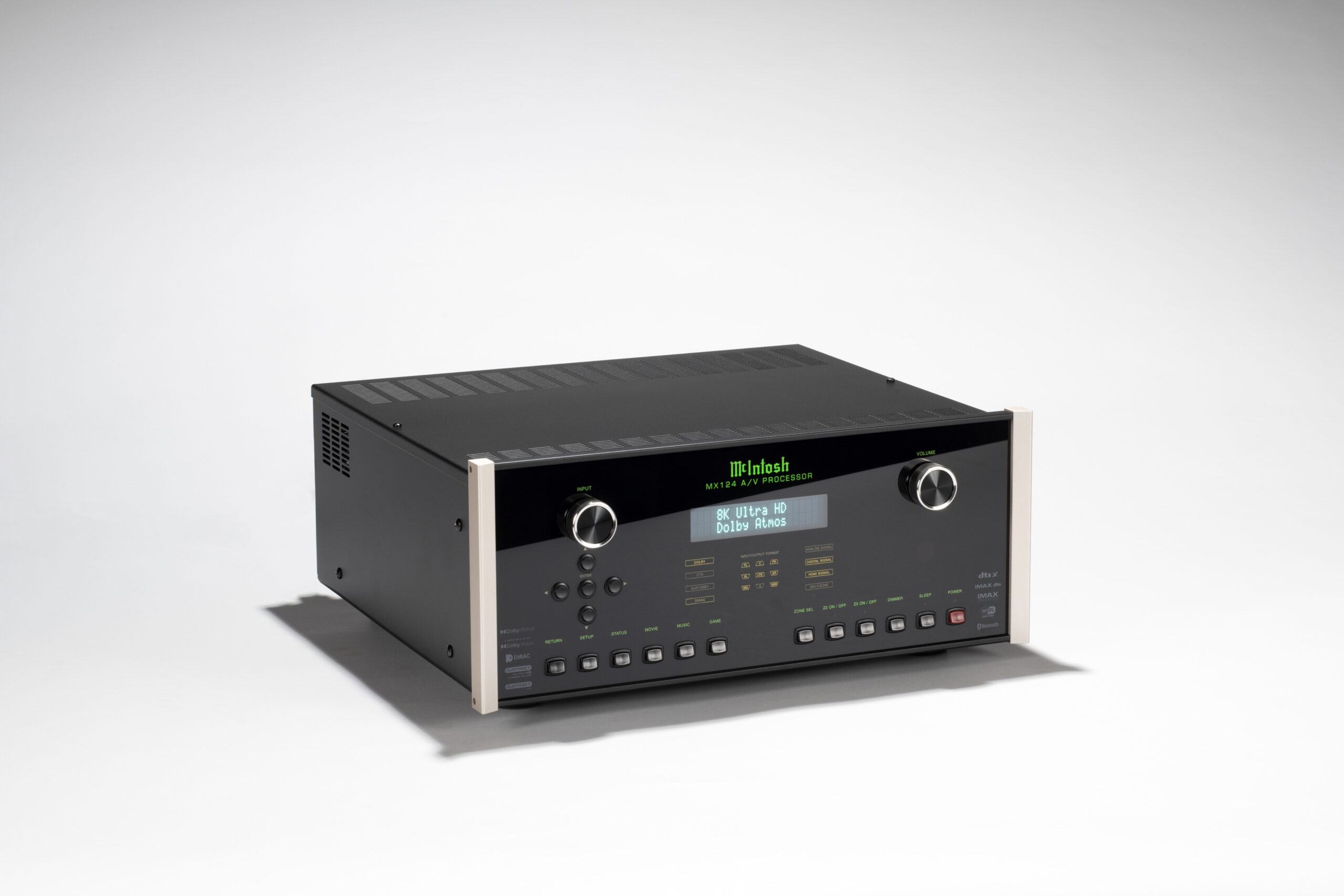
McIntosh Launches MX124 A/V Processor with 13.4 Channels, 8K Video Support
McIntosh has introduced the MX124 A/V Processor with 13.4-channel processing, 8K video support and installer-focused integration features.
News July 15Latest Products