An Installer’s Guide to Selling Audio
How to create a comfortable atmosphere and excitement for your customers.
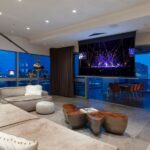
Dennis Sage Home Entertainment (showroom seen here) offers top-of-the-line audio equipment and uses sales techniques to match.
Growing home audio systems sales isn't easy.
Unfortunately for integrators, there are a number of obstacles that need to be overcome.
A general lack of knowledge of the category, a lack of enthusiasm to sell it, an emphasis on video and the stigma surrounding audio and audiophiles have created an intimidating sales experience for non-hobbyist consumers.
But these obstacles are not insurmountable. They can be overcome.
Contrary to propaganda floated by organizations like the Recording Industry Association of America (RIAA), Americans are still very interested and entertained by music.
What has changed, however, is how people listen to music.
In the golden era of stereo, consumers frequenting their favorite music stores drove sales and spawned an enthusiast sector that today calls its members audiophiles. Now, like then, the goal of audiophiles is to achieve a level of fidelity as close to the original musical performance as possible.
Today, consumer preference is different.
Most of the general public isn't consumed with the audiophile hobby of critical listening. Music makes up just one piece of the entertainment puzzle, which also includes TV, Internet and video games.
The solution the electronics community has come up with to address this multifaceted trend has been digital music, which allows users to listen at home, in the car and everywhere in between.
Fueled by such devices as Apple iPods, MP3 players, cell phones and laptop computers, as well as technologies like Apple's iTunes software and other Web-based download services, consumers now have the freedom to listen wherever they want, whenever they want.
With that said, there are many consumers, particularly in the home buying/homeowner demographic, willing to invest in a quality home audio system. Moreover, there are dealers that can make those high-end audio dreams come true -- if, that is, they take a few things into consideration.
According to Richard Stoerger, vice president and COO of Audio Design Associates (ADA), the commitment to increase audio sales needs to start at the highest levels of an electronics company.
Stoerger says the best way to create a successful selling atmosphere is to establish a set of expectations that covers every aspect of a company's operations.
"If they are not willing to let quality and performance guide their model, then they better be ready to do cheaper installations, faster and more efficiently, and in greater numbers," he says.
"If, however, they want to keep tighter controls on the size of the business and advert risk, then focusing on selling better products will be integral to their business model."
Stoerger says that implementing a best-in-class type of philosophy can help you stay in business. Selling performance lines, he explains, can produce more employee enjoyment, significantly more profits and greater customer satisfaction.
Shifting market conditions are affecting the way many installers and specialty dealers approach their sales, Stoerger says.
"Motivation is part of the problem in that dealers become complacent with the lines that they sell," he explains. "Many lines have, in recent years, moved their products downstream to take a bigger piece of the ever-growing custom installation pie.
"Unfortunately, the dealers who are capable of selling the better and, notably, more expensive products now often find themselves selling products that throw off less profit than their prior model or, in the worst case, find themselves in an apples-to-apples comparison, where they are bidding a manufacturer's expensive performance component against their less expensive, newer model."
Stoerger says, for these dealers, "differentiation will be the key and once you go down this path, education will be integral."
Whether it's science or business, attitude is everything. In the 1940s and 1950s, psychologist B.F. Skinner developed a set of analytic theories that helped form what he called the "operant condition."
Unfortunately for integrators, there are a number of obstacles that need to be overcome.
A general lack of knowledge of the category, a lack of enthusiasm to sell it, an emphasis on video and the stigma surrounding audio and audiophiles have created an intimidating sales experience for non-hobbyist consumers.
But these obstacles are not insurmountable. They can be overcome.
Music is Part of the Entertainment Experience
Contrary to propaganda floated by organizations like the Recording Industry Association of America (RIAA), Americans are still very interested and entertained by music.
What has changed, however, is how people listen to music.
In the golden era of stereo, consumers frequenting their favorite music stores drove sales and spawned an enthusiast sector that today calls its members audiophiles. Now, like then, the goal of audiophiles is to achieve a level of fidelity as close to the original musical performance as possible.
Today, consumer preference is different.
Most of the general public isn't consumed with the audiophile hobby of critical listening. Music makes up just one piece of the entertainment puzzle, which also includes TV, Internet and video games.
The solution the electronics community has come up with to address this multifaceted trend has been digital music, which allows users to listen at home, in the car and everywhere in between.
Fueled by such devices as Apple iPods, MP3 players, cell phones and laptop computers, as well as technologies like Apple's iTunes software and other Web-based download services, consumers now have the freedom to listen wherever they want, whenever they want.
With that said, there are many consumers, particularly in the home buying/homeowner demographic, willing to invest in a quality home audio system. Moreover, there are dealers that can make those high-end audio dreams come true -- if, that is, they take a few things into consideration.
Use a Good-Better-Best Strategy
According to Richard Stoerger, vice president and COO of Audio Design Associates (ADA), the commitment to increase audio sales needs to start at the highest levels of an electronics company.
Stoerger says the best way to create a successful selling atmosphere is to establish a set of expectations that covers every aspect of a company's operations.
"If they are not willing to let quality and performance guide their model, then they better be ready to do cheaper installations, faster and more efficiently, and in greater numbers," he says.
"If, however, they want to keep tighter controls on the size of the business and advert risk, then focusing on selling better products will be integral to their business model."
Stoerger says that implementing a best-in-class type of philosophy can help you stay in business. Selling performance lines, he explains, can produce more employee enjoyment, significantly more profits and greater customer satisfaction.
Shifting market conditions are affecting the way many installers and specialty dealers approach their sales, Stoerger says.
"Motivation is part of the problem in that dealers become complacent with the lines that they sell," he explains. "Many lines have, in recent years, moved their products downstream to take a bigger piece of the ever-growing custom installation pie.
"Unfortunately, the dealers who are capable of selling the better and, notably, more expensive products now often find themselves selling products that throw off less profit than their prior model or, in the worst case, find themselves in an apples-to-apples comparison, where they are bidding a manufacturer's expensive performance component against their less expensive, newer model."
Stoerger says, for these dealers, "differentiation will be the key and once you go down this path, education will be integral."
Create a Comfortable Sales Environment
Whether it's science or business, attitude is everything. In the 1940s and 1950s, psychologist B.F. Skinner developed a set of analytic theories that helped form what he called the "operant condition."
Subscribe to the CE Pro Newsletter
About the Author

Robert Archer, Senior Editor, CE Pro
Bob is an audio enthusiast who has written about consumer electronics for various publications within Massachusetts before joining the staff of CE Pro in 2000. Bob is THX Level I certified, and he's also taken classes from the Imaging Science Foundation (ISF) and Home Acoustics Alliance (HAA). In addition, he's studied guitar and music theory at Sarrin Music Studios in Wakefield, Mass.


Post a comment