Think about the last time a high-end client walked into your showroom or sat across from you at a table. They weren’t thinking about the brand of the remote, or the specific number of speakers for their ceiling. They were thinking about how their home should feel and whether you and your company were the right person to deliver that feeling.
Oftentimes, integrators lose deals because of the gap between what we love to talk about and what clients actually care about. After more than two decades running a home automation and integration company, I’ve learned that the single most important sales skill in this business isn’t running through your product catalog – it’s knowing how to turn that catalog into something a luxury buyer already speaks fluently: results.
High-end clients do not buy equipment – they buy experiences. Here’s how to shift the conversation and gain more business by speaking the language your buyers already understand.
Why Specs Lose the Room
When we lead a client conversation with specs such as channel counts, wattage ratings or measurements, we are asking them to care about something they have no framework to evaluate. High-end buyers are sophisticated consumers, but their expertise is in recognizing and expecting quality. They’ve bought a brand-new home without knowing the strength of the steel. They’ve chartered a trip to Italy without knowing the plane’s fuel usage. In every luxury category of their life, they buy the experience and trust experts to handle the specific engineering.
When we bury the lead in specs, we’re unintentionally signaling that we don’t quite understand who we’re talking to.
Base the Conversation Around the Experience
The shift is easier than it sounds. It starts with asking better questions before you even speak about your products, such as: What does a perfect Saturday morning in your house look like for you? What area do you prefer to entertain in, and what does that space feel like right now versus how you’d like it to feel? When guests walk through the door, what’s the first impression you’re wanting to receive?
These are strategic questions that provide you with the design brief you actually need, and they help shift the client’s mental state from “buying equipment” to “investing in how I live.” Once that state of mind is set, every product recommendation becomes a solution to something they care about, not just another line item on a quote.
This can be accomplished by switching the language of specifications for the language of living. Instead of “a centralized lighting control system,” try “Your home shifts its mood with you. Dinner feels like a night out at your favorite spot. Movie night feels like you are at the theater.”
Speaking the Language of Luxury
Luxury buyers aren’t all the same, but they do share a common logic when it comes to purchases. They are accustomed to paying high premiums, not for ingredients but for results, and for the confidence that comes with working with people who truly are experts in their field. They buy from people who make them feel understood and heard.
At Acoustic Design Systems, we’ve learned to structure our client conversations the way a hospitality brand structures guest experiences – lead with what the client will feel, earn their trust with expertise along the way, and let the technical details serve as reassurance rather than the focal point.
With high-end clients, share that the goal isn’t for them to notice the technology, but to notice how much better their home feels without ever having to think about why. It positions technology as something that serves their life rather than complicates it, while immediately differentiating you from every other integrator who walks in laser-focused on a spec sheet.
The Demo That Closes
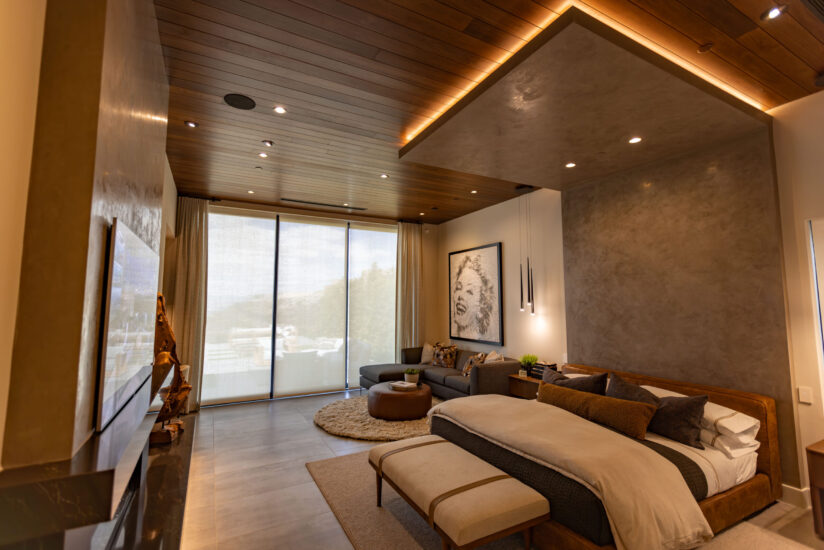
Technology demos should be designed as an experience, not a test drive. Walk your client through what Saturday evening feels like – shades lowering automatically as the sun shifts, lighting softening into warm tones, music transitions from a workday playlist to dinner party tunes. Stop explaining the system and instead let them experience a home that seems to understand them.
The clients who resist spec-heavy language connect with this kind of demo because suddenly they’re not evaluating a product, but instead they’re seeing how their lifestyle could be simplified.
The Integrator Who Wins Is a Translator
Our job at its core is translation – taking the latest technology and turning it into extraordinary living. The integrators who build lasting businesses in the luxury market aren’t always those with the deepest product knowledge and most high-end tech, but those who realize that every client conversation is an opportunity to show that you really understand what they want.
Outline what they’re investing in, not what they’re buying. Lead with the life they are envisioning and let the technology follow.
Christoper Sterle is founder of Las Vegas-based Acoustic Design Systems, a provider of commercial and residential home automation and security solutions.