Every year, the Consumer Electronics Association (CEA) issues a report predicting the top five technologies to watch over the next 12 months.
For most integrators, the annual response is "BFD" since, several times, the technologies have been geared toward divergent markets, like car audio, portable electronics or iPod accessories.
So, for the past three years, CE Pro has taken the opportunity to offer up its own "Top 5 Technologies to Watch for the Custom Industry," mirroring the efforts of CEA, but with a more direct application for dealers.
For example, we identified video monitoring, HDMI, IPTV, Retrofits and Gaming as the technologies poised for breakout years in 2008.
This year, however, the CEA's Top 5 Technologies are all extremely applicable to integrators; thus, CE Pro is offering a glimpse into the custom applications of CEA's selections.
Command & Control Technologies
Integration companies have led the way in making touchpanels a more common application for homeowners.
While it's likely that every integrator has installed a touchpanel in his or her career, it's still a fact that most homeowners do not have a single touchpanel in their homes.
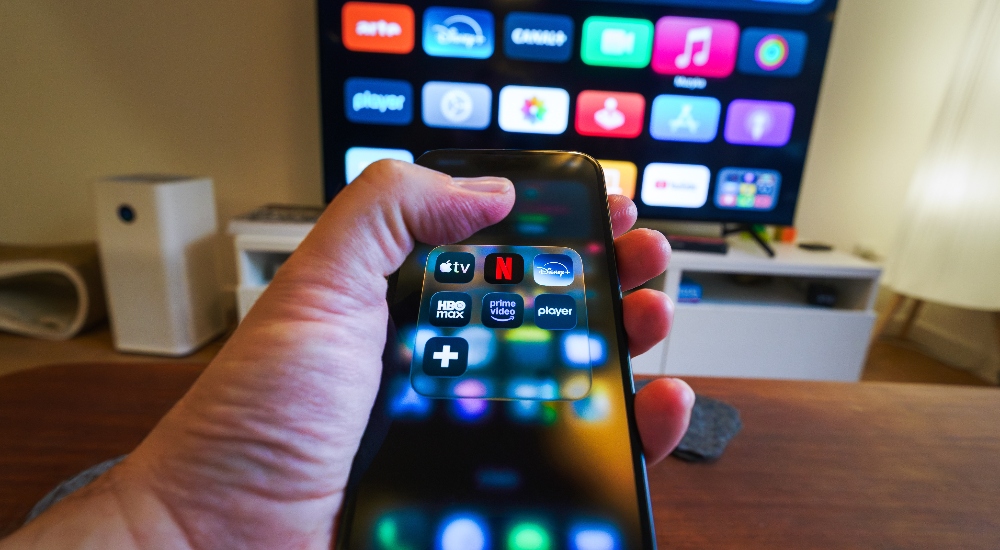
According to CEA, that is about to change, as consumers become more accustomed to iPod-like interfaces (fingertip control) as well as to motion sensing/gesture recognition technology (like in Wii).
The category will also be led by the proliferation of gaming consoles in the home that will make touchpanels more commonplace.
Finally, tactile feedback (identified by CEA with the term Haptics) that employs force feedback to the user will move out of the video gaming realm into remote controls, lighting controls and whole-house controls.
According to Sean Wargo of consultancy The Market Sage, homeowners' interest in touchapanels and motion-sensing controls will increase in correspondence with the increasing size of the household's TV display.
What It Means to You: For dealers, this trend means you should never be wary of offering a touchpanel solution to a customer due to costs.
They will soon be expecting it. By the way, men like touchpanels more than women, according to research.
Connectivity in the Kitchen
The
kitchen is the busiest room in a house. So, why is it void of technology?
According to CEA research, consumers place the same level of importance on purchasing an energy efficient appliance for the kitchen as they do on recycling in general.
CEA foresees much more
connectivity coming to the kitchen in the form of a computer. "The kitchen is poised to become the front line for coordination of activities, home automation and control, and information," CEA says.
Studies show that consumers under the age of 60 report being likely to put a computer in the kitchen. According to CEA data:
- 56 percent of young adults say they are likely to watch a movie in the kitchen
- 44 percent of all adults want to watch cooking shows on demand via a kitchen computer
- 48 percent of young adults report wanting to see coupons on a computer in the kitchen.
What It Means to You: For integrators, running multiple structured wiring drops to the kitchen should be a no-brainer by now (along with wireless signal availability).
So, work with your kitchen designers to create TV and computer niches.
Display Technology Advancement
Within the display category, CEA sees several trends, all of which affect dealers.
The first is
energy efficiency. The average plasma TV draws 40 watts of continuous power when it's off and 120 watts when it is on.
Manufacturers are working to decrease that power consumption dramatically. One option is a
solar-powered LCD being developed by Sharp.
Shockingly, 89 percent of consumers say a more energy-efficient TV is No. 1 on their "wish list" for the next TV they buy.
The second prominent display trend is 1080p proliferation and super-thin TVs. CEA believes 55 percent of all HDTVs sold in 2009 will be 1080p. Likewise, the association says thinner TVs may entice households to upgrade to Blu-ray players and subscribe to HD channels.
Other TV trends include:
- Internet-connected displays (71 percent of consumers want to download movies directly onto their TV)
- 3-D TV (32 percent of consumers are interested in them)
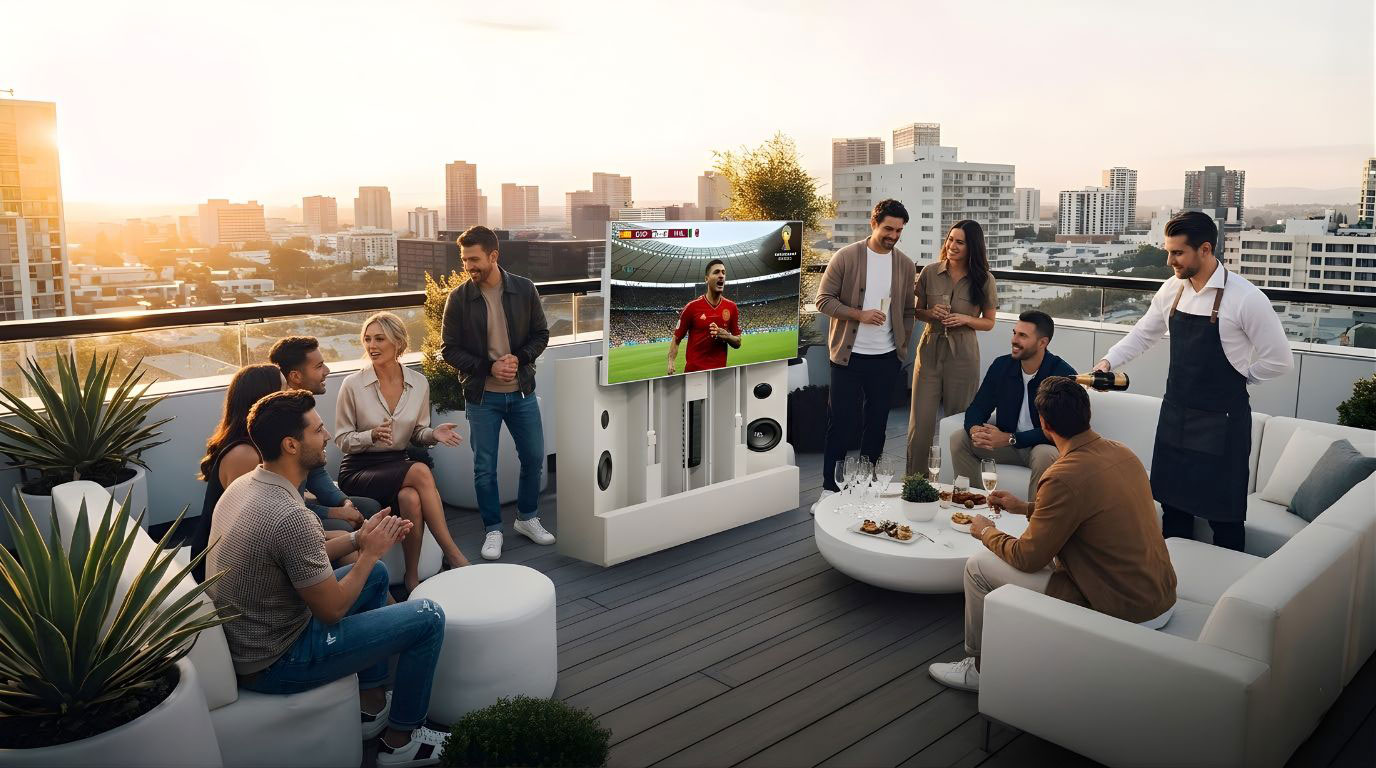
- Outdoor televisions (20 percent of consumers want one)
What It Means to You: All of this applies to how you sell TVs to your customers. Don't be afraid to disclose the power draw of the electronics you put in the home.
It can serve to open the door for you to sell new systems that track power consumption and can systematically shut down electrical circuits.
Web 3.0
Of all CEA's selections, this one appears to have the least application to dealers.
In essence, it means that what consumers see on Web sites will be patterned by their own Web habits.
For example, if a customer surfs the Web for automotive stuff, then, when he later visits your Web site, the ads he sees will pertain to his automotive searching.
Thus, Web advertising will become increasingly user specific -- making it, arguably, a much more direct medium for advertisers.
What It Means to You: Collect as much data on your clients as you can: favorite sports teams, hobbies, birthdays, political affiliation, etc.
All of this will benefit you in your ability to market to them with targeted e-mail newsletters and online content.
Digital Medical Advancements & Diagnosis
CE Pro has written about opportunities in telemedicine applications for several years. Indeed, we selected it as a "Technology to Watch" a few years ago.
CEA now forecasts that
digital telemedicine is poised for a breakthrough.
These technologies mean consumers can consult online or via a webcam with a doctor, have their blood sugar and other key vital signs tracked remotely and even compete against others in treadmill races via the Net.
What It Means to You: First off, home healthcare telemedicine means the home will need another high-speed connection point. It is also an opportunity to sell such devices as glucometers and blood pressure gauges.
Finally, tracking your clients' vital signs will mean recurring monthly revenue in the form of monitoring fees.