Intercom Systems Explained
Fred Harding explains the fundamentals of intercom systems.
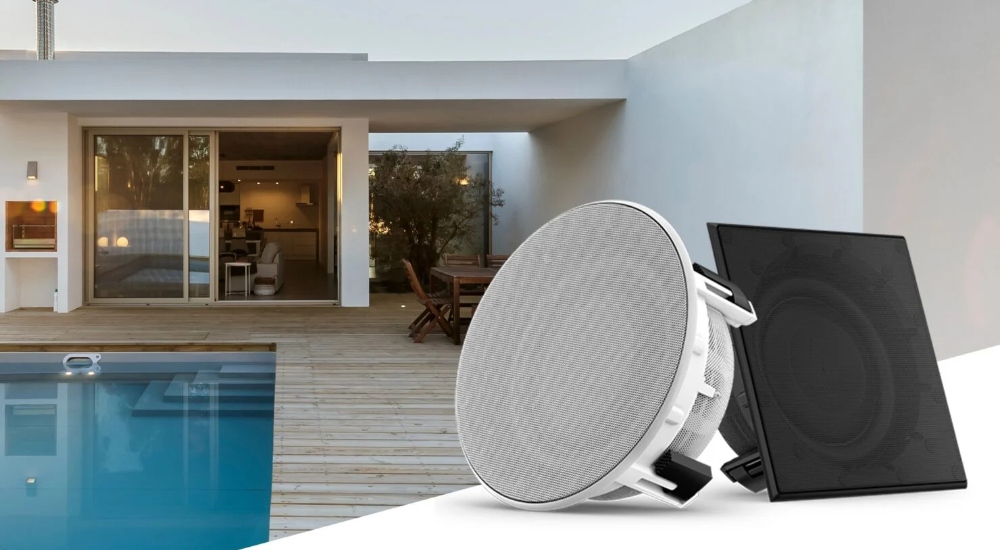
The AudioAccess WHEN multiroom audio system also acts as a whole-house intercom system.
Intercom systems have been available to homeowners for many years from a variety of manufacturers. Companies like NuTone, M&S, Bogen and Aiphone (to name a few) have done a nice business in giving folks the ability to call their kids down to dinner.
Over the years, systems have gotten more sophisticated in cosmetics, performance and ease of installation, but there is still a place for intercoms in the custom installation marketplace.
Intercoms operate in several different manners. The simplest type of intercom is a point-to-point style. It allows one user to call another user and communicate. If both parties can talk at the same time, it's considered a duplex style of system.
If one person talks while the other system listens, it's called a half-duplex system. Many intercom systems offer a feature called hands-free talk-back, where a room that is called by another doesn't require touching anything to respond. That's handy in many residential applications.
One typical application for a point-to-point style of intercom is a door station calling into a central location. If it's a home, choose carefully which room you're going to have the internal station located. Frequently, a kitchen location is the logical choice for that application. Other locations for this type of intercom system are more of a commercial nature -- the delivery door out back calling into the front desk or kitchen, for example.
The next style of intercom system will have a central master station and a number of remote stations. The operational protocol here is that the master can select any specific room it wants to talk to and call it. It can make an all page call to every station.
If equipped, a door station can make an "all-call." Remote stations can either call to the master or make an all-call. Most systems allow individuals in remote rooms to go into a "do not disturb" mode, so if it's nap time, an all-call doesn't disturb them.
If the idea of any-point-to-any-point communication appeals to your customer, this type of system is not likely to work. However, if you have a builder and/or client who is interested in having an intercom system but is budget conscious, this style of system may be perfect.
As you are specifying intercom systems, knowing the size limitations that different brands offer is important. Some systems allow up to 12 remote stations, while others can grow up to 36 stations. Door stations may or may not tally in the remote station count, so be clear on that specification before completing the quote.
The most elaborate style of intercom system will be one that essentially has all masters. With an all-master system, any room can call any other room. "All page" capability allows for whole-house notification of dinner time. Doors can be answered from any station. Nap time is accommodated with do-not-disturb functionality.
Most systems on the market use speakers on the intercom stations. They tend to be small, and adequate for reproducing voice. There are some systems that allow music playback through the intercom speakers. It would be difficult to claim high fidelity reproduction for most of those systems. If you want to keep your ear on the radio, they'll do well.
If, however, your customer wants to have more volume, better fidelity, stereo sound, or a combination thereof, you'll have to consider either having a more robust style of intercom or having complementary systems. The issue with complementary systems is hearing the intercom when the tunes are cranked.
Ideally, the system would be smart enough to mute the music while the intercom message played. Fortunately, there are at least two brands on the market -- Russound and AudioAccess -- that can facilitate music being overridden by intercom.
Both the Russound and AudioAccess systems use the in-room stereo speakers to play the intercom message as well as the music source selected. The Russound system has an optional, single-gang decora speaker available if intercom functionality is desired but no speakers exist in the room.
Another option available for intercom functionality is a telephone-based system. Telephone systems that use a Key Serving Unit (also known as a KSU) offer a great deal of functionality. They can certainly answer incoming phone calls, but nearly all can also offer station-to-station calling as well, not to mention an all-call function.
Most systems offer at least one or two door station intercom capabilities as well. Since customers have to have phones in the home in most cases anyway, phone systems are a viable alternative.
A variation on the phone system concept that has become increasingly popular in recent years is multi-handset cordless phones. These systems often offer a single-base unit and between up to 8 to 12 cordless handsets. These systems then allow the customer to go through a sequence of button pushes to communicate to individual rooms.
Some of these systems offer hands-free talk-back on the handsets. Frequently, the multi-handset cordless systems can use an aftermarket door intercom system, but confirm with your supplier before specifying that to your customers.
Be aware that the handsets will get dropped, be drown, eaten by the dog or fail for other reasons, and the manufacturer may not have the handsets in stock when that occurs. At that point, your client will be forced to replace the entire system.
There are occasions when your customer may want to do an all-call through an existing, whole-house audio system. Some systems offer a paging port to facilitate that function, and some do not. It's a feature that is difficult to add after the fact at an affordable price. The tricky part with this type of paging port is finding the point of origination.
In other words, the telephone system or telephone base needs to have an output port to feed the input port on the audio system. There are some alternatives available for systems that don't have paging ports to allow paging, notably from Viking Electronics. Check with appropriate technical support before specifying.
Fred Harding is in sales and technical support at Capitol Sales (http://www.capitolsales.com), a full service distributor of electronic installation hardware.
Over the years, systems have gotten more sophisticated in cosmetics, performance and ease of installation, but there is still a place for intercoms in the custom installation marketplace.
Intercoms operate in several different manners. The simplest type of intercom is a point-to-point style. It allows one user to call another user and communicate. If both parties can talk at the same time, it's considered a duplex style of system.
If one person talks while the other system listens, it's called a half-duplex system. Many intercom systems offer a feature called hands-free talk-back, where a room that is called by another doesn't require touching anything to respond. That's handy in many residential applications.
Locations and Stations
One typical application for a point-to-point style of intercom is a door station calling into a central location. If it's a home, choose carefully which room you're going to have the internal station located. Frequently, a kitchen location is the logical choice for that application. Other locations for this type of intercom system are more of a commercial nature -- the delivery door out back calling into the front desk or kitchen, for example.
The next style of intercom system will have a central master station and a number of remote stations. The operational protocol here is that the master can select any specific room it wants to talk to and call it. It can make an all page call to every station.
If equipped, a door station can make an "all-call." Remote stations can either call to the master or make an all-call. Most systems allow individuals in remote rooms to go into a "do not disturb" mode, so if it's nap time, an all-call doesn't disturb them.
If the idea of any-point-to-any-point communication appeals to your customer, this type of system is not likely to work. However, if you have a builder and/or client who is interested in having an intercom system but is budget conscious, this style of system may be perfect.
As you are specifying intercom systems, knowing the size limitations that different brands offer is important. Some systems allow up to 12 remote stations, while others can grow up to 36 stations. Door stations may or may not tally in the remote station count, so be clear on that specification before completing the quote.
The most elaborate style of intercom system will be one that essentially has all masters. With an all-master system, any room can call any other room. "All page" capability allows for whole-house notification of dinner time. Doors can be answered from any station. Nap time is accommodated with do-not-disturb functionality.
Most systems on the market use speakers on the intercom stations. They tend to be small, and adequate for reproducing voice. There are some systems that allow music playback through the intercom speakers. It would be difficult to claim high fidelity reproduction for most of those systems. If you want to keep your ear on the radio, they'll do well.
If, however, your customer wants to have more volume, better fidelity, stereo sound, or a combination thereof, you'll have to consider either having a more robust style of intercom or having complementary systems. The issue with complementary systems is hearing the intercom when the tunes are cranked.
Ideally, the system would be smart enough to mute the music while the intercom message played. Fortunately, there are at least two brands on the market -- Russound and AudioAccess -- that can facilitate music being overridden by intercom.
Both the Russound and AudioAccess systems use the in-room stereo speakers to play the intercom message as well as the music source selected. The Russound system has an optional, single-gang decora speaker available if intercom functionality is desired but no speakers exist in the room.
Phone-based Systems
Another option available for intercom functionality is a telephone-based system. Telephone systems that use a Key Serving Unit (also known as a KSU) offer a great deal of functionality. They can certainly answer incoming phone calls, but nearly all can also offer station-to-station calling as well, not to mention an all-call function.
Most systems offer at least one or two door station intercom capabilities as well. Since customers have to have phones in the home in most cases anyway, phone systems are a viable alternative.
A variation on the phone system concept that has become increasingly popular in recent years is multi-handset cordless phones. These systems often offer a single-base unit and between up to 8 to 12 cordless handsets. These systems then allow the customer to go through a sequence of button pushes to communicate to individual rooms.
Some of these systems offer hands-free talk-back on the handsets. Frequently, the multi-handset cordless systems can use an aftermarket door intercom system, but confirm with your supplier before specifying that to your customers.
Be aware that the handsets will get dropped, be drown, eaten by the dog or fail for other reasons, and the manufacturer may not have the handsets in stock when that occurs. At that point, your client will be forced to replace the entire system.
There are occasions when your customer may want to do an all-call through an existing, whole-house audio system. Some systems offer a paging port to facilitate that function, and some do not. It's a feature that is difficult to add after the fact at an affordable price. The tricky part with this type of paging port is finding the point of origination.
In other words, the telephone system or telephone base needs to have an output port to feed the input port on the audio system. There are some alternatives available for systems that don't have paging ports to allow paging, notably from Viking Electronics. Check with appropriate technical support before specifying.
Fred Harding is in sales and technical support at Capitol Sales (http://www.capitolsales.com), a full service distributor of electronic installation hardware.
Subscribe to the CE Pro Newsletter
Read more Conferencing stories
Crestron Addresses Digital Technologies Through Certification Program13 Install-Friendly Digital Signage/Commercial Video Products
Belkin Enables Long Distance Digital Signage Connectivity
Doorbell Fundamentals: Opportunity is Knocking
Paging Fundamentals: Ducking, Muting and More
More in Conferencing
About the Author

Fred Harding is in sales and technical support at Capitol Sales, a full service distributor of electronic installation hardware.


Post a comment