Armour Wins A-BUS Patent Lawsuit Against LeisureTech
Court revokes A-BUS patent for multiroom audio over Cat-5 in favor of makers of QED Audio Products.
The U.K.-based Armour Group has won its patent battle against LeisureTech Electronics over an A-BUS multiroom audio over Cat-5 distribution technology platform.
The Royal High Court of Justice revoked LeisureTech's claim saying the patent "is insufficient because [it] covers systems with amplifiers rated at 30 Watts per channel and higher."
The result of the lawsuit, which has been ongoing for two years, is surprising because Australia-based LeisureTech has defended its patent in other cases around the world.
LeisureTech earned the contentious U.S. patent in February 2007 after a seven-year fight. LeisureTech says it's "baffled" by the decision and is considering an appeal.
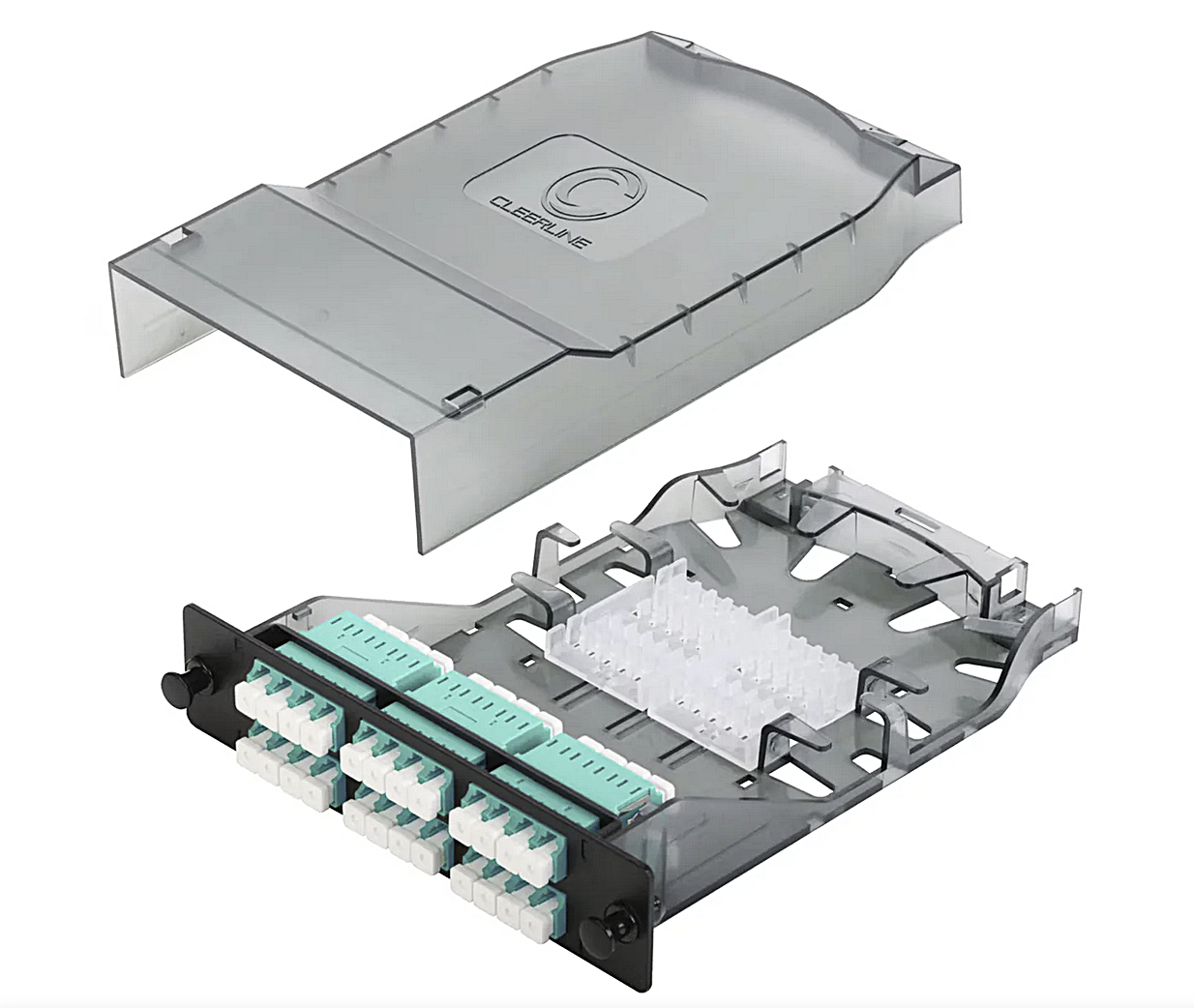
LeisureTech's A-BUS technology uses a single Cat-5 cable to carry signal, data, infrared (IR), status and power. The technology enables short cable runs between an amplifier and speaker to minimize signal loss.
Systemline from QED Audio Products, a division of Armour, is a system that sends signals over Cat-5 at a different level of amplification. The company contended that LeisureTech's patent lacked substance because it was only a simple modification of existing systems.
Armour chief executive George Dexter says he's "delighted with the result and whilst I have been quietly confident about the outcome, it is nice to have the judgment.
"We have always believed this to be an unnecessary dispute and have gone to great lengths over the past two or so years to negotiate with LeisureTech to avoid the expense and distraction of a full court hearing. However, these efforts failed, we ended up in Court and have now won."
LeisureTech contends that Armour was unwilling to resolve the matter out of court, saying in a statement that it had gone to "great lengths" to resolve the matter.
Dexter says the "matter is not quite over yet" because Armour intends to continue to press for the revocation of the A-BUS patent at the European Patent Office.
LeisureTech says in its statement that the decision was "based on peculiarities of the English law and has no impact whatsoever on LeisureTech's patents in Europe, U.S., Canada, Mexico, Australia and New Zealand, which all remain valid and in full force and effect."
LeisureTech says it's confident Armour Group will not be successful in revoking the European patent.
The company adds that "the inability of the parties to reach a commercial settlement is highly regrettable and as a result Armour's Systemline Modular products remain effectively locked out of the U.S. and other markets where LeisureTech holds a valid patent."
One overseas report says LeisureTech was going to be subject to "millions of dollars" in damages. A spokesperson for LeisureTech denies that claim, saying the result of the decision simply means it loses its English patent and the only financial repercussions are the legal fees.
The Royal High Court of Justice revoked LeisureTech's claim saying the patent "is insufficient because [it] covers systems with amplifiers rated at 30 Watts per channel and higher."
The result of the lawsuit, which has been ongoing for two years, is surprising because Australia-based LeisureTech has defended its patent in other cases around the world.
LeisureTech earned the contentious U.S. patent in February 2007 after a seven-year fight. LeisureTech says it's "baffled" by the decision and is considering an appeal.
LeisureTech's A-BUS technology uses a single Cat-5 cable to carry signal, data, infrared (IR), status and power. The technology enables short cable runs between an amplifier and speaker to minimize signal loss.
Systemline from QED Audio Products, a division of Armour, is a system that sends signals over Cat-5 at a different level of amplification. The company contended that LeisureTech's patent lacked substance because it was only a simple modification of existing systems.
Weighing in on the Decision
Armour chief executive George Dexter says he's "delighted with the result and whilst I have been quietly confident about the outcome, it is nice to have the judgment.
"We have always believed this to be an unnecessary dispute and have gone to great lengths over the past two or so years to negotiate with LeisureTech to avoid the expense and distraction of a full court hearing. However, these efforts failed, we ended up in Court and have now won."
LeisureTech contends that Armour was unwilling to resolve the matter out of court, saying in a statement that it had gone to "great lengths" to resolve the matter.
Dexter says the "matter is not quite over yet" because Armour intends to continue to press for the revocation of the A-BUS patent at the European Patent Office.
LeisureTech says in its statement that the decision was "based on peculiarities of the English law and has no impact whatsoever on LeisureTech's patents in Europe, U.S., Canada, Mexico, Australia and New Zealand, which all remain valid and in full force and effect."
LeisureTech says it's confident Armour Group will not be successful in revoking the European patent.
The company adds that "the inability of the parties to reach a commercial settlement is highly regrettable and as a result Armour's Systemline Modular products remain effectively locked out of the U.S. and other markets where LeisureTech holds a valid patent."
One overseas report says LeisureTech was going to be subject to "millions of dollars" in damages. A spokesperson for LeisureTech denies that claim, saying the result of the decision simply means it loses its English patent and the only financial repercussions are the legal fees.
Subscribe to the CE Pro Newsletter
Read more Legal stories
Leviton Scores Big Patent Win on GFCI TechnologySurvey: Kaleidescape Dealers ‘Not Really’ Worried About Legal Liability
Kaleidescape CEO ‘Shocked’ at Extreme Injunction Against DVD Movie Servers
Kaleidescape, ‘Agents’ Enjoined from Selling, Supporting Movie Servers
UEI Sues URC for Infringing on Remote Control Patents
More in Legal
About the Author

Jason Knott, Editor, CE Pro
Jason has covered low-voltage electronics as an editor since 1990. He joined EH Publishing in 2000, and before that served as publisher and editor of Security Sales, a leading magazine for the security industry. He served as chairman of the Security Industry Association’s Education Committee from 2000-2004 and sat on the board of that association from 1998-2002. He is also a former board member of the Alarm Industry Research and Educational Foundation. He is currently a member of the CEDIA Education Action Team for Electronic Systems Business. Jason graduated from the University of Southern California.


Post a comment