Takeaways
- Outdoor lighting remains one of the most difficult categories of outdoor technology to break into due to competition from landscapers.
- Integrators increasingly finding other trades more receptive to early collaboration, easing labor woes.
- Execution ranked as the most critical aspect to lasting success in outdoor technology.
Outdoor technology projects continue to offer strong growth potential for integrators, but they also come with a unique set of operational challenges that go well beyond product selection. Based on CE Pro’s latest research and conversations with integrators, success in this category is largely determined by when integrators enter the project, how they position their role against competing trades and how effectively they execute in an unforgiving environment.
Lighting Remains a Competitive Battleground
Lighting is one of the most inconsistent categories in outdoor projects, not because of a lack of demand, but because of competition. Landscapers have long controlled this portion of the job, often at lower labor rates that make it difficult for integration firms to compete directly on price.
“I’m still struggling selling landscape lighting because I’m competing with the gardeners selling it,” says Russell Gaskamp, CEO of LA Techs. “Their labor is significantly cheaper than mine.”
Rather than trying to undercut those competitors, some integrators are expanding their scope earlier in the project lifecycle. At ListenUp, for example, the ability to handle electrical work in-house allows the company to secure a larger portion of the project and present a more unified solution to clients.
“We are physically wiring homes for electricity, which gets our foot in the door to sell fixtures,” says Dusty Gorski. “And if there’s any problem in the future, the customer has just one call to make, and that’s a business advantage for us.”
This approach reflects a broader shift, where integrators are finding more success by owning more of the project rather than competing on isolated components.
Want more outdoor technology insights? Download the 2026 CE Pro Outdoor Technology Deep Dive here!
Early Engagement Defines Outcomes
Timing remains one of the most critical factors in outdoor projects. When integrators are brought in late, key infrastructure decisions have often already been made, limiting flexibility and increasing installation complexity.
“I need to know at the wiring phase of the house where I’m going to stub out for TV,” Gorski says, “and where to put these speakers for best audio quality.”
Early involvement allows integrators to plan conduit paths, optimize equipment placement and align technology with the overall design of the space. It also improves coordination with builders, architects and landscape designers, which can lead to larger project scope and fewer compromises.
Outdoor Work Adds Complexity
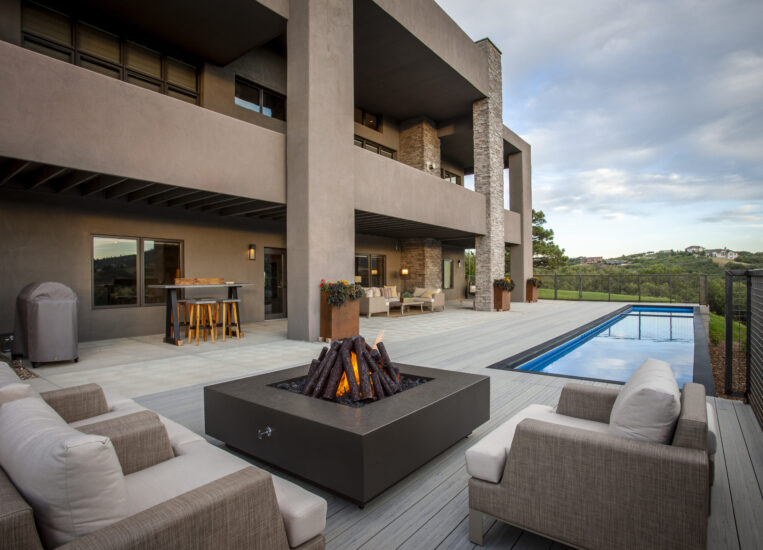
Outdoor environments introduce challenges that are not present indoors. Cable must be buried and protected from landscaping activity, irrigation systems and natural wear, while equipment must withstand exposure to moisture, UV and temperature swings.
These factors increase both labor requirements and the importance of proper specification. Small mistakes can lead to system failures that are more difficult and costly to address after installation, making planning and execution critical.
Collaboration Creates Opportunity
Despite these challenges, integrators report that collaboration with other trades is becoming more productive. Builders often value having a single point of contact for multiple systems, while designers are increasingly open to integrating technology into outdoor spaces when brought in early.
This shift creates opportunities for integrators to align technology with broader design goals rather than retrofitting systems into completed environments.
Execution Ultimately Wins the Job
As the outdoor category continues to grow, the fundamentals of success remain consistent. Integrators who engage early, coordinate effectively and deliver reliable systems are better positioned to win larger and more complex projects.
Outdoor technology may present more variables than indoor work, but it also offers more opportunity for those who can manage the process from the start.