
In Mentor, Ohio, a unique residential learning environment is redefining how technology can support independence for students on the autism spectrum. Known as the CARES House, the project blends sensory-informed architecture, adaptive space design and integrated smart technology systems (courtesy of Horner Networks) to create a real-world learning environment where autistic students can practice daily living skills in a safe, supportive setting.
The CARES House Model
Designed as part of the Cardinal Autism Resource and Education School (CARES) program, the home functions both as a teaching space and a model for neuroinclusive design.
The architecture establishes a calm and residential atmosphere while technology systems engineered by Horner Networks enable the house to become an interactive learning platform built around environmental cue systems, assistive living technology and visual task guidance.
Technology as a Teaching Tool
As part of the project, Horner Networks worked closely with Mentor Public Schools and additional design-build partners to develop a cohesive ecosystem of smart environments designed with autistic users in mind.
For students with autism, consistency and clear communication are essential to navigating daily routines. In this way, technology is used intentionally to reinforce structure through environmental cues and interactive feedback systems, which, through careful integration, operate in unison throughout the home.
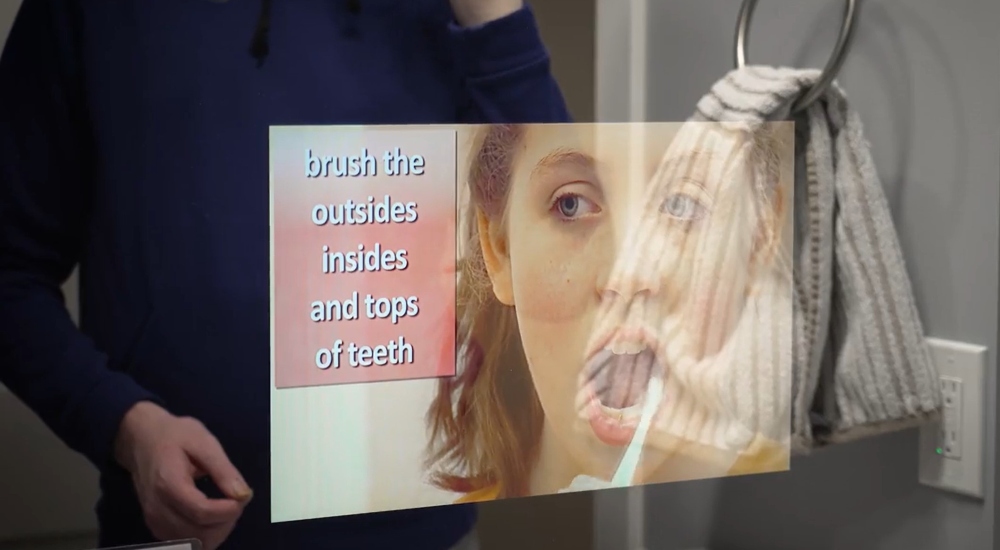
One of the most visible features of the CARES House is a network of visual task displays placed throughout. Monitors present step-by-step instructions for chores, routines and daily responsibilities, encouraging students to complete activities independently rather than relying solely on verbal prompts from instructors.
The system is designed to be intuitive and repeatable, enabling staff to update schedules and instructions while maintaining consistency in how students receive information. Ultimately, the goal is that the skills reinforced through the system will translate directly to life outside of the program.
Environmental Cue Systems Reinforce Daily Routines
Another core component of the system is the use of environmental cue systems that help students transition between activities.
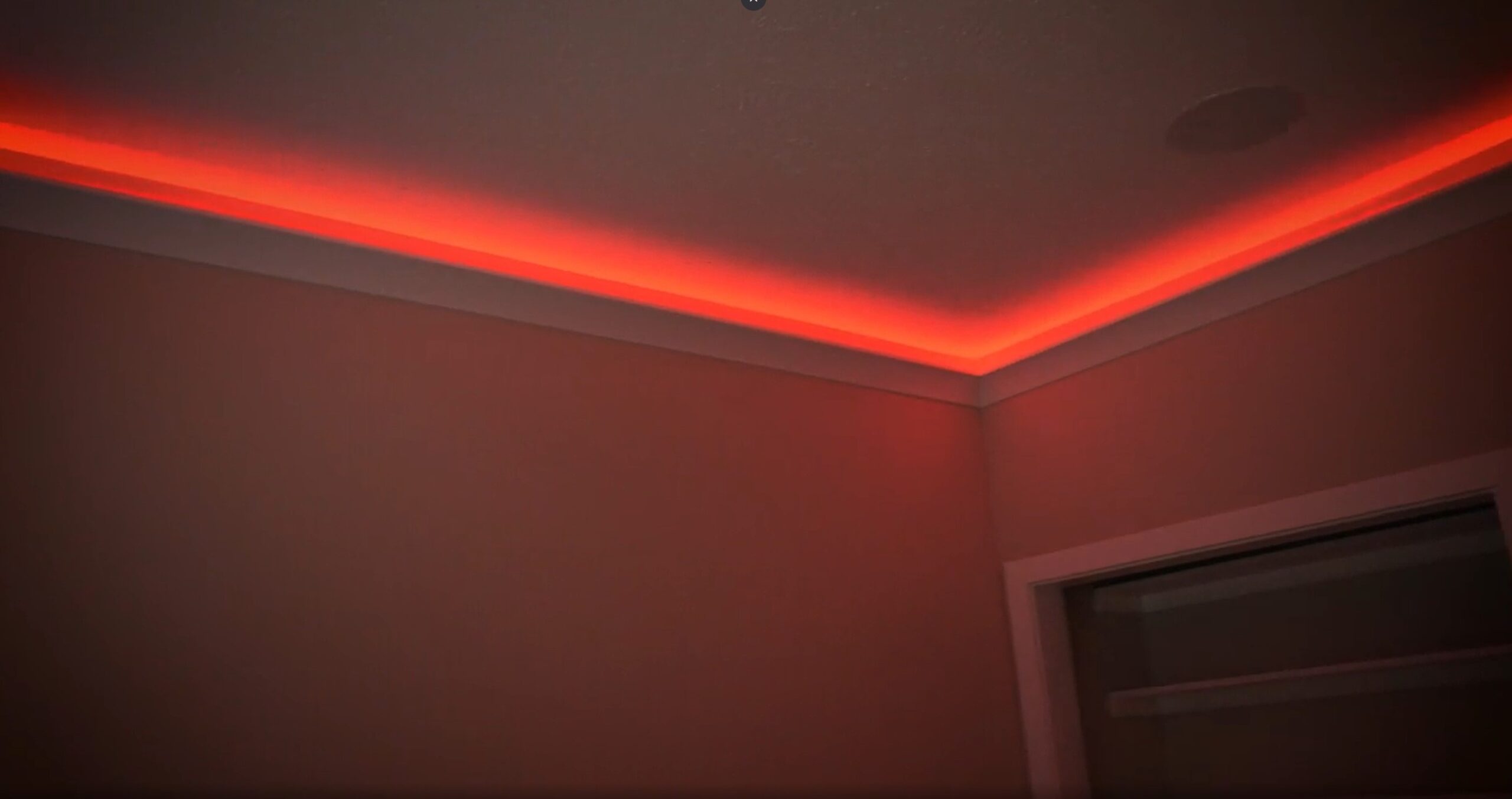
Throughout the home, sensory lighting systems built with Proluxe color-changing linear lighting and Control4 automation provide visual signals for different times of the day. Lighting shifts in color to indicate key transitions such as waking up, preparing for bedtime, or concluding an activity.
These nonverbal communication tools are designed to help students process changes in routine without the anxiety that can accompany sudden transitions.
Sensory Lighting Systems Provide More Than Simple Cues
For individuals with sensory sensitivities, human-centric lighting strategies also play a critical role in comfort. By incorporating sensory-informed architecture principles, the system allows staff to adjust lighting conditions to maintain a calm and predictable atmosphere while still providing clear visual cues.
Integrated Assistive Living Systems
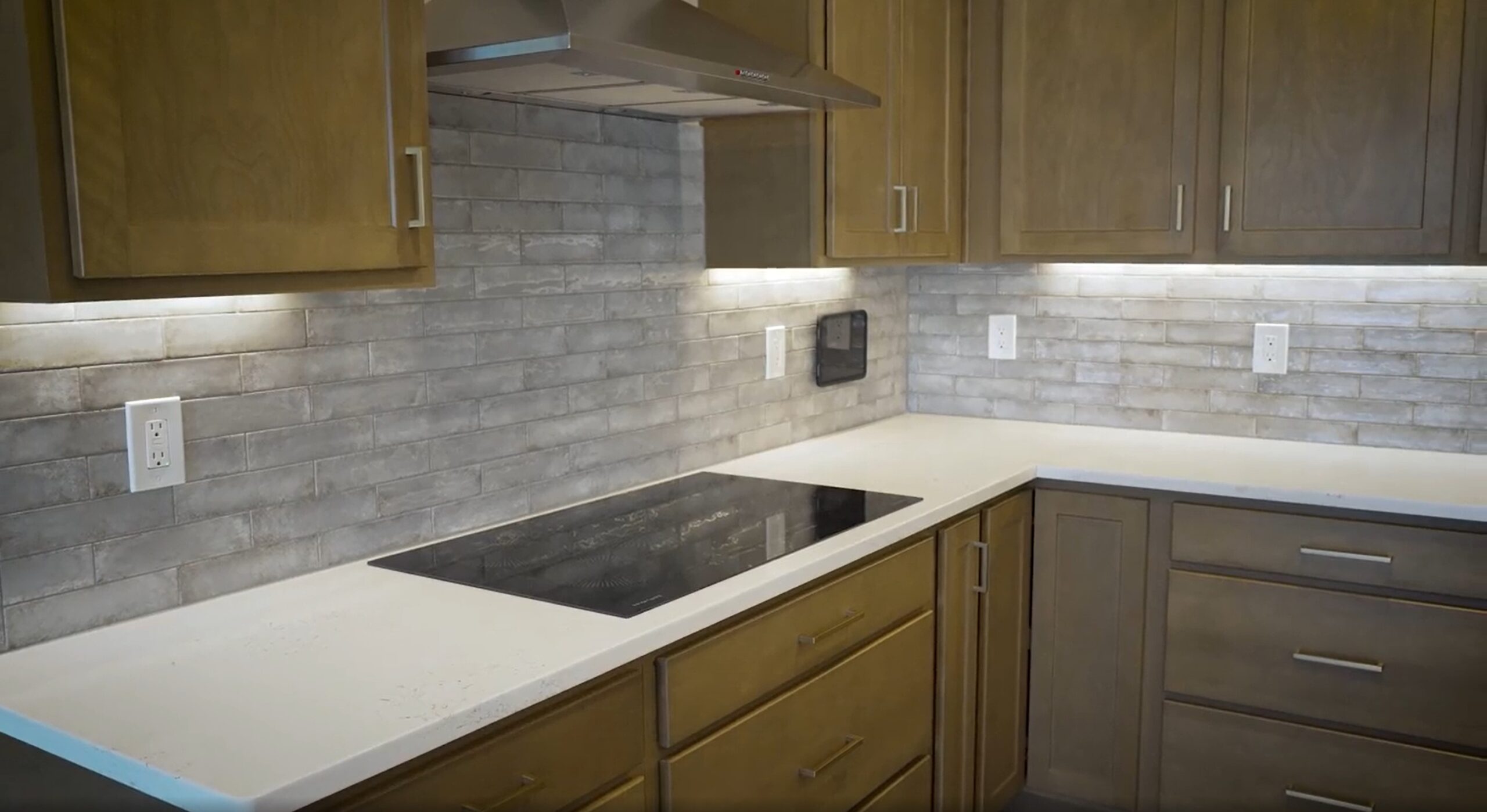
Beyond lighting and displays, CARES House incorporates several assistive living systems that help support independence in everyday activities for those with autism.
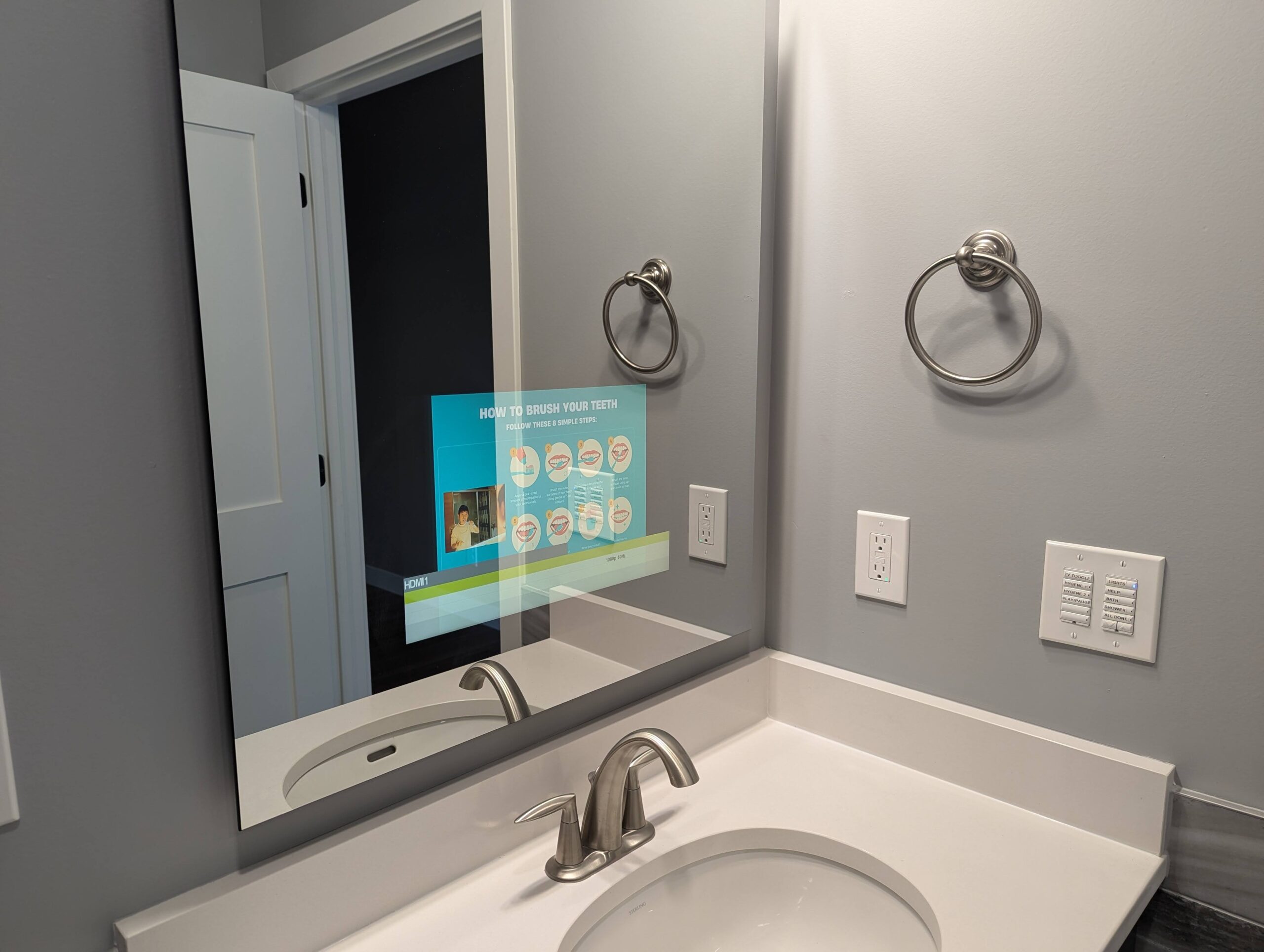
In the bathrooms, a Séura mirror television integrated with QNAP NAS on the Control4 platform provides guided hygiene routines directly within the mirror surface.
Students can follow video prompts that walk them through steps such as brushing teeth or washing hands, allowing them to complete personal care tasks with minimal supervision.
Wall-Based Keypads Help Nonverbal Residents Communicate
Additional technology throughout the home further supports communication and engagement. Dedicated input buttons installed on walls allow nonverbal students to communicate requests or ideas, providing another pathway for interaction and participation.
Together, these systems form a cohesive network of technology-enabled independence tools, reinforcing the program’s goal of helping students transition successfully into adulthood.
Designing a Smart Environment for Autism
Although technology plays the leading role in CARES House, the integration was carefully coordinated with the home’s architectural design to maintain a comfortable residential atmosphere.
The 2,540-square-foot single-story space was designed to look and function like a typical suburban house while quietly incorporating advanced smart technology systems that support learning and safety.
This balance between residential design and technological capability creates what educators describe as an autism-supportive built environment, where students can practice real-life skills in a setting that closely mirrors the homes they may one day live in.
The approach aligns with emerging trends in neuroinclusive design, where environments are intentionally structured to accommodate a wide range of sensory and cognitive needs.
CARES House: A Model for Technology-Enabled Independence
For the CARES program, the goal of the house is to prepare students for life beyond the classroom.
Students participate in everyday activities such as cooking, cleaning, laundry, and organizing chores while relying on the home’s integrated technology systems for guidance and cues.
The combination of adaptive space design and modern smart home automation practices creates a learning environment where technology reinforces routines instead of replacing human interaction.
By merging sensory-informed architecture with smart environments for autism, the project demonstrates how integrated systems can play a meaningful role in supporting neurodivergent learners.
As programs like CARES continue to evolve, the Mentor, Ohio home may serve as a model for future residential learning environments designed for neurodivergent users, showing how integration technology can transform not just homes, but lives.
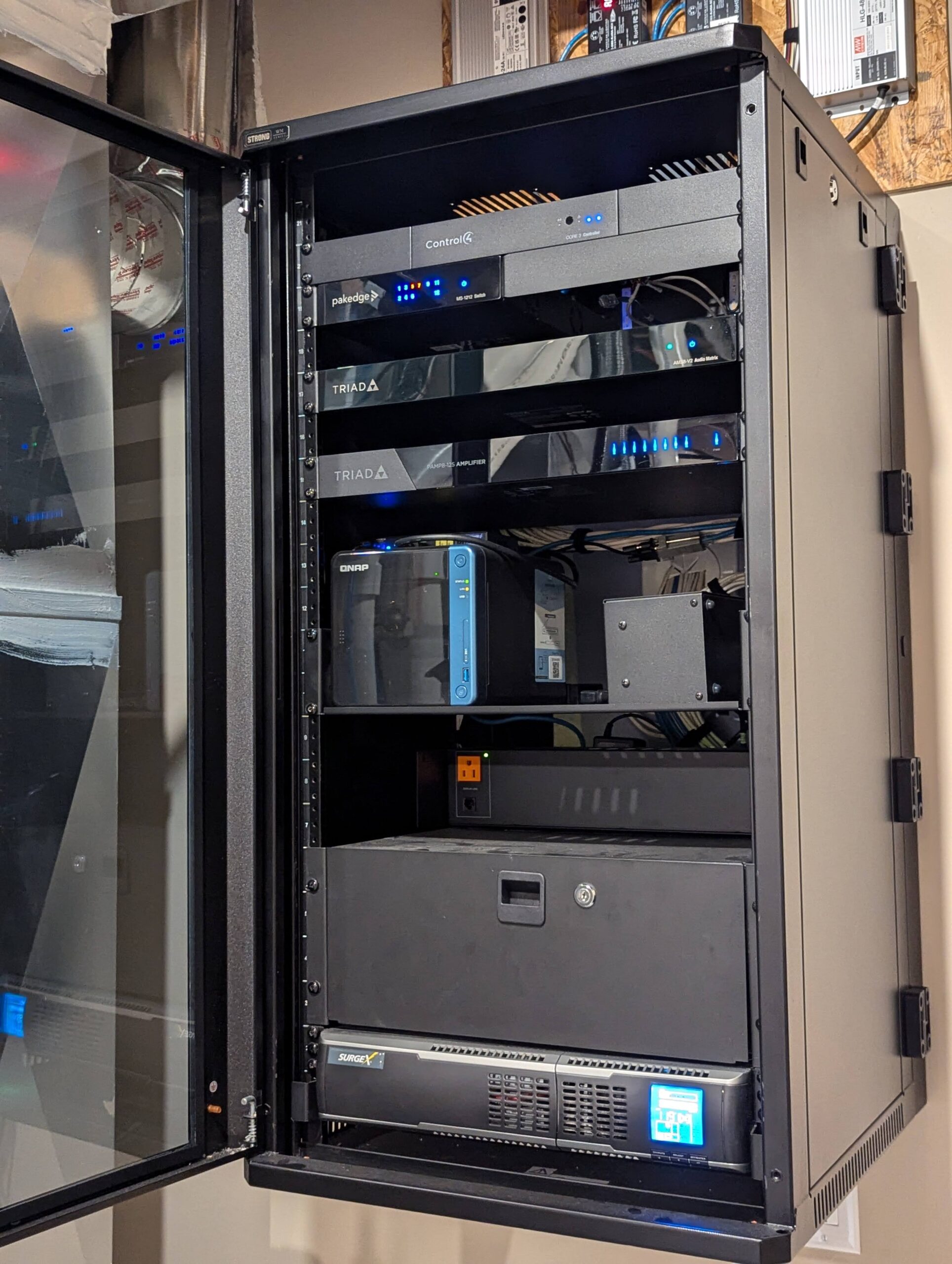
This central rack helps power the video and lighting systems throughout the CARES House.
Systems & Equipment
Control & Automation
- Control4
Audio
- Origin D61DT
- Triad TS-PAMP8-125-V2
- Triad TS-AMS8-V2
Lighting
- Proluxe RGBTW linear lighting
- Proluxe DMX Gateway
- Seura SR-3336-19
Video
- Seura SR-3336-19
- Binary B-540-EXT-330-RS-IP
- QNAP NAS
This project is part of our coverage for the 2025 CE Pro Home of the Year Awards. Presented annually at CEDIA Expo alongside the BEST Product Awards, the Home of the Year Awards represent the best of the best smart home innovations within the CEDIA channel. If you have a project you would like to submit to the Home of the Year Awards, consider following CE Pro on social media or subscribing to our newsletter for when we announce the next submission round.





