
Despite being a predominantly consumer-focused tradeshow, CES 2026 had some big announcements that are helping to paint a better picture of evolving homeowner trends for AV integration. This article will look at the biggest announcements to come from the Consumer Electronics Show and what they mean for integrators in 2026.
What Were the Biggest Trends at CES 2026 for Home Theater and AV Integration?
Without leaning into specific products, three major trends stood out at the show from the news we saw regarding custom integration.
- Wireless technologies were infiltrating more products in the name of reducing installation time.
- More unique options for premium TVs are entering the market, creating a new battleground in the category.
- Design aesthetics continue to evolve.
Wireless Everything
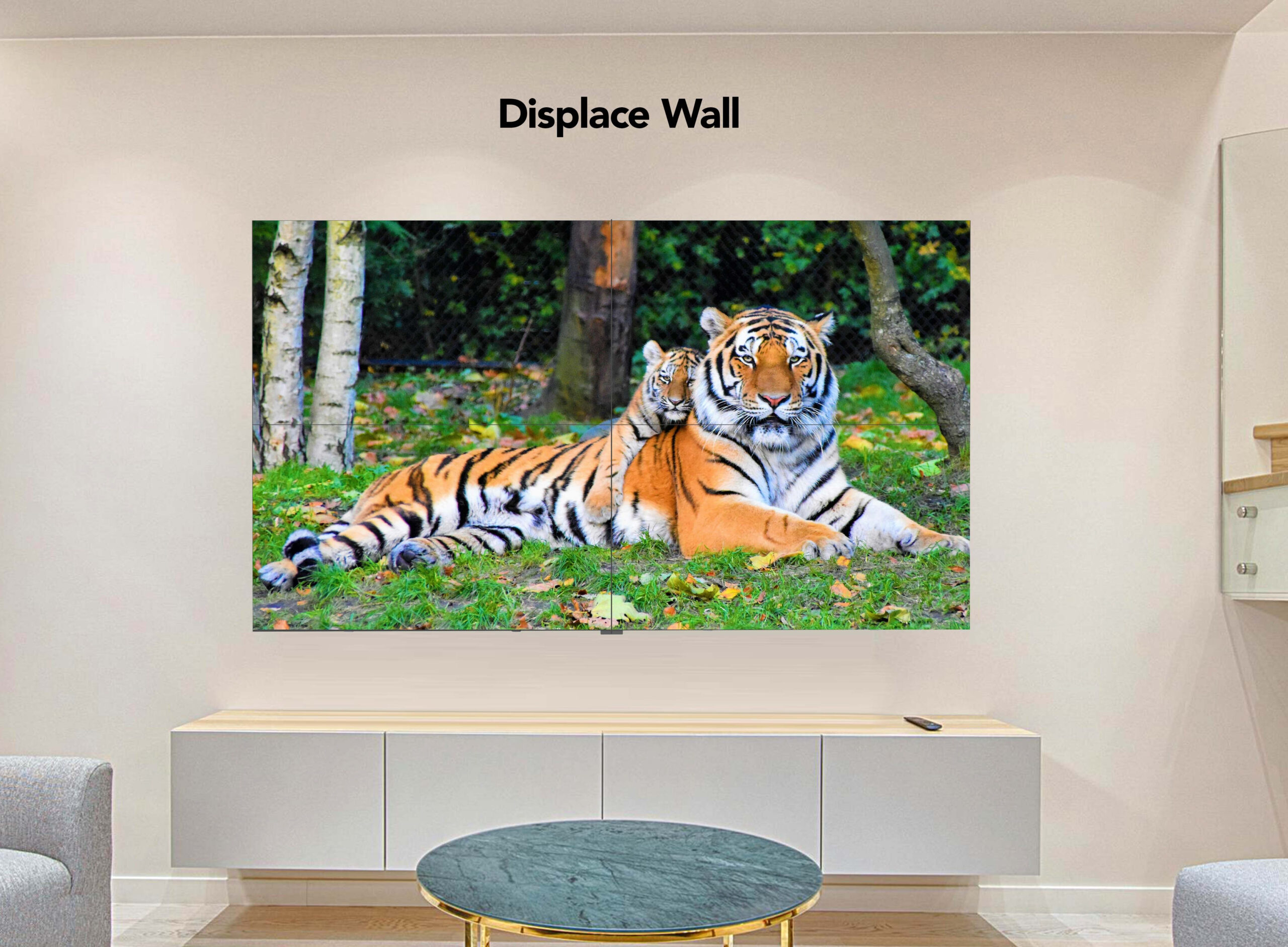
The Displace Wall came out of left field for CE Pro, as the company (Displace) promoted it as being a ‘true wireless’ video wall that could be installed as quickly as 30 minutes.
Each CES trends closer to truly wireless AV installs for integrators, and CES 2026 was no different. Wireless audio may be nothing new, but more and more, we’re seeing plenty of legacy brands leaning more into wireless options on their products. Klipsch and Onkyo are some of the more noteworthy ones from this year.
What keeps catching our eye is the wireless TV category. LG and Displace are the two pioneers there, though Displace is the only one to have fully ditched the power chord on its models, making it the only true wireless TV on the market. And now, it’s the first true wireless video wall on the market (depending upon your definition of what should be classed as a video wall).
Quality and consistency might not compare to a hardwired connection, but, for homeowners, it’s all a matter of convenience. Integrators benefit, too, as less wires tends to mean easier installations.
How Does Wireless Tech Impact Home Theater Installations?
One of the biggest ways this wireless technology trend alters AV integration is through consumer expectations. The flexibility and convenience of being able to setup wireless products just about everywhere is unmatched. Never forget the powerhouse Sonos has become on projects due to its convenience and ease of use at the user end (of course, the dealer support and stellar performance compared to other wireless options helps get it in the door as well).
The fact that these wireless products translate to less time spent on the actual installation for integrators is just icing on the cake, allowing for more time (and potentially money) to be spent on improving other parts of the home.
Where We’re Seeing the Trend
- LG Unveils OLED evo W6 Wallpaper TV with ‘True Wireless’ Design at CES 2026
- Samsung Reveals Wireless ‘Music Studio’ Speakers and Soundbars for Home Theaters
- Klipsch Kicks off 80th Anniversary Year With New Powered Speakers, Desktop Audio
- Onkyo Unveils Muse Series, Anniversary Editions and Home Theater Concepts at CES 2026
Premium TV Wars
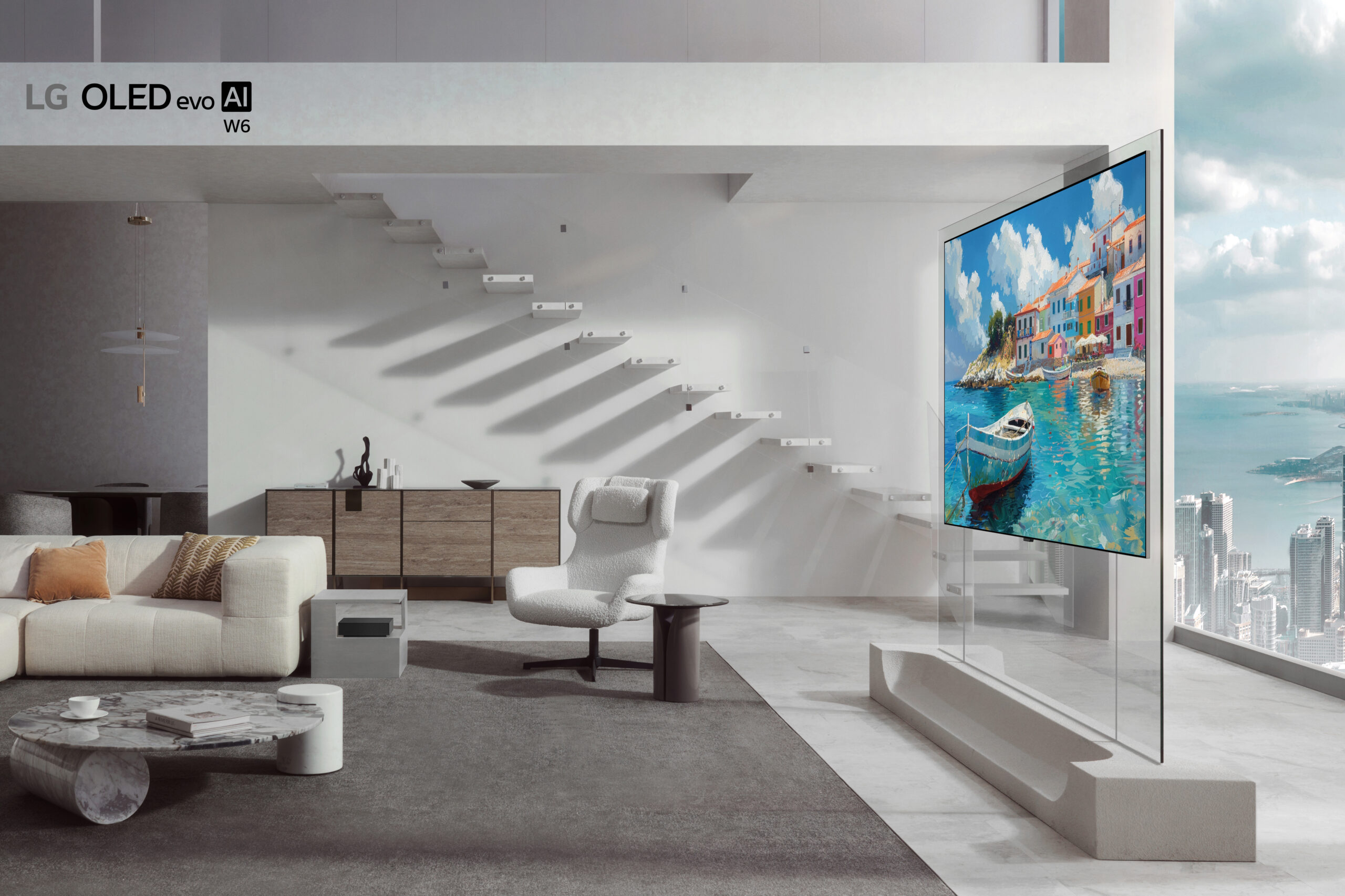
While RGB TVs were everywhere at CES 2026, other innovations like LG’s OLED evo W6 pushed the boundaries of premium TVs in different directions.
CES 2026 redefined the premium TV battlefield, as the tradeshow played host to wide array of announcements targeting varying facets of smart home entertainment through new display technology. RGB LEDs were the clear standout with Hisense, LG and Samsung all introducing new product lines leveraging the technology.
Elsewhere, TCL leaned into its new SQD-Mini LEDs as the next big thing in color accuracy, offering a divergent technology not unlike how Samsung pushed into QLEDs all those years ago. The jury’s still out on who’s going to win in the matter of RGB vs. OLED vs. QLED vs. microLED, et cetera, et cetera.
Outside of new TV panel technology, there was also plenty to take in for TV subcategories as well. LG revealed its own alternative to The Frame art TV alongside a sleek-looking wallpaper TV while Displace unveiled its own premium video wall offering, taking CE Pro’s own editors by surprise.
Which TV Technologies Stood Out the Most?
RGB LEDs stole the show, with last year’s darling, AI, starting to take a backseat in terms of the overall technology stack in these new products. This offers more exciting prospects in terms of the future of TVs as elements like color accuracy and brightness offer more of a ‘Wow’ factor when showcasing to prospective clients.
Two other pieces of TV technology stood out at CES 2026, though:
- Displace and its fully-wireless, vacuum-mounted video wall is going to be difficult to forget entirely considering, as of right now, it is one of the only ‘true wireless’ video walls on the market.
- LG and its Wallpaper OLED pushed the boundaries of how thin LEDs can get while still being able to generate powerful images.
Where We’re Seeing the Trend
- Displace Has a Fully Wireless 4K OLED Video Wall Now
- LG Unveils OLED evo W6 Wallpaper TV with ‘True Wireless’ Design at CES 2026
- TCL’s X11L Targets Premium Home Theater Installs with New SQD-Mini LED Tech
- LG to Debut its own Frame-style TV at CES 2026
- Amazon Introduces Ember Artline Lifestyle TV, Expands Ring Security Portfolio at CES 2026
Design Forward AV
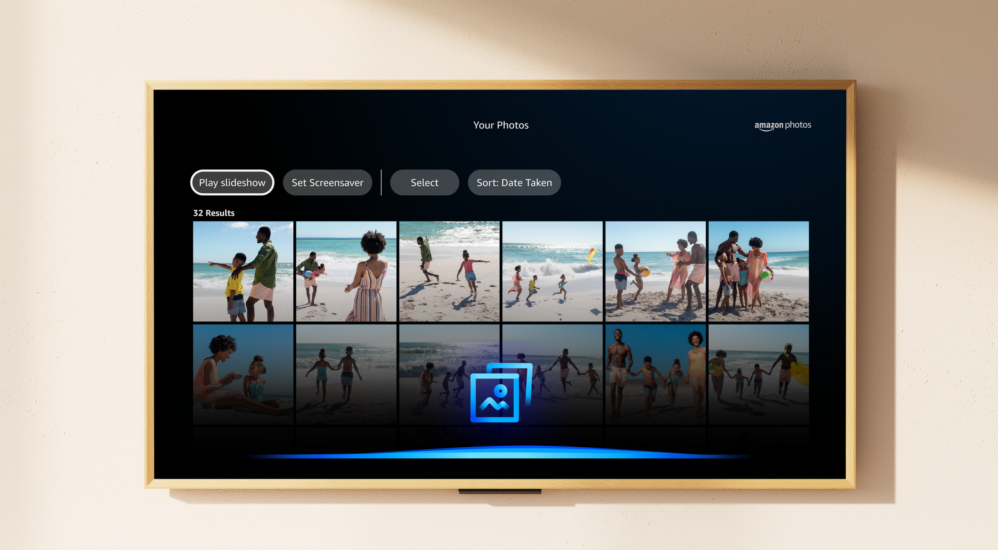
In its debut Ember hardware line, Amazon went squarely for the art TV market, highlighting how big design-forward technology has become with the average homeowner.
Why are so many audio and video brands leaning heavily into interior design principles in their latest products? Two answers to that: one is that the more design-forward a product is, the better it can be incorporated into the surrounding environment without sticking out like a sore thumb. Beyond that, more design options become just another layer of personalization when it comes to building a truly “custom” system.
Design is indicative of lifestyle now, and as homeowners purchase new products based around their lifestyles, they want the design to reflect that. Art TVs like The Frame, as well as those released this year by Amazon and LG allow homeowners to further customize spaces with either library-selected or their own uploaded artwork and photos.
This trend pairs perfectly within AV culture as AV, at its core, is a very distinct lifestyle that prizes aesthetics as much as performance, with prominent manufacturers developing distinctive looks to match audience tastes, and integrators nowadays acting more as lifestyle enablers than system installers.
Why Are Frame-Style and Lifestyle TVs Gaining Traction?
TVs moved from sitting on shelves to hanging on walls to help save space–and because homeowners universally agreed it looked a lot better. For that reason, aesthetics continue to drive the evolution of TVs into these art-like installations that can blend in with the rest of the wall ornaments.
It adds visual consistency and a level of brightness into a space that otherwise would be taken up by a big, wall-sized void.
Where We’re Seeing the Trend
- Onkyo Unveils Muse Series, Anniversary Editions and Home Theater Concepts at CES 2026
- Amazon Introduces Ember Artline Lifestyle TV, Expands Ring Security Portfolio at CES 2026
- LG Unveils OLED evo W6 Wallpaper TV with ‘True Wireless’ Design at CES 2026
- Klipsch Kicks off 80th Anniversary Year With New Powered Speakers, Desktop Audio
- LG to Debut its own Frame-style TV at CES 2026
Piecing Together CES 2026 AV Integration Trends
Looking at CES 2026 for the professional audience, the tradeshow wasn’t about one breakout product. Instead, plenty of what the tradeshow had on offer was about reducing friction between design ambitions and installation reality.
As wireless technology continues to diversify and evolve, it has a real potential to start reshaping installation times and cost for integrators, especially since networking nowadays is becoming better understood by major AV and smart home integration firms. Companies like WhyReboot and Blackwire, which offer networking design services, have also contributed to an environment where building infrastructure to support wireless has become a lot more consistent.
Even if these products were aimed at more consumer audiences, the reality remains the same: the average person interested in AV tech wants something that is easy to incorporate into their home’s design while also being incredibly simple to use. Both are elements that a professional’s product needs to adhere to if it ever wants to make it into a home, and both manufacturers and integrators should have that in consideration, if they don’t already.





