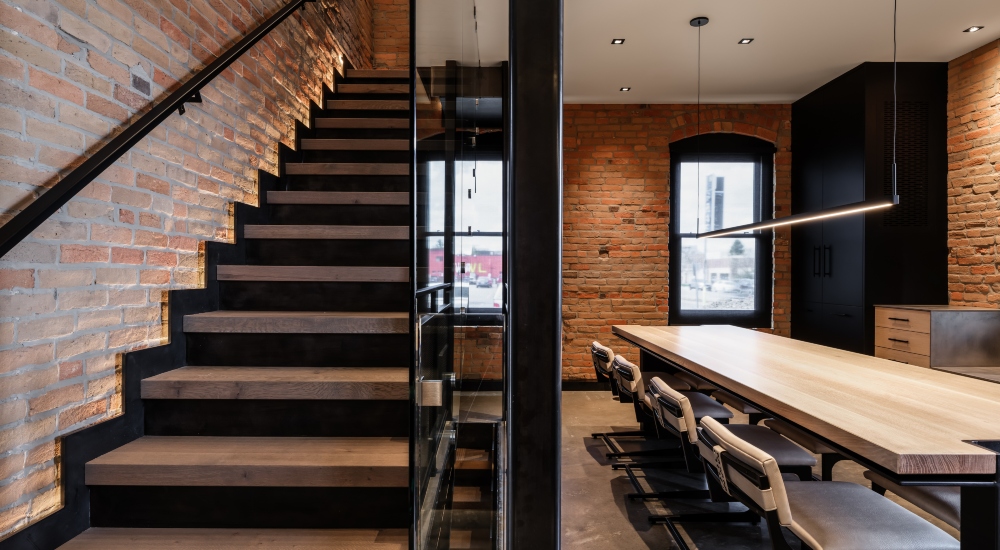
Built in 1881, the renovation of Daniel E. Rouse’s historic Gothic I-House (also known as the “Rouse House”) appears more as a revival when factoring in the full breadth of its updates, moving beyond architectural restoration and stepping into the modern age as advanced smart home technologies have become baked into the house’s core identity and living experience.
SAV Digital Environments (SAV) played a dual role as both technology integrator and design consultant, ensuring that all systems aligned with the home’s architectural vision.
Overcoming Structural Challenges in the Historic Rouse House Renovation
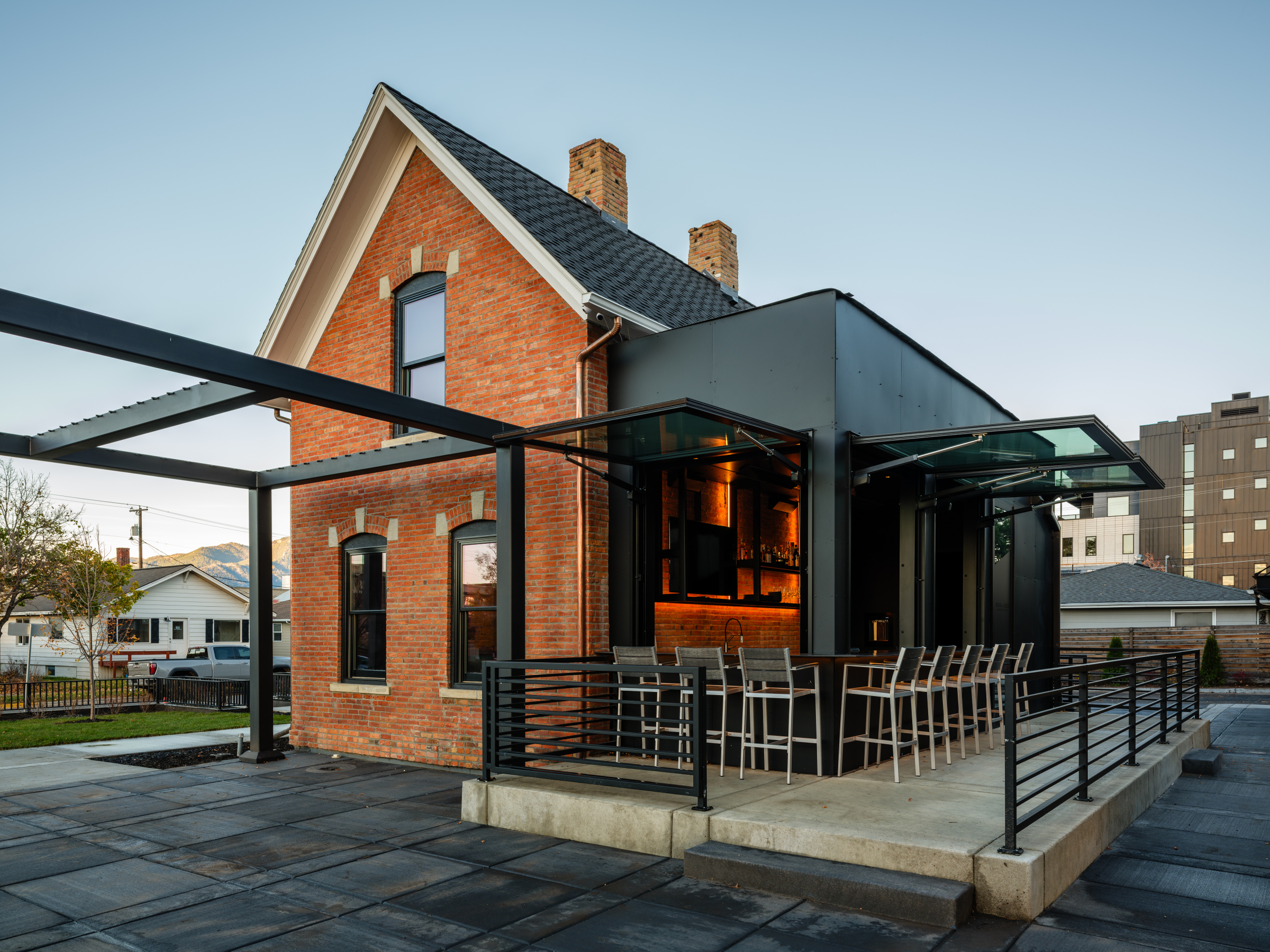
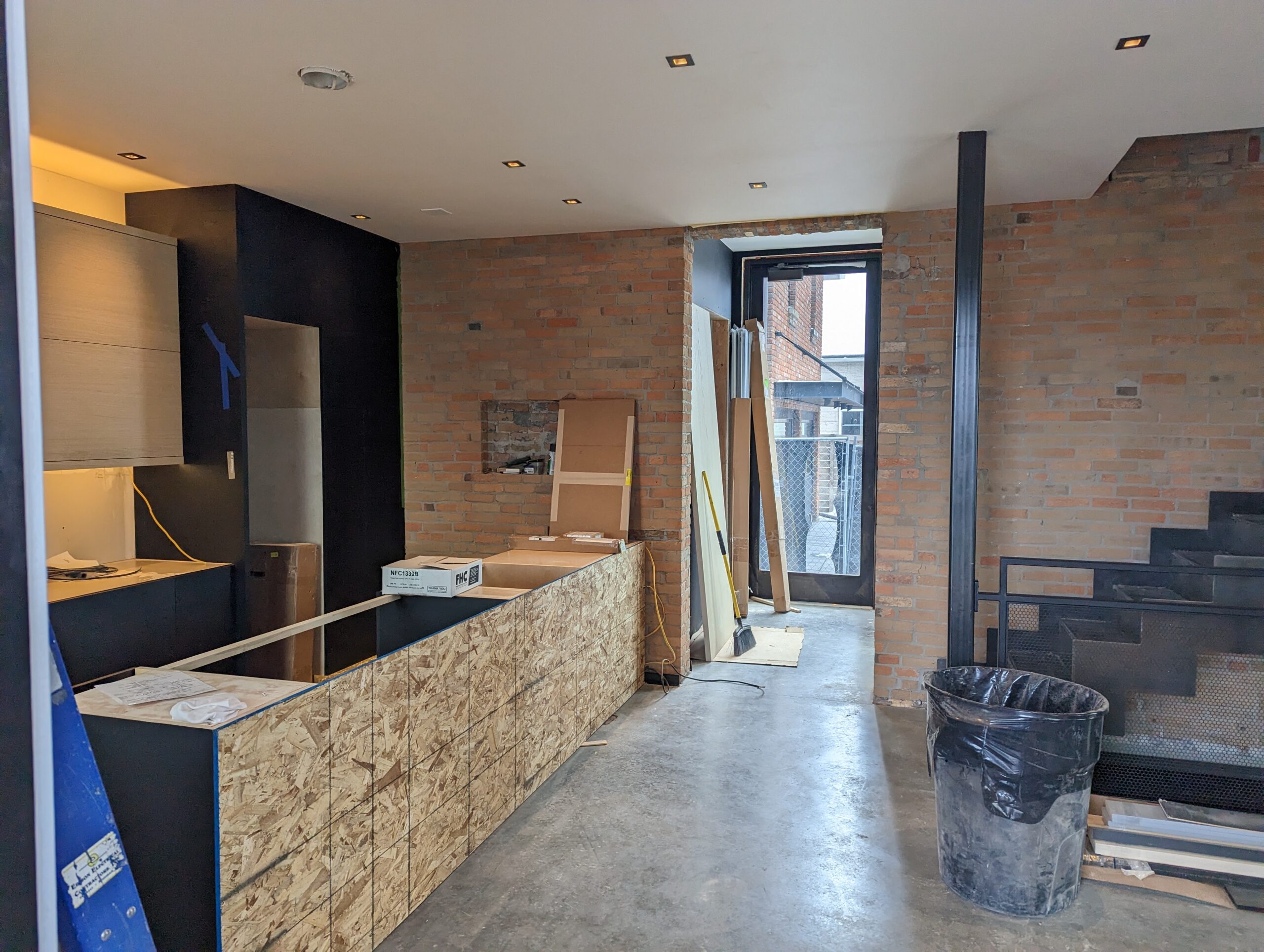
Initial work on the property began due to structural compromises, with the bulk of the initial work set to focus on the architectural and design elements. Before any smart home technology could be installed, the home required extensive remediation.
The original structure of the Rouse House was not suitable for modern living conditions, with a rubble foundation, weak and deteriorating brick and gaps within the walls. This proved exceptionally challenging for any prospective wiring work as old brick is especially fragile and prone to crumbling.
Installing new wiring and mounting systems in the home’s historic construction therefore required a highly controlled approach, with each intervention planned ahead of time to avoid damaging the structure. It’s this dedication to process and preserving the home’s architectural integrity that helped earn the project a coveted spot in 2025’s Home of the Year Awards.
Retrofitting Smart Home Technology Without Compromising Design
Following remediation, the current owners of the Rouse House brought in specialists, including SAV Digital Environments, to help modernize the home while preserving its historic identity.
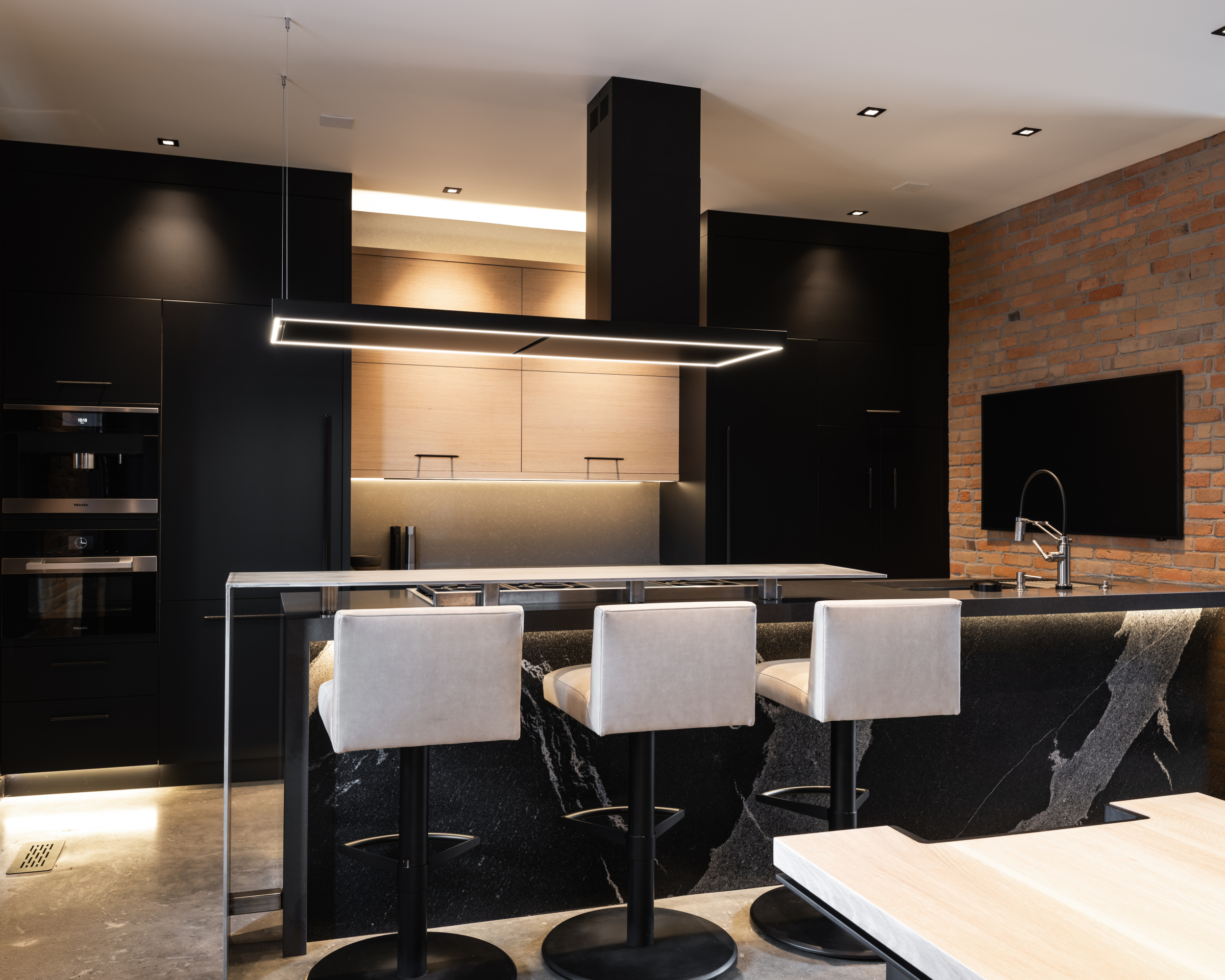
Using clever facades and strategic design decisions, the team at SAV was able to introduce modern systems while mirroring the appearance of the original structure as closely as possible.
This approach reflects a broader trend in retrofitting smart homes in historic buildings, where advanced design and architectural techniques are used to blend technology elements into the home’s older materials.
A Look Behind the Home’s Invisible Infrastructure
On the AV side, concealed TV mounting solutions using TV back boxes were used to fully hide articulated mounts behind displays. Speakers were either recessed into ceilings or integrated into cabinetry, allowing for high-performance audio without disrupting the visual character of the space while all associated wiring was routed out of sight.
The new system also introduced modern lighting capabilities into the historic building while remaining consistent with the home’s design language, with lighting control coordinated across the residence
Blending Preservation with Modern Smart Home Design
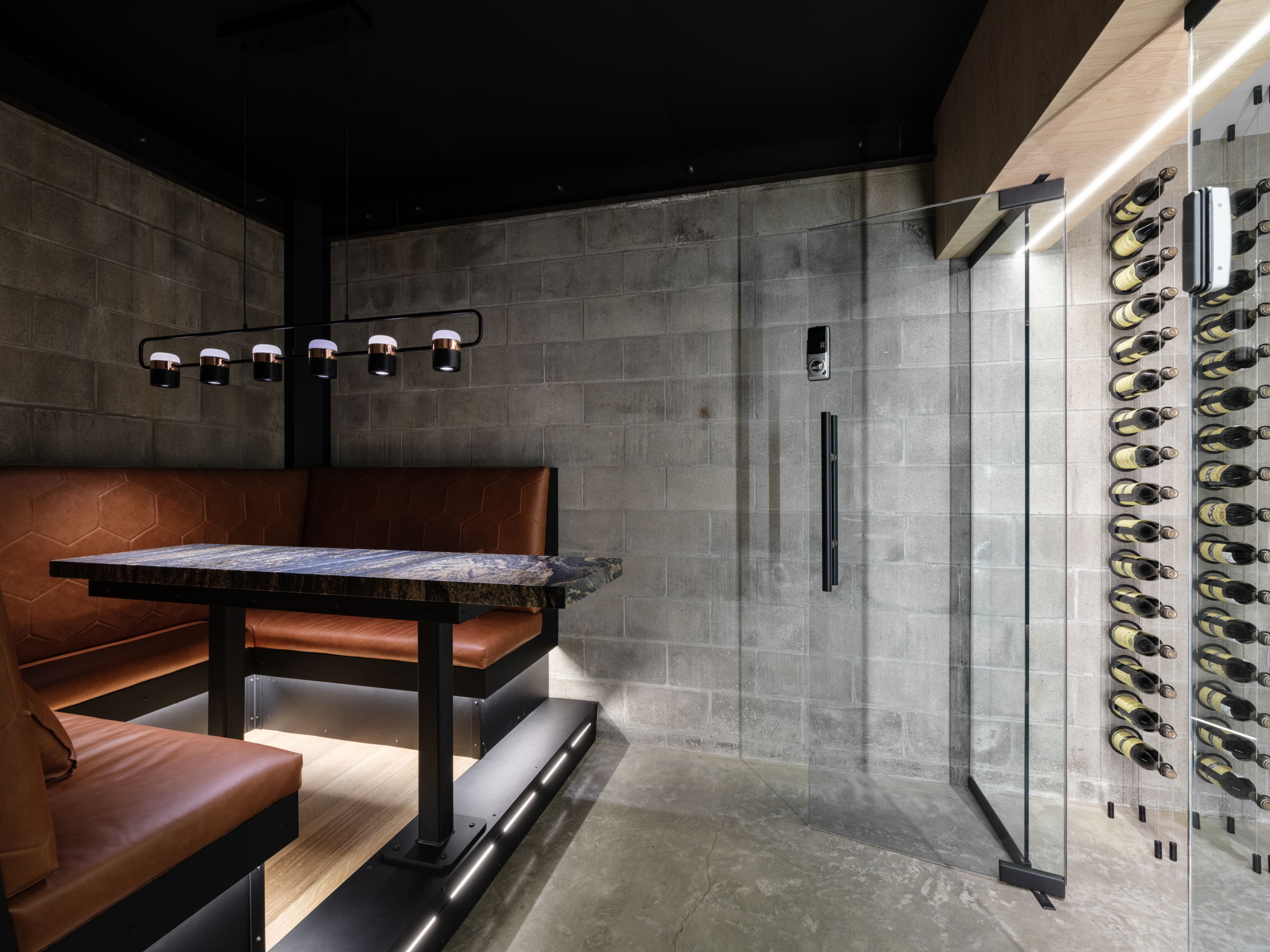
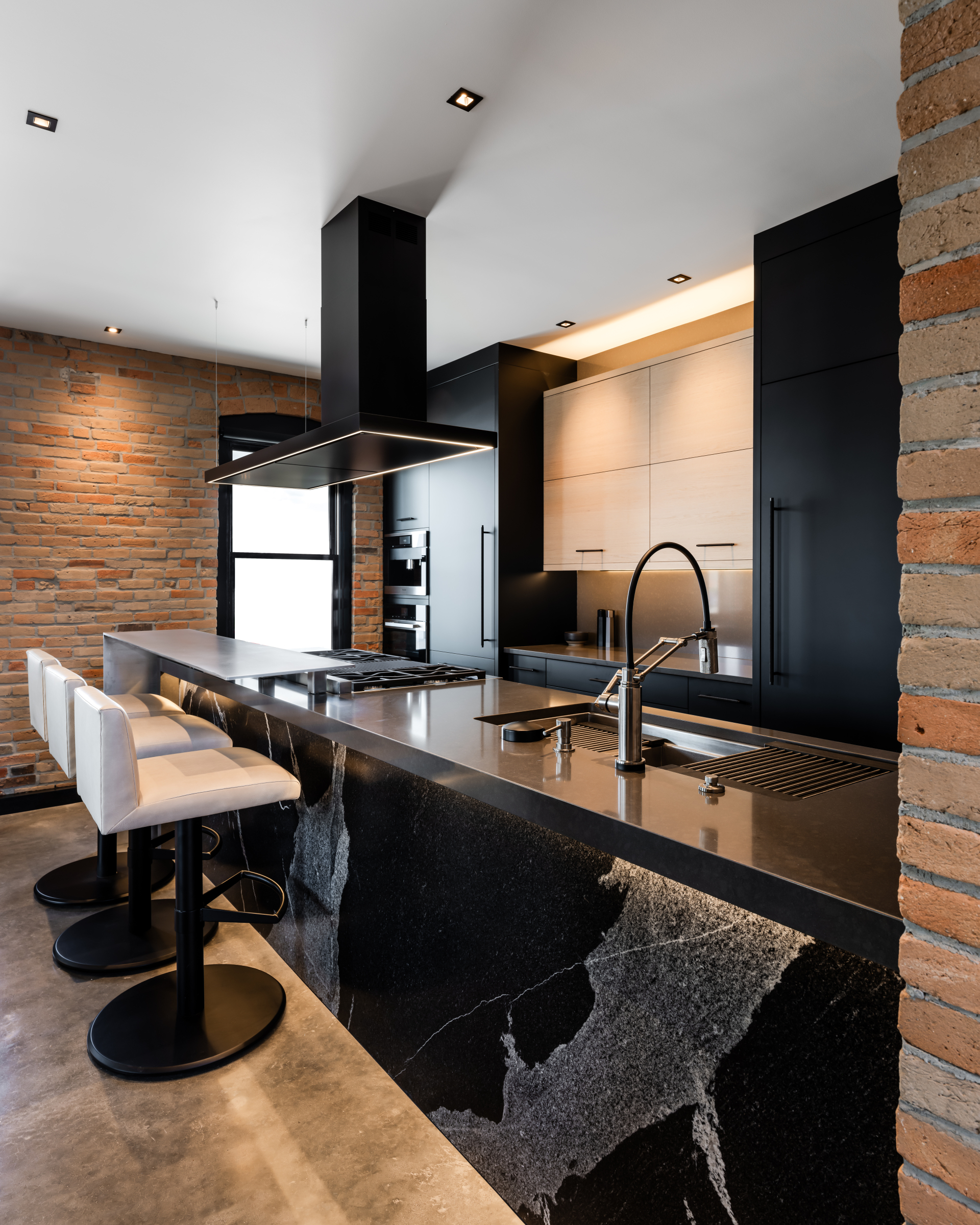
The most breathtaking aspect of the Rouse House project is the extent of preserved material SAV was able to work around in developing this extensive system. The original brickwork serves as a striking design element made even more impressive when occupants realize what exactly is concealed underneath the old bones.
Historic home renovations like the Rouse House come with their own challenges on the design and construction side; however, wiring for technology in a home that was built before most of the technologies being installed were even conceived is a different challenge altogether.
By combining historical elements with the modern smart home system, the Rouse House bridges two entire centuries, delivering a space that is still highly functional while remaining true to its legacy.
Systems & Equipment
Audio/Video (Interior)
- Sonance In-Ceiling Surrounds
- James Toekick subs, In-Ceilings, and On-Wall Wedges
- Sonos Move Portable speaker
- Samsung Art Displays
- Sony 4K TVs
Audio Video (Exterior)
- Sonance Patio Series satellite speakers and In-Ground subs
Lighting & Shading
- Lutron Palladiom shades
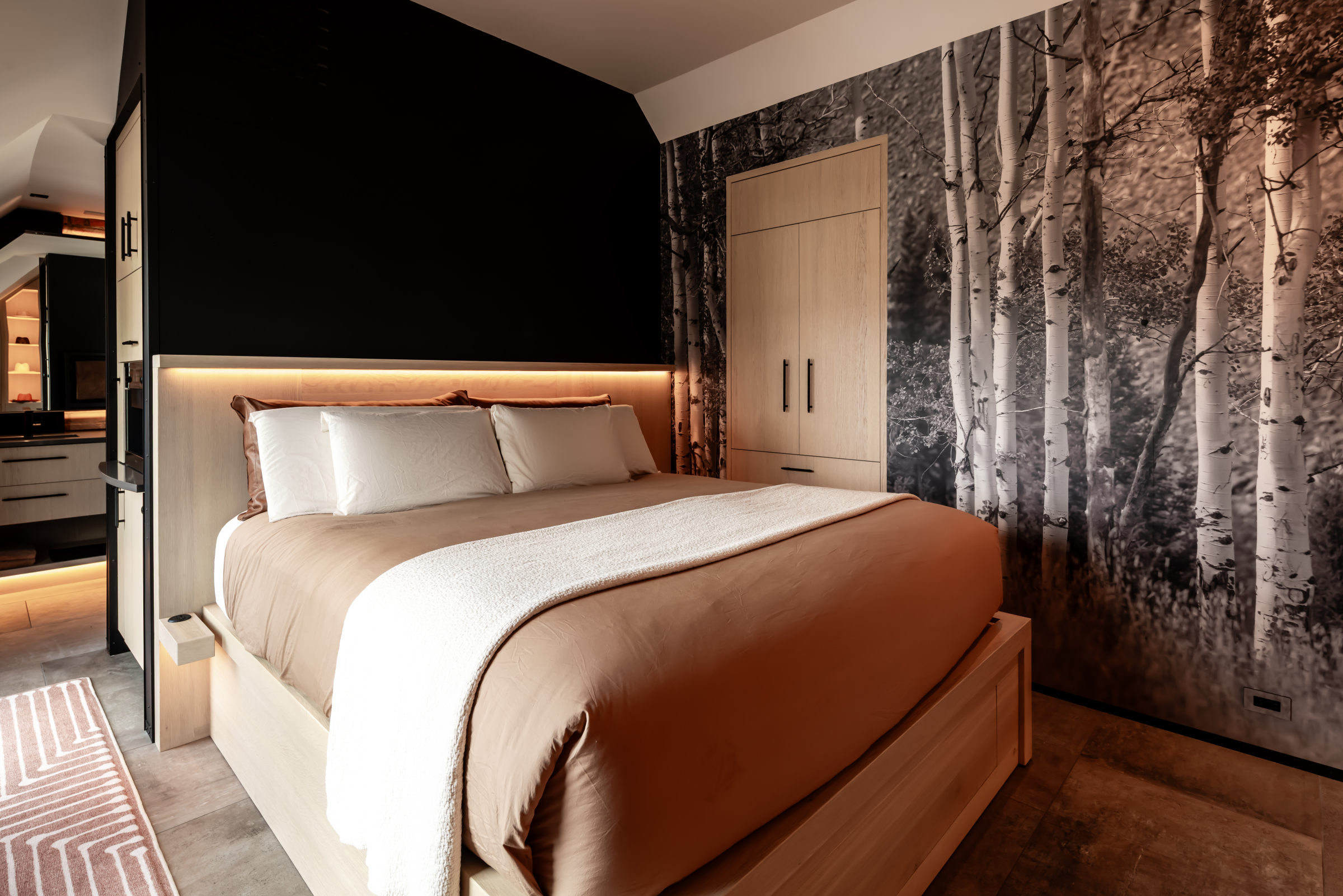
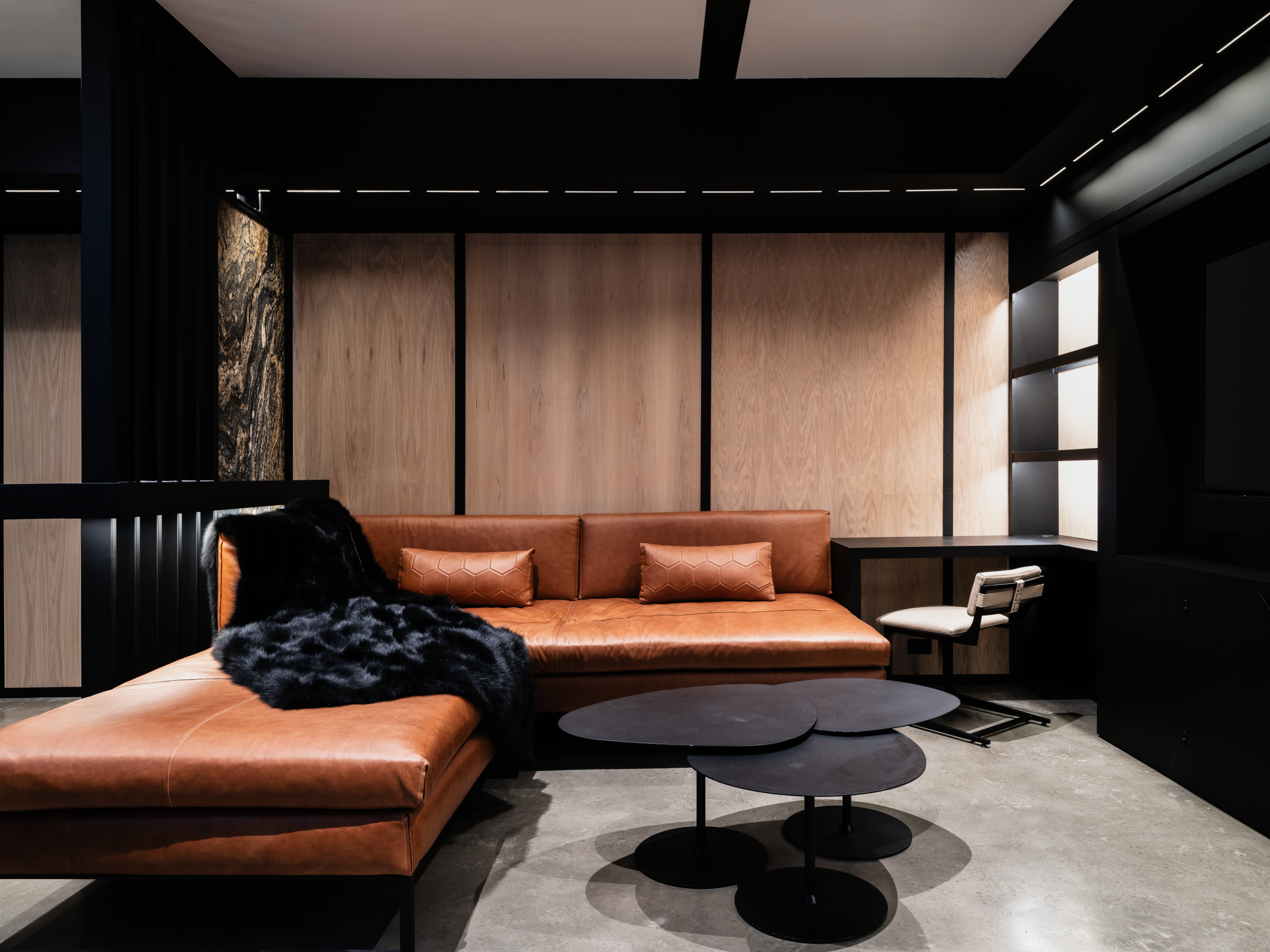
This project is part of our coverage for the 2025 CE Pro Home of the Year Awards. Presented annually at CEDIA Expo alongside the BEST Product Awards, the Home of the Year Awards represent the best of the best smart home innovations within the CEDIA channel. If you have a project you would like to submit to the Home of the Year Awards, consider following CE Pro on social media or subscribing to our newsletter for when we announce the next submission round.