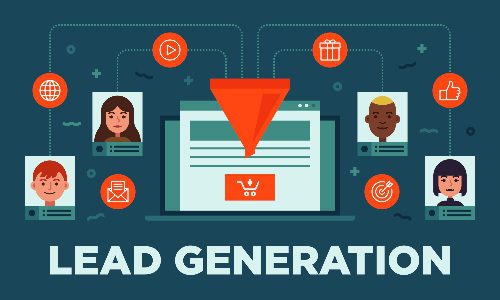
When the economy is uncertain, at least opportunity remains. But how do you insulate your business from a recession? It’s a big question, but it helps to tackle it from a single perspective: getting qualified leads.
When referrals dry up and existing jobs finish, consider starting with the below:
#1: Shake Your Existing Customer Tree
According to the book Marketing Metrics, the probability of selling to an existing customer is 3-12 times higher than selling to a new customer. But just because you’ve worked with a customer in the past doesn’t mean they’d automatically think to come to you for a new category of project.
Furthermore, they might not even know they have a need—you may need to uncover it. That means consistent and proactive communication. If you have an email list, that’s easy: schedule regular email blasts to your customers. If you don’t, create one using a platform like Mailchimp or ActiveCampaign.
In these emails, try to stay away from highlighting products or technical specs, and focus instead on benefits and lifestyle improvements. Testimonials from happy customers can also help get your message across.
Imagine sending an email to your list that highlights a customer’s experience with your outdoor audio/video installation:
“Everyone feels more comfortable outside these days due to coronavirus. Now that we can put music on throughout the backyard, and even watch movies out there, it’s easy to host friends and family safely.”
Did all of your customers already know this was a service you provided, or truly understand how it could improve their quality of life? Probably not. That’s why this type of email can be so powerful.
Use your email communication to plant seeds about ways you might be able to improve your customers’ lives—the more relevant to their current needs and pain points, the better.
Keep in mind that with an email list, you’ll want to avoid always sending sales emails, or you’ll ultimately be ignored. Try to hit a 75/25 mix of helpful emails (“3 ways to get more out of your office technology”) and sales emails that include an ask.
#2: Give People What They Need
The COVID-19 era is a great example of integrators adapting to customer needs. In a world where work-from-home becomes the new normal, and outside feels safer than inside, an entirely new set of priorities appear.
Integrators have been finding growth opportunities in outdoor audio and landscape lighting, home wellness, conference room audio/video, and work-from-home improvements, just to name a few.
The challenge here is to be proactive rather than reactive. Have you adjusted your marketing to reflect the changing needs you’re hearing from customers? Does your website reflect this changing emphasis? How about your content strategy and paid advertising? Are you sending out regular messages to your email list?
Don’t fall into the trap of leading with the same products and services you always have. That message runs the risk of getting ignored, as customers become drawn to different priorities. You may even consider updating your messaging entirely in certain marketing contexts: rather than “Creating custom experiences with AV and automation,” perhaps you’re now “Using technology to enable work-from-home and outdoor lifestyles.”
It doesn’t mean you have to turn down the next home theater job that comes your way. It just means you’re making your marketing message specific, so it attracts the people you most want to attract.
How does doing this actually help you get qualified leads? By aligning your messaging and marketing with what customers actually want, you’re riding the wave rather than fighting against it. Also, by getting your messaging aligned with changing market needs, you’re making everything else that you do easier and drawing customers to you.
#3: Figure Out Who You Want to Work With, and Reach Out
If you’ve already aligned your messaging with the changing times, and you’ve already reached out to your existing customers, it’s time to take the next step: Figure out who you want to work with, and then reach out to them. These days, the best tool for that is LinkedIn.
This is mostly a tactic for gaining commercial business, but there are some approaches that can help you gain residential business, too. On the commercial side, you’ll want to use LinkedIn’s Sales Navigator tool to filter for the type of businesses you want to work with.
Once you have your list, send connection requests to owners or decision-makers at those businesses. Don’t ask for anything upfront—the key is to provide some value in a follow-up message or two first. Once you’ve started a conversation on LinkedIn and it seems like you might be able to help them, you might invite them to have a short call to determine whether there’s a fit. I’ve written a full guide to this process.
On the residential side, you won’t be reaching out to individual homeowners. However, you can use this same approach to connect with architects, interior designers or builders that aren’t already familiar with you.
Take a benefits-focused approach: How does collaborating with you on a project make their lives easier?
Amping up your communication with existing customers, evolving your messaging to give people what they need, and proactively reaching out to possible partners and prospects is a great way to build resilience into your business. In a down economy, consider deploying these tools as your first line of defense to generate qualified leads.
Ryan Kane at Wheelhouse Digital helps AV integrators get more profitable leads online.