
Howdy folks, welcome to the week in Playback. The FCC made a ruling this past week that’s sure to cause headaches for a lot of people (integrators included) so let’s dig into that real quick.
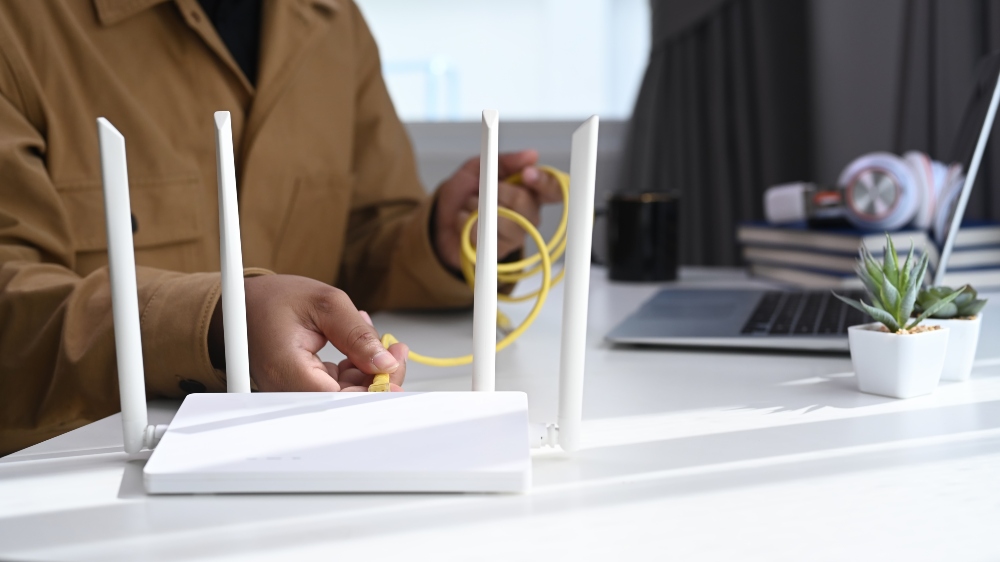
After a few high-profile swings at manufacturer TP-Link over privacy concerns, the FCC this week opted for what could be considered a “nuclear option” by banning all “foreign-made routers” in the U.S.
What makes this a nuclear option is that, by current assumptions (which is all there really is to go off at this point as no strict definition of “foreign-made” was given by either the White House or the FCC following the decision), nearly every major router currently available on the market fits the definition of being “foreign-made.”
The problem right now is less about the rule itself and more about the general lack of information and guidance for consumers and professionals specifying these products for consumers.
As another example, it was at first assumed off initial statements that all currently existing routers on the ban list (which do not have their use restricted under the new ruling) would continue to receive firmware and security updates.
Since then, however, that has been refuted with the FCC clarifying that manufacturers need to first request a waiver to be able to provide these updates to existing devices. That means that, assuming a manufacturer is unable to acquire a waiver, those devices will eventually become unusable in addition to being more vulnerable to security threats anyways.
With how big networking has become for integrators and their clients, CE pros will want to keep a close eye on this case as it develops, especially considering the ban applies to all newly produced routers, meaning product supply lines could start to shrivel up as a result.
For now, that’s all the information we have, so let’s get into the Playback.
1. A Farewell to Routers
Source: U.S. FCC Effectively Bans the Import of New Foreign-Made Routers
The U.S. government, citing cybersecurity concerns, has essentially banned all network routers produced in foreign countries, updating its Covered List to include such devices and prevent them from receiving equipment authorization required for importation and sale in the United States.
Under the Secure and Trusted Communications Networks Act, equipment placed on the FCC’s Covered List is prohibited from obtaining new equipment authorizations.
Because most electronic communications devices must be certified before they can be marketed or sold domestically, the decision effectively blocks new foreign-made router models from entering the U.S. market.
While the immediate impact is limited to future product approvals, the broader policy direction signals ongoing efforts to reshape supply chains and strengthen domestic production of critical communications technologies.
2. CEDIA Expo Smart Stage Schedule Now Live
Source: CEDIA Expo’s 2026 Smart Stage Schedule is Out; Here’s What Caught Our Attention
The full Smart Stage schedule for CEDIA Expo 2026 is now live with there currently being 19 sessions planned for the show, including awards.
Each year, Smart Stage sessions are structured to address industry best practices, identify areas for improvement and highlight emerging technologies poised to shape future projects.
Beyond core educational programming and business strategy, the 2026 Smart Stage will also will play host to a new series of booth awards aimed at highlighting the most creative and visually impressive exhibits presented on this year’s show floor.
Other official programming for the stage highlights sessions surrounding AI-enhanced control platforms, device protection on the home grid and scaling a light commercial business model.
3. Sony’s Bravia Lineup Gets Some New Additions
Source: Sony Expands BRAVIA Theater Audio Portfolio, Introduces BRAVIA 3 II LED TV
Sony has introduced a new BRAVIA Theater home audio lineup alongside its BRAVIA 3 II LED TV.
The new audio lineup includes the BRAVIA Theater Bar 7 and BRAVIA Theater Bar 5 soundbars, as well as the BRAVIA Theater Sub 9, Sub 8, Sub 7 and Rear 9 optional speakers.
Alongside the new audio products, Sony is expanding its TV lineup with the BRAVIA 3 II, a mid-tier LED television available in sizes up to 100 inches.
Sony says the products are designed to create a wider, more immersive surround sound field while also giving consumers and integrators more flexibility to build out or upgrade a home cinema system over time.
4. Hisense Opens Preorders on RGBs
Source: Hisense Aims to Get Ahead of the Competition with UR9 Preorders
Competition surrounding the new RGB TVs is heating up as Hisense is looking to get ahead of its competition, opening preorders for its UR9 RGB MiniLED TVs.
The news comes no more than a couple months after the initial reveal during CES 2026.
The UR9 carries Hisense’s proprietary RGB architecture, which the company says allows it reach 100% coverage of the BT.2020 color gamut, with each LED capable of generating red, green and blue light independently, directly at the source.
RGB LEDs are shaping up to be the next big battleground in home entertainment technology, as Hisense, LG, Sony and Samsung have announced RGB TV models that are either confirmed or (in the case of Sony) expected to come out this year, with TCL pursuing adjacent advancements to achieve a similar function.
5. Amazon Pushes More into Humanoids in the Home
Source: Amazon Acquires Humanoid Robotics Startup Fauna, Expanding Push Into Human-Centered Automation
Amazon has acquired New York-based startup Fauna Robotics, adding a developer-focused humanoid robotics platform to its broader investments in artificial intelligence and automation.
Fauna positioned its founding mission around the idea that robots should operate in human-centered spaces rather than remain confined to industrial environments.
By bringing Fauna into its portfolio, Amazon appears to be exploring new consumer- and service-oriented robotics use cases that could complement its broader smart home and AI initiatives, including its Alexa voice platform.
For the custom integration channel, the move highlights growing interest in interactive robotics and AI-driven interfaces within connected environments, particularly as vendors explore how physical automation systems could eventually integrate with smart home ecosystems.





