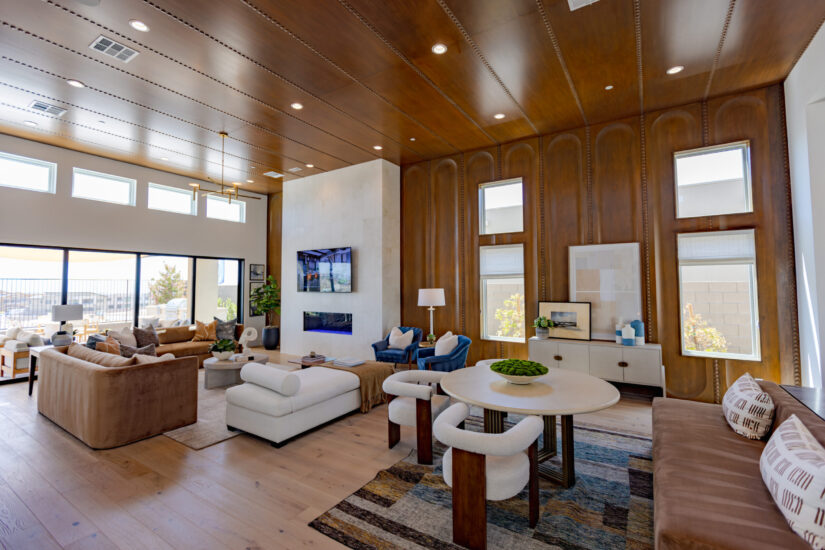
Luxury home technology has always been tied to sophistication, but for 2026, the conversation is shifting. High-end clients aren’t just wanting the latest camera system or the biggest screen – they are looking for experiences that provide a sense of calmness, health benefits and intuitive simplicity. For integrators, this means we need to move beyond simply offering tech demos and champion a new value proposition: emotional ROI.
The question to ask is no longer “What can this system do?” but instead, “How will this make my life better?” This shift requires integrators to change our processes of how we design, present and sell.
Beyond Specs: Why Tech Isn’t Enough in 2026
Until now, luxury buyers have usually related premium living to the latest, cutting-edge products. As homes become smarter and automation has become more mainstream, the attraction of ‘more features’ has worn off. Clients are beginning to ask a new set of questions: Will this make my life easier? Will it reduce stress rather than add complex features? Will it make my home and family feel better?
Clients are looking to achieve effortless living – smart home tech solutions that makes daily life easier. Integrators who focus solely on products risk missing that connection as the differentiator is no longer the device; but the feeling it creates. This is where emotional ROI comes in – a system that delivers simplicity and a sense of well-being is far more compelling than one that simply boasts advanced features and specs.
The Intersection of Integration and Wellness
Image/Acoustic Design Systems
Wellness is no longer a niche interest, but rather a mainstream lifestyle. Homeowners expect environments that better their mental and physical wellbeing, and for integrators, we can utilize that opportunity to align technology with our clients’ wellness goals.
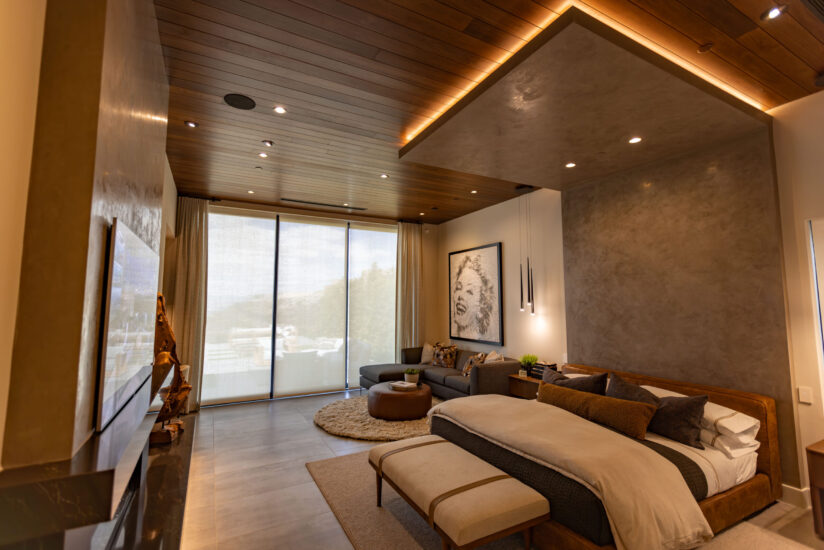
For example, quietness is now recognized as a necessity for mental clarity, not just a luxury feature. Well planned acoustic landscapes and noise controls help elevate comfort and reduce stress. From creating immersive yet balanced audio zones or adding acoustic panels to control sound from room to room, I believe acoustics will matter more than ever in 2026.
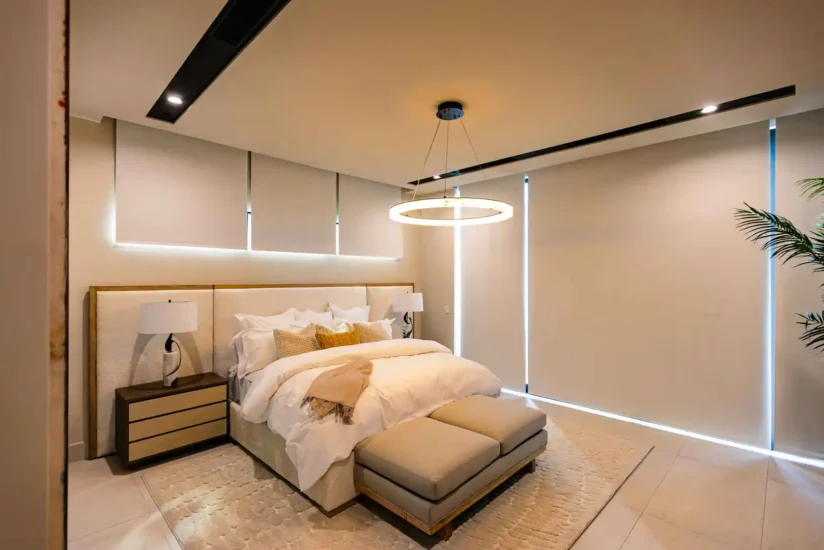
Additionally, circadian lighting that copies the body’s natural rhythms has shown to not only improve sleep, but your mood and productivity as well. Whole-home integrated systems can seamlessly automate these cycles, adjusting color temperature, lighting, shades and intensity throughout the day to match a client’s circadian rhythm.
These wellness elements are not just ‘extras’ anymore, but they are central to a healthier and more simplistic lifestyle. In a crowded market, this is an opportunity where integrators can differentiate themselves.
Driving Design Decisions
Have you had any recent projects where clients have prioritized acoustic treatments over a larger series of speakers? I predict this will be happening more frequently as clients seek the goal of serenity instead of a spectacle. A sanctuary space is taking precedence over a ‘showroom’ look, where conversations can flow and background noises disappear.
We have had multiple homeowners invest in tech that provides circadian lighting scenes that adjust automatically throughout the day to establish a sense of balance and energy. This type of smart home tech is invisible, but extremely impactful as it creates a home that feels responsive to your wellness needs.
In both cases, technology wasn’t the focus – enhancing the client’s mental well-being, comfort and day-to-day simplicity was the driver behind their decisions.
Selling the Unseen Benefits
Image/Acoustic Design Systems
As an integrator, how do you position these abstract benefits? I suggest starting by repositioning proposals:
- Lead with lifestyle benefits and discuss how the system and technology helps support calm mornings, restful nights and effortless control instead of the specific tech-focused ‘features’
- Prioritize simplicity and reassurance as clients want to hear that they’ll never have to think about the tech and instead, it will just work intuitively and adapt to their lifestyle
- Demo experiences so they can feel the difference such as a lighting scene that transitions naturally or a room where sound disappears into the background
When talking to prospective clients, carefully consider the language you use. As an example, replacing ‘automation’ with ‘peace of mind’ and ‘control’ with ‘intuitive simplicity’ helps you speak the language of luxury.
Looking Ahead
By 2026, I believe the most successful integrators will treat technology as invisible infrastructure – an enabler, and not a distractor. The future isn’t about more devices; it’s about seamless living where tech disappears and life takes center stage. Buyers have evolved, and they want a home where tech is a silent partner in its’ overall wellness and beauty. Integrators who embrace this shift can lead their market and redefine what premium living means.
Christopher Sterle is CEO and Founder of Las Vegas-based Acoustic Design Systems.