
For years, it’s been said that designers and integrators have different priorities–one focused on beauty, the other on technology–but, in reality, that’s an outdated view that undersells both professions while dampening any potential for collaboration between the two.
Designers don’t just care about creating beautiful spaces; they care about how those spaces live — how clients move through them, how they feel, and how form supports function. Integrators, similarly, aren’t just focused on systems and specs; the best ones design technology solutions that make a home more beautiful, more functional, and more joyful to live in.
At their core, both designers and integrators share the same mission: to create environments that elevate everyday life. Today’s clients expect homes that are not only stunning, but also seamlessly connected, entertaining, and comfortable. That requires a balance of design and technology, thoughtfully woven together.
And while it’s true that sometimes technology should disappear — speakers hidden in ceilings, TVs disguised as mirrors or artwork — there are other moments where technology deserves to be showcased. Iconic speakers, bespoke lighting, or a beautifully crafted turntable can be art pieces in their own right. Recognizing that duality is part of what makes modern collaboration so exciting.
The Myths Ruining Designer-Integrator Collaboration
Here are three common myths that have long been barriers for collaboration between designers and integrators — and how a recent whole-home remodel in Hunt Valley, Maryland, proves why breaking them down leads to stronger results.
Myth #1: “Technology always ruins the design.”
The truth: When approached thoughtfully, technology doesn’t compromise design — it enhances it. By collaborating early, integrators and designers can ensure that every system serves the aesthetic as much as the function. Sometimes that means making technology disappear — with flush-mount or even invisible speakers that hide behind plaster or drywall compound, motorized shades, or Frame or Art TVs. But other times, technology is meant to shine: handcrafted sculptural loudspeakers, lighting fixtures, or custom components that become design statements in their own right.
Both disciplines share a common goal: to deliver spaces that feel intentional, functional, and beautiful. Clients may not care about the technical details, but they absolutely care about the outcome — seamless Wi-Fi, hidden cords, intuitive control, and a look that aligns with the rest of their home. Early collaboration ensures all of this is possible, while also honoring the design vision.
Case in Point — Hunt Valley Whole-Home Remodel
In this project, the client wanted technology seamlessly woven into daily life, particularly mornings, without compromising the warmth of the interiors. The design team envisioned a home that felt inviting and personal, not dominated by gadgets. By collaborating from the outset, we achieved both. Automated lighting became a design tool, not just a convenience — setting a warm, welcoming tone while reinforcing the aesthetic choices. Thoughtful placement and programming allowed light to set a welcoming tone while reinforcing aesthetic choices. Carefully layered scenes highlighted architectural details, illuminated cabinetry and its curated objects, drew attention to the stairway, brought artwork to life, and revealed the beauty of nooks and corners that might otherwise go unnoticed.
Myth #2: “Designers don’t understand performance.”
The truth: Designers absolutely understand performance — but they frame it through experience rather than specs. They consider ambiance, flow, acoustics, and how clients feel in a space. Integrators translate performance into tangible outcomes, ensuring the technology supports those goals. Together, performance becomes part of the design story, not an afterthought.
Case in Point — Hunt Valley Whole-Home Remodel
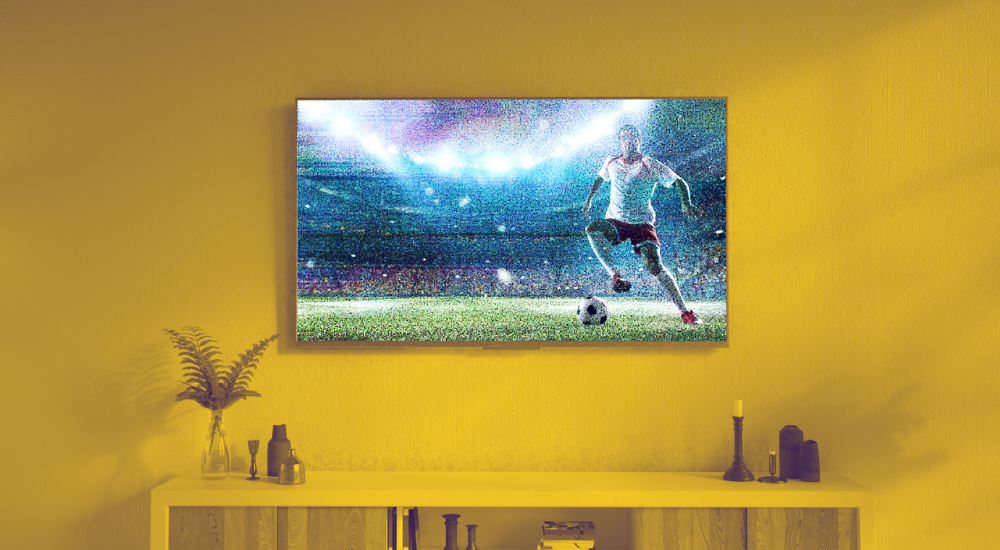
The client loved movies and sports but didn’t want bulky displays to disrupt the aesthetic. The solution: Framed televisions with custom finishes. When off, they showcase artwork and become part of the décor; when on, they deliver high-performance viewing.
Audio followed the same principle. Compact speaker elements paired with concealed subwoofers delivered cinematic sound without dominating the room. Where speakers remained visible, finishes were customized to match the ceiling’s lighting fixtures — blending technology and design so seamlessly that performance and beauty became indistinguishable.
Myth #3: “Integrators just want to sell gear.”
The truth: The best integrators see themselves as long-term partners and problem-solvers. They care about budgets, timelines, and aesthetics just as much as the technology itself. When brought in early, integrators help designers shape projects holistically, ensuring the technology aligns with — and elevates — the design vision.
Case in Point — Hunt Valley Whole-Home Remodel
This project depended equally on design and technology. Centralized lighting control was a perfect example of early collaboration paying off. Instead of walls cluttered with switch banks, the team preserved clean surfaces with streamlined keypad options that blended quietly into the interiors.
Equally important was setting client expectations. By framing technology as a way to enhance warmth and usability — better lighting quality, subtle audio, intuitive control — the client felt empowered rather than overwhelmed. The result was a home where design and technology worked in harmony, delivering both beauty and daily ease.
Bridging the Gap on Designer-Integrator Collaboration
The Hunt Valley remodel underscores a broader truth: the supposed divides between designer and integrator are myths rooted in the past that only stand to get in the way of collaboration. Technology doesn’t ruin design; it can strengthen it. Designers don’t overlook performance; they define it through lived experience. Integrators aren’t just selling gear; they’re building environments clients enjoy every single day.
When both disciplines come to the table early, speak a shared language, and keep client goals at the center, collaboration unlocks transformative results. The future of home design and technology isn’t about compromise — it’s about partnership.
Daniel Carris the Senior Client Manager at Gramophone Design Build. Ashley Frush is a Designer at Gramophone Design Build





