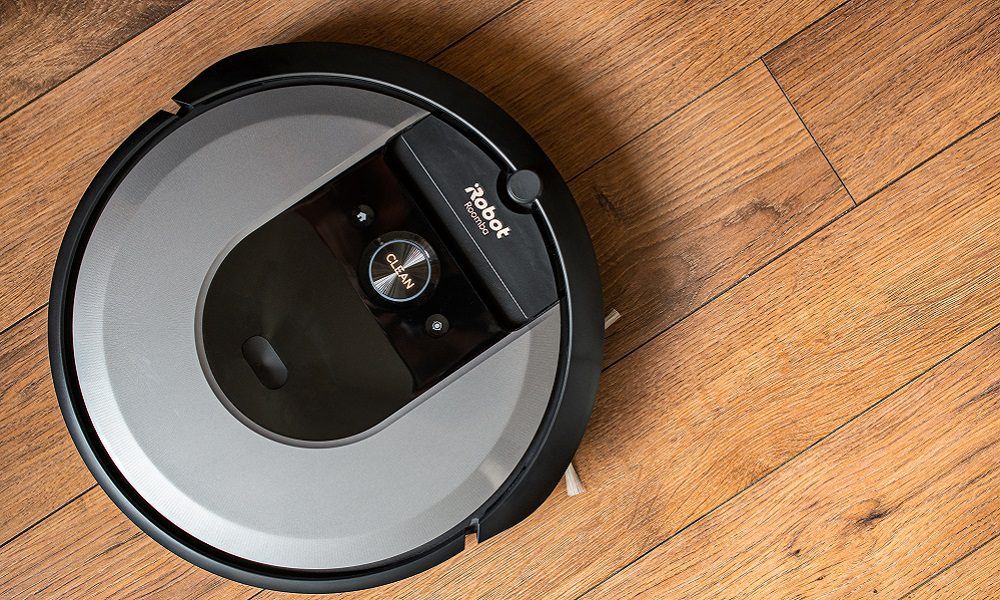
iRobot has officially filed for Chapter 11 bankruptcy. While this doesn’t spell the absolute end for the company, it does mark a significant turn in the history of the company, and one that has the potential to ripple into the smart home segment as well.
The Details of the iRobot Bankruptcy
Alongside the bankruptcy filing, iRobot has entered into a Restructuring Support Agreement (RSA) with its secured lender and primary contract manufacturer, Shenzhen PICEA Robotics Co., Ltd. and Santrum Hong Kong Co., Limited (which will collectively be referred to as Picea for the remainder of the article).
As part of the RSA, iRobot will be made private, taking it off stock exchanges and transferring ownership of the company to Picea.
The goal of the action under the RSA is to help reduce iRobot’s outstanding debt, stabilize its finances, and allow the continued production and support of iRobot products on an international scale.
According to a press release, iRobot has already commenced a pre-packaged chapter 11 process in the District of Delaware, with the company expecting to complete the process by February 2026.
During the chapter 11 process, iRobot will continue its regular operations, with no expected disruptions to business, according to the company.
A Brief History of iRobot
Starting in 1990 with three MIT engineers at the helm, the first Roomba device wouldn’t be released to the public until 2002, and when it did, it effectively created the modern consumer robot vacuum category. Other companies would eventually follow in its footsteps, and now we have brands like Shark/Ninja, Dyson and Samsung having their own (to name a few), but before the Roomba, there had only been either experimental attempts or finished products that fell well outside the average homeowner’s budget at the time.
Three short years later, the company would go public with an IPO that raised $103.2 million. By 2015, the company had enough cash to even launch its own venture arm with the intention of funding other robotics startups to push the age of robotics into a new era.
However, following the collapse of a proposed acquisition of iRobot by Amazon, the company somewhat quickly fell into a steep decline. Supply chain chaos due to COVID caused the company’s revenues to begin declining back in 2021. At that point, Chinese competitors were able to flood the market with cheaper vacuums, devouring market share.
When that Amazon deal fell through in 2024 due to pressure from European regulators, the CEO of iRobot resigned, the company shed 31% of its workforce and things continued to spiral until today, where iRobot has officially declared bankruptcy and is now set to be acquired by its supplier.
iRobot’s Potential Now Meets a Frustrating Reality
When it came out, the Roomba was seen as a futuristic step towards the home of the future. Time magazine in 2004 described it as “toy‑robot‑meets‑household‑appliance.” The Smithsonian even considered it to be a breakthrough in home robotics. And while the way it operated was very simple, the fact that it could be automated and scheduled was enough to delight and amaze homeowners at the time.
Its success also elevated the potential of the professionally installed smart home as well. Back in 2017, the company had actually been exploring sharing its units’ home maps with manufacturers to help improve automations and decision-making at the time. Imagine having that with what’s going on nowadays, where companies are working to develop maps of the home that AI can then leverage for bespoke decision-making and automations.
Now, though, it’s another unfortunate footnote that joins all the other smart home companies (tangentially related or otherwise) to have collapsed, leaving only uncertainty and frustration as homeowners who bought in to these future-forward products as they come to terms with what happens when support for these products gets cut.
To iRobot’s credit, however, support isn’t getting cut. The company says that it fully intends to continue supporting its product line, and even still, Roombas are able to be run without access to cloud servers. However, as one TechCrunch article points out, were that to happen, they’d lose all the automation, scheduling and voice control capabilities that made the device feel so futuristic in the first place.