
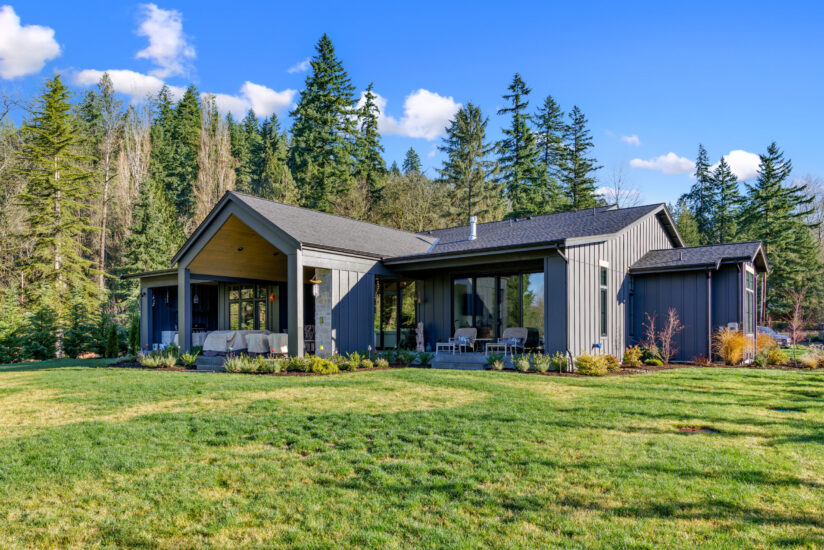
For nearly two decades, Kalyan Basu has worked in Seattle’s tech sector, immersed in automation and artificial intelligence. He understands how technology can streamline daily life, improve efficiency, and, as he puts it, make things “brilliant.” But translating that expertise into a cohesive residential smart home is a different challenge altogether.
When it came time to automate his own home, Basu wasn’t interested in a patchwork of apps or one-off smart devices. He approached the project the same way an integrator would: with clear system-level requirements. His three non-negotiables were interoperability, ease of use, and aesthetics. The goal wasn’t just automation, but an integrated experience that worked reliably and looked intentional.
By centering the home around the Brilliant Smart Home System and working with a professional integrator, Basu turned his residence into a real-world example of how thoughtful system design can elevate both convenience and security.
Interoperability Drives the Smart Home Experience
Image/Brilliant
One of the most common pain points homeowners face is managing multiple systems across multiple apps. For Basu, eliminating that friction was a top priority.
“Interoperability with our numerous smart devices and systems,” he says, was his number-one requirement.
His home includes a Ring ecosystem for security and video, Genie garage door openers, and Amazon Alexa for voice control and televisions. Without a unifying platform, day-to-day operation would have required constant app switching.
Integrator Adam Bresson of SwitchOn Pro identified Brilliant as the control layer that could bring those systems together. Rather than forcing the homeowner to adapt to the technology, Brilliant provided a single, intuitive interface that aligned with Basu’s existing device preferences. Lighting, security, garage access, and automation scenes now converge on one platform, simplifying operation for the entire household.
Integrated Security Improves Daily Usability
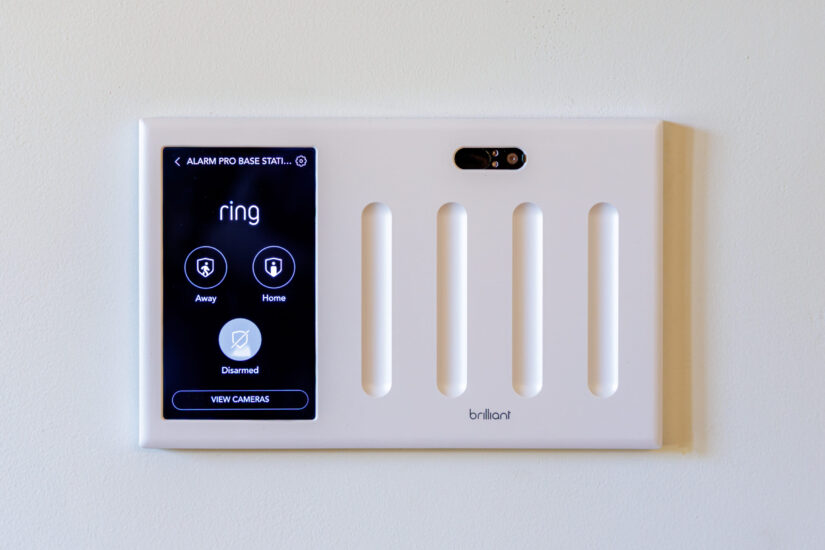
Security was a major driver for the project, and Basu’s experience highlights the value of deep system integration. While his home uses Ring Alarm, he found that interacting with the system through Brilliant’s in-wall panels was more intuitive than relying on the native Ring app.
“I actually find it easier to do through Brilliant rather than directly through Ring,” Basu says, noting that the panel is always visible and accessible.
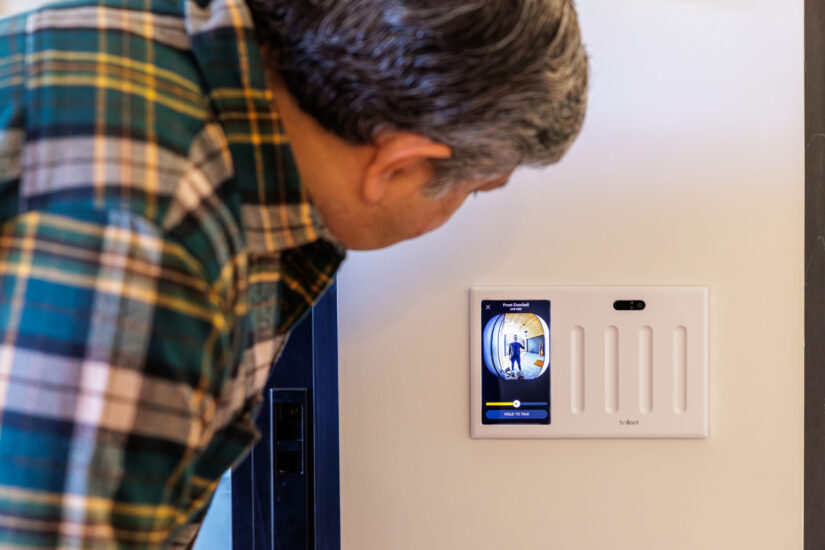
By bringing alarm arming, camera views, gate access, and doorbell monitoring into the same interface used for lighting and automation, security became part of the home’s daily workflow rather than a separate silo. For integrators, it’s a clear example of how centralized control improves adoption and ongoing use.
Designing for the Whole Household
A smart home only succeeds if everyone can use it. In Basu’s home, accessibility was just as important as capability.
His wife primarily uses the system for access control. When alerts indicate someone is at the gate or front door, she can quickly view the camera feed on the Brilliant panel and grant access without pulling out a phone.
Because control lives on the wall rather than behind individual smartphones, the system remains intuitive and shared. For integrators, this reinforces a key lesson: visible, physical interfaces often outperform app-only control when it comes to household adoption.
Lighting Control That Goes Beyond Smart Bulbs
Image/Brilliant
Rather than relying on smart bulbs, Basu opted for a system-level lighting approach.
“I actually like Brilliant more… particularly for the deep integration into the lighting system, the electrical wiring of the house,” he explains.
By controlling lighting at the switch level, the system manages electrical loads directly, enabling more reliable automation and scene control. His setup includes automated schedules, motion-based lighting, exterior landscape scenes, and vacation modes that simulate occupancy when the family is away.
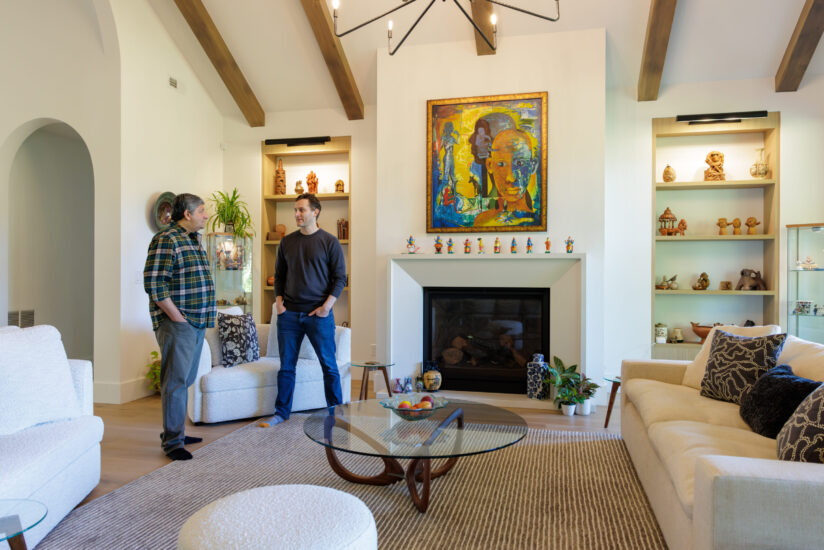
Beyond functionality, the panels themselves contribute to the home’s design. Basu notes that guests frequently ask about them, giving him an opportunity to demonstrate how easily the home operates.
The Value of Professional System Design
Image/Brilliant
Although Basu has deep technical expertise, he credits the success of the project to professional integration. Bresson didn’t simply install devices; he designed the system architecture, ensuring that Brilliant, Ring, Genie, and lighting loads worked together seamlessly.
“He really architected the integration in his mind and implemented it seamlessly,” Basu says. “I owe a great debt of gratitude to Adam.”
For homes with multiple subsystems, varied lighting loads, and layered security requirements, Basu’s experience underscores a familiar industry truth: professional integration is often the difference between a functional system and one that truly delivers.
Remote Access Extends the System’s Value
Like many homeowners, Basu travels frequently. Remote visibility and control are essential.
Using the Brilliant mobile app, he can view cameras, confirm lighting schedules, and check security status from anywhere, mirroring the experience of the in-wall panels. The consistent interface reinforces the idea that a smart home platform should feel the same whether accessed locally or remotely.
Planning for Future Expansion
Basu’s system was designed with expansion in mind. Planned additions include Ecobee thermostats for climate control and Sonos speakers for distributed audio, all of which will integrate into the existing Brilliant ecosystem.
The takeaway for integrators is clear: a smart home is not a finished product, but a platform. When interoperability is prioritized from the start, future upgrades enhance the system rather than complicate it.
Basu’s project illustrates the shift from standalone smart devices to lifestyle-focused system design. By prioritizing usability, aesthetics, and integration, his home supports how his family actually lives.
Whether it’s arming the security system, adjusting lighting, or opening the gate with a single tap, the technology fades into the background.
“I just think Brilliant offers the best integrated and most aesthetically satisfying experience,” Basu says.





