Extend HDMI, Stereo and Control Signals 300 Feet Over One Thin Fiber

At EHX Spring, Neothings will demonstrate a long-distance HDMI (with HDCP) and audio solution based on fiber optic technology from OWLink.

image
By Julie Jacobson
March 09, 2009
Neothings is introducing at EHX Spring 2009 a fiber-optic solution that lets dealers deliver high-def video, stereo audio and control throughout a home – all over a single thin optical wire – over distances of at least 300 feet.

The new solution, called LightSpider, could potentially eliminate the need to run multiple Cat 5 cables throughout the house (required with most HDMI extenders), as well as clunky signal amplifiers and a host of other annoying signal-enhancement devices.

LightSpider is a bridge that includes HDMI, RS-232 and analog audio inputs/outputs, "but over time we will create comprehensive solutions for all audio, video, data and control signal distribution needs in the residential space and beyond," says Neothings CEO Bill Paul.

Technology Driven by OWLink


LightSpider relies on the Digital Light Interface (DLI) technology from OWLink Technology. DLI uses "advanced optical wave division multiplexing (WDM)" to transmit uncompressed A/V and other data.

image

Visit Neothings and sister company NeoPro in booth 546 at the Electronic House Expo (EHX) Spring, March 11-14, 2009, Orlando, Fla. There will also be demonstrations of future DLI products from other partners
Plenty of fiber-optic solutions exist today, but Neothings selected OWLink because Paul found it to be the most comprehensive.

"Over a single fiber, we will be able to do HD video, 100MB Ethernet, RS-232, IR, USB, several additional channels of digital audio, and more," he says. "That's pretty much everything a person would need for each zone in a home."

Paul says that the other fiber solutions he explored require multiple fibers or a parallel Cat 5 cable, and that they do not support all of the signals that OWLink does.

"But the most important feature," he says, "is HDCP over DLI."

Paul explains that OWLink worked directly with Digital Content Protection LLC to include the DLI interface in the HDCP spec.

"And as we have seen in the past," Paul says, "keeping the content owners happy is critical to the success of a video/media interface."

Do A/V Installers Even Want a Fiber Solution?


Have home systems integrators been asking for something like this?

Well, not in so many words.

There is obvious demand for whole-house digital audio and HD video, "but currently most of the pros I talk to can't get that done reliably and are looking for solid solutions to the problem," says Paul. "Based on that general request, we can see that this fiber technology is the best solution for the problem."

image

Paul says his company has been working with OWLink for over a year and have "helped them in identifying the market needs and strategy of deploying DLI into the custom residential space."

He adds, "This is the kind of thing that if you wait for market demand, you're late."

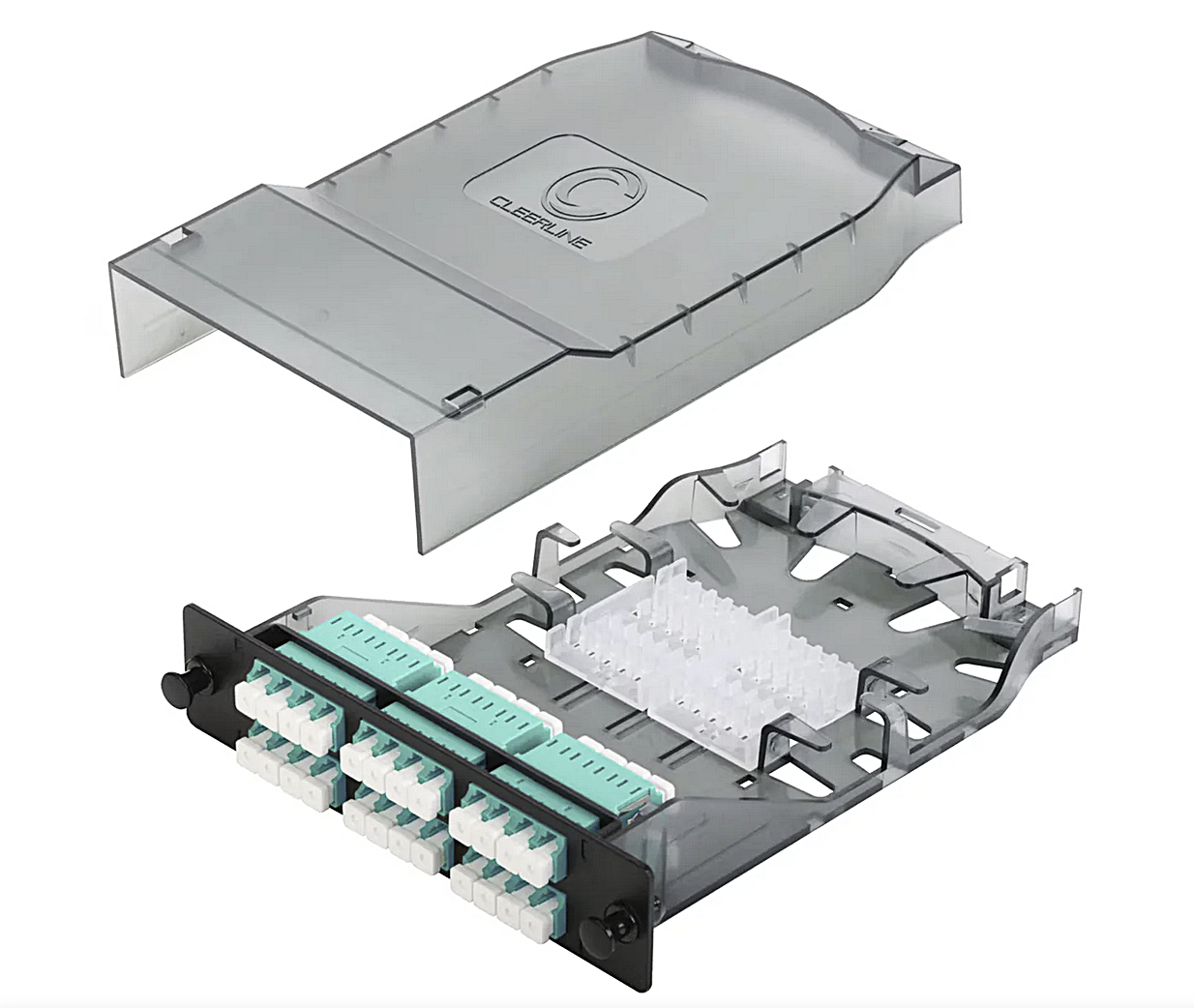
Isn't Terminating Fiber a Big Fat Pain?


Let's be honest, installers hate to terminate fiber. They've already mastered Cat 5 termination, which is considerably more tolerant of minor slip-ups.

The best that Paul could muster to this question is: "It's no too difficult really."

There are field termination kits on the market that use epoxy or hot melt glue, and "with a little practice a good tech can terminate a fiber in 10 to 15 minutes," he says.

Currently, Neothings is using multimode fiber, "which is the easiest type to terminate," Paul says.

Plus, while a nicely terminated fiber can take LightSpider to distances of over 300 feet, the typical home probably won't require that type of range. With shorter distances, Paul says, "We have an excess of power available and can tolerate quite a bit of loss from poorly terminated fibers."

What Does it Cost?


Paul won't share specifics on pricing, but he does offer some comparables.

Whether or not LightSpider is more economical than Cat 5 or HDMI solutions – including installation considerations -- depends on the distance.

LightSpider may not be worth it, for example, if you're taking HDMI a relatively short distance, say, 30 feet.

"But try to take HDMI to 300 feet and you will likely have several boxes, cables, perhaps power needed mid-run, and a more complex installation," Paul says. "For fiber, the cost and complexity is basically the same for 30 feet or 500 feet."

As a bonus, Neothings has sourced a transparent fiber that "looks like fishing line," Paul says. It can be installed outside of the wall, making it an ideal retrofit solution.

Details, he says, will be announced soon.

At EHX, in booth 546, Neothings and sister company NeoPro will demonstrate LightSpider. In addition, other prototype devices based on OWLink's DLI technology will be on display.


Return to full story:
http://www.cepro.com/article/extend_hdmi_stereo_and_control_signals_300_feet_over_one_thin_fiber/