LED Projectors 101
With attractive qualities like energy efficiency and long life spans, LED is entering home theater projection.
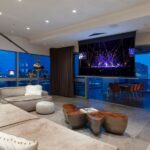
A new wave of LED-based projectors is hitting the market from a number of manufacturers, including high-profile specialty companies Runco (left) and SIM2.
"PhlatLight is applicable to all of these technologies [DLP, LCoS and 3LCD] and with each of them you will see some benefits and drawbacks and different optical architectures," he says.
"For instance, LED DLP projectors do not need color wheels any longer since the LED chipset provides the primary red, green and blue colors required by the system. They can take great advantage of the fact that unlike lamps, each LED primary color can individually be controlled very accurately at the micro second level.
Beyond its performance benefits, environmental impact is another major reason the video industry is examining ways in which LEDs can be implemented. LEDs don't consume a lot of energy, they don't contain any mercury or other harmful substances and LEDs essentially never need replacement.
"LED technology is on the fast lane in terms of improvements in efficiency and lower power consumption so more improvements will be made in the forthcoming years," Bellosguardo says. "This is, by far, the biggest advantage over traditional lamps. Also, it's accepted now in the industry that LEDs can achieve very long lifetimes, and we have to think about lifetimes in products and systems that are well in excess of 50,000 to 60,000 hours compared to 2,000 hours with traditional lamps. As LEDs deliver higher and higher performance levels, an ever-increasing number of applications in both the commercial and residential markets will come to fruition."
"For instance, LED DLP projectors do not need color wheels any longer since the LED chipset provides the primary red, green and blue colors required by the system. They can take great advantage of the fact that unlike lamps, each LED primary color can individually be controlled very accurately at the micro second level.
Related Content
Hands On: SIM2 MICO 50 Projector
"The elimination of the color wheel removes the constraints of having fixed-color segments, and the very fine and accurate control of the LED allows for completely new DLP algorithms. This dramatically enhances the brightness and picture quality of the system. This overall level of sophistication is impossible to match with conventional lamp technology."Hands On: SIM2 MICO 50 Projector
Beyond its performance benefits, environmental impact is another major reason the video industry is examining ways in which LEDs can be implemented. LEDs don't consume a lot of energy, they don't contain any mercury or other harmful substances and LEDs essentially never need replacement.
"LED technology is on the fast lane in terms of improvements in efficiency and lower power consumption so more improvements will be made in the forthcoming years," Bellosguardo says. "This is, by far, the biggest advantage over traditional lamps. Also, it's accepted now in the industry that LEDs can achieve very long lifetimes, and we have to think about lifetimes in products and systems that are well in excess of 50,000 to 60,000 hours compared to 2,000 hours with traditional lamps. As LEDs deliver higher and higher performance levels, an ever-increasing number of applications in both the commercial and residential markets will come to fruition."
Subscribe to the CE Pro Newsletter
Read more Projectors and Screens stories
Super Bowl: The Ultimate Home Theater SystemDid Flat Panels Kill ‘Luxury Video’ Market?
Q&A: Neal Manowitz, Sony, Director of Audio/Video
ProSource Adds SIM2 as New Vendor
SIM2 Plays Key Role in Tom Cruise’s ‘Mission: Impossible - Ghost Protocol’
More in Projectors and Screens
Article Topics
News · Product News · Displays · Projectors and Screens · Projectors · Led ·About the Author

Robert Archer, Senior Editor, CE Pro
Bob is an audio enthusiast who has written about consumer electronics for various publications within Massachusetts before joining the staff of CE Pro in 2000. Bob is THX Level I certified, and he's also taken classes from the Imaging Science Foundation (ISF) and Home Acoustics Alliance (HAA). In addition, he's studied guitar and music theory at Sarrin Music Studios in Wakefield, Mass.


Post a comment